

Understanding Deriv Bot for Automated Trading
🤖 Explore Deriv Bot on the Deriv platform—learn how to automate your trades, set up effectively, and manage risks for smarter trading in Kenya.
Edited By
Benjamin Hughes
Creating a bot might sound like a complicated task, but if you break it down, it becomes quite manageable. Whether you're a fintech professional looking to automate customer queries or a trader wanting to monitor stock prices automatically, a bot can save time and reduce manual effort.
Bots are software programmes designed to perform tasks automatically. These can range from simple chatbots that reply to customer questions to more sophisticated automation bots that handle data analysis or trading operations.
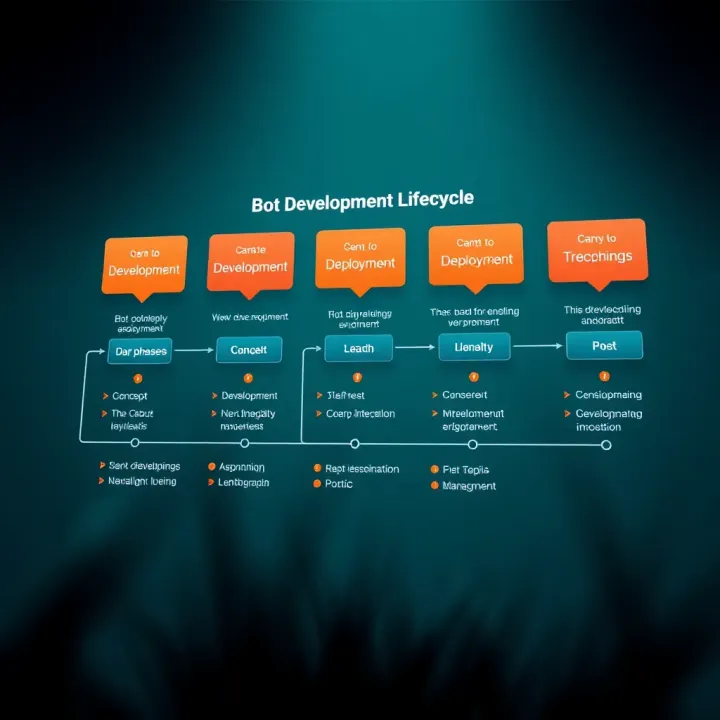
In Kenya, many businesses and individuals are already benefiting from bots in day-to-day operations. For instance, some local banks use chatbots integrated with M-Pesa to assist customers with transactions without waiting in queues. Similarly, small-scale traders use Telegram or WhatsApp bots to keep stock records and push price updates to customers.
Understanding what kind of bot you want to build is the first step. Ask yourself:
What task should the bot accomplish?
Which platforms must it work on (mobile, website, social media)?
How complex should the bot be—simple scripted responses or AI-powered conversational?
Once you have a clear goal, you can choose the right approach and tools. For starters, many free or low-cost tools like Microsoft Bot Framework, Google's Dialogflow, or open-source alternatives can handle basic chatbot functions without heavy coding. For more advanced needs like trading bots, you might need programming skills in languages like Python or JavaScript.
Building a useful bot is not just about programming—it requires understanding your users, clear objectives, and ongoing maintenance to adapt to changing needs.
In this guide, we will walk through each stage, from defining your bot’s purpose, selecting appropriate tools, designing its flow and functions, all the way to deployment and upkeep. Practical examples from Kenyan businesses and tech innovators will make the concepts clear and relevant.
By the end of this article, you will have a solid roadmap to create a bot that works well for your specific needs, whether for financial analysis, customer service, or automating everyday tasks.
Before building a bot, understanding what a bot is and how it can be useful is key. Bots automate tasks, interact with users, and save time, making daily business operations more efficient. Knowing different types of bots and their potential in Kenya can help you choose the right one for your needs, whether to handle customer questions, speed up data handling, or engage users on social media.
Chatbots are programmes that simulate conversations with users. For Kenyan businesses, they work well on platforms like WhatsApp or websites to provide quick answers to common questions. For example, a mobile network provider might use a chatbot to assist customers with data bundles, avoiding long queues and saving airtime for both sides. This convenience improves customer satisfaction and reduces the burden on call centres.
Automation bots handle repetitive jobs like data entry, invoice processing, or report generation. Kenyan SMEs often deal with a lot of paperwork manually, which slows operations and invites errors. Automating such tasks with a bot can reduce these risks and free up staff to focus on higher-value activities. For instance, a small retailer could use a bot to automatically update stock levels after each sale, ensuring records are accurate and up to date.
Social media bots engage with users by posting content, replying to comments, or gathering trends. In Kenya, these bots can support political campaigns, brand engagement, or even monitor public opinion. However, it’s important they are used responsibly as misuse can cause misinformation or spam. When properly deployed, they help brands stay connected and responsive on platforms like Twitter and Facebook.
WhatsApp is widespread in Kenya and combining it with M-Pesa payments makes bots very handy for businesses. For example, a bot can answer customer questions, take orders, and even receive payments all inside WhatsApp. A local restaurant might use this setup to confirm bookings and collect deposits without extra staff, cutting costs and improving turnaround time.
Bots can streamline how organisations manage appointments and send reminders. Many Kenyan clinics, schools, and offices use bots to confirm bookings and send SMS reminders to reduce no-shows. This is particularly useful where phone calls are inefficient or unreliable. The bot handles routine communications, allowing staff to concentrate on tasks that require a personal touch.
In the fast-growing e-commerce sector, bots help provide real-time support. Jumia Kenya, for instance, uses bots to guide shoppers, track deliveries, and answer product queries. This enhances customer experience by making information available instantly and lowers the workload on human customer service agents. For sellers, bots automate order confirmation and inventory updates, making the whole process faster and more reliable.
Understanding bot types and their common uses in Kenyan contexts helps you design solutions that fit your audience and business environment. A well-chosen bot improves operational efficiency, cuts costs, and boosts customer engagement.
Planning is the bedrock of creating a functional bot. Without clear objectives, your bot risks becoming a confusing or ineffective tool that wastes time and resources. Setting precise goals helps you avoid building features that users don't need and instead focus on practical solutions that truly add value.
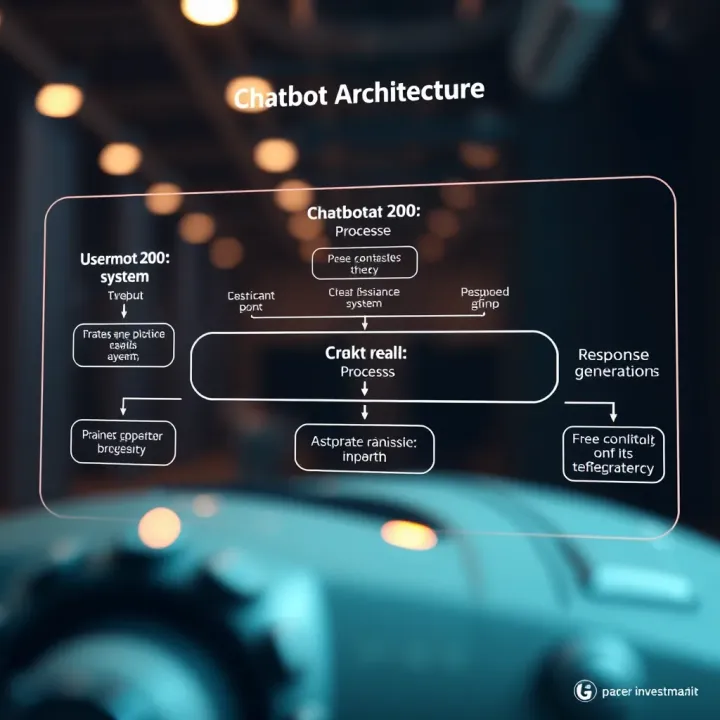
Understanding the exact problem your bot will address is a vital first step. This means diving into the specific needs of your target community. For example, in Kenya, many small businesses struggle with managing customer queries during peak hours. A chatbot that automates responses over WhatsApp or Facebook Messenger can relieve this pressure, giving staff time to focus on core tasks.
Careful analysis of user behaviour and expectations prevents the bot from being a one-size-fits-all solution, which often fails in real-life applications. Instead, identify pain points clearly. Maybe users want follow-up reminders about payments or need answers in Kiswahili and English, not just one language.
Defining the scope and limitations of the bot is equally important. Deciding what your bot will and will not do keeps the project manageable. For instance, a bot made to handle appointment scheduling shouldn’t try to process payments unless you are prepared to manage those complexities.
A well-defined scope keeps your development realistic and prevents the bot from becoming an overloaded system that’s hard to maintain. Especially for SMEs or fintech startups in Kenya, focusing on core functionalities maximises the bot’s impact without unnecessary costs.
Figuring out how users will interact with your bot—through text, voice, or buttons—is a key decision. In Kenya, text-based chatbots dominate because many users still prefer typing on WhatsApp or SMS, where data is cheaper and more accessible. However, for services targeting visually impaired users or those who prefer hands-free operation, voice commands could be a powerful feature.
Buttons and quick replies simplify user experience by guiding users through options instead of relying on them to type full sentences. For example, a mobile money bot integrated with Safaricom's M-Pesa might use buttons to let users choose transaction types, making the process smoother and less prone to errors.
Language is a major factor in ensuring your bot reaches the widest audience. In Kenya, supporting Kiswahili alongside English is essential because many people are more comfortable expressing themselves in Kiswahili or using a mix of both. A bot that understands simple Kiswahili phrases can significantly improve user engagement and satisfaction.
Finally, integration with popular platforms like M-Pesa and social media channels is non-negotiable for bots in the Kenyan market. For instance, a bot that helps users check balances or pay bills directly through M-Pesa offers undeniable convenience. Social media integrations extend your bot’s reach where your customers already spend time.
Planning your bot with clear objectives and practical features tailored to local contexts can turn it from just an idea into a useful, adoptable tool that meets real user needs.
By concentrating on these elements, you’ll build a solid foundation for your bot—one that effectively serves its purpose and fits seamlessly into Kenya’s tech ecosystem.
Choosing the right tools and technologies is key to building a bot that works well and meets your needs. The options you pick will affect how fast you develop, how well the bot performs, and how easy it is to update later. For Kenyan fintech professionals and traders, selecting technologies that integrate smoothly with popular platforms like M-Pesa or WhatsApp is especially important.
Python is popular for building bots because it has strong libraries like ChatterBot and Rasa which simplify natural language processing and machine learning. For example, Rasa allows you to design conversational bots that understand user context, helpful in customer service bots used by banks or insurance firms. Python’s readability makes it easier to maintain code, even if your team is small or still learning.
If you prefer JavaScript, Node.js offers excellent tools and frameworks for chatbots, such as Botpress and Microsoft Bot Framework. Node.js runs on the server side and can handle multiple user interactions quickly, making it suited for busy fintech platforms needing real-time responses. This environment works well if your team has web development experience, as you can reuse some code or components.
For professionals without much coding background or who want fast deployment, no-code or low-code platforms offer drag-and-drop interfaces to build bots. Solutions like ManyChat or Chatfuel connect to Facebook Messenger or WhatsApp easily. This option suits SMEs or traders who want quick automation without investing heavily in software development.
Cloud providers like Microsoft Azure, Amazon Web Services (AWS), and Google Cloud are accessible from Kenya and offer reliable hosting for your bot. These platforms allow you to scale resources depending on demand, which is useful for businesses that expect growing user traffic. Cloud hosting also supports integrating APIs for payments or SMS services commonly used in Kenya.
However, internet reliability can vary outside major cities, so local hosting might be considered if consistent connectivity is a concern. Hosting your bot on local servers can reduce delays and improve user experience in areas with patchy internet. That said, it often comes with higher costs and maintenance challenges.
Platforms that support easy integration with popular Kenyan communication channels matter a lot. For instance, WhatsApp Business API, Telegram, or Safaricom's M-Pesa payment service APIs allow your bot to interact seamlessly with users. Choosing a bot platform that connects to these channels means your customers can easily use the bot within familiar apps without extra installations.
Picking the right tools and hosting options is not just technical—it's about meeting user expectations and operating smoothly within Kenya’s digital ecosystem.
Summary: Selecting appropriate languages and frameworks like Python or Node.js brings flexibility and performance, while no-code tools enable fast launches. Hosting choices affect reliability and accessibility depending on internet infrastructure. Integration with Kenyan platforms is essential for bot adoption and success.
Developing a bot is not just about writing code; it's about creating a tool that effectively meets user needs. This process breaks down the task into manageable steps that ensure the bot functions as intended while providing a smooth user experience. Each phase, from design to testing, plays a key role in building a dependable bot tailored to your audience.
Mapping user journeys involves visualising how users will interact with your bot from start to finish. It’s like planning a route for a matatu through Nairobi traffic — you need clear directions to avoid getting stuck. For example, a financial advisory bot could map how a client asks about investment options, checks their portfolio, and then gets payment reminders. This approach helps you anticipate user needs and design interactions that feel natural and straightforward.
Creating clear dialogue paths means designing the conversations so users don’t get lost or frustrated. Each step should guide the user logically to the next, whether they’re asking about loan eligibility or checking stock prices. For instance, a chatbot for a savings group should provide quick options like "Check balance," "Deposit," or "Withdraw" to make interactions smooth. Clear dialogue paths reduce confusion, making your bot more user-friendly.
Including error handling and fallback responses prepares your bot for times when it doesn’t understand the user. Mistakes happen — users might type in slang, misspell words, or ask unexpected questions. Your bot should respond politely and helpfully, perhaps saying, "Sorry, I didn’t catch that. Can you rephrase?" or offering common options. This way, the user stays engaged instead of dropping off.
Implementing input processing and response generation is about teaching your bot to understand what users say and reply appropriately. This involves techniques like natural language processing or simple keyword matching, depending on your bot’s complexity. For example, if a user types "How do I check my M-Pesa balance?", the bot should recognise this and explain the steps clearly. This part is crucial because it determines how well your bot communicates.
Managing data storage and retrieval deals with saving user information securely and fetching it when needed. Whether it’s tracking transactions, saving user preferences, or recording questions asked, proper data handling ensures your bot runs without hiccups. For example, a bot for an investment advisor needs to store user portfolio details to provide accurate advice on demand.
Connecting external services such as payment gateways extends your bot’s capabilities beyond chat. In Kenya, integration with M-Pesa or bank APIs can let users pay bills, transfer funds, or check account balances directly within the bot. This functionality boosts convenience but requires careful setup to handle security and transaction confirmations smoothly.
Using simulated conversations for quality checks helps identify weaknesses before real users interact with your bot. By role-playing various user scenarios — from typical questions to edge cases like typos or slang — you can spot breakdowns in flow or misunderstandings. This testing stage often reveals small but critical issues to fix.
Testing isn't just a checkbox; it's how you ensure your bot feels reliable and helpful to users.
Fixing common issues based on user feedback means listening to how people use your bot once it’s live and making adjustments. Maybe users find a menu confusing or the bot responds slowly during peak times. Addressing these real-world insights helps keep the bot relevant and efficient.
Preparing the bot for public use involves final checks like ensuring stable hosting, confirming data privacy measures, and verifying integrations. You also want to train your team to monitor performance and respond to problems quickly. A well-prepared launch means users get a polished experience, encouraging ongoing trust and engagement.
This step-by-step development process, focused on deliberate design and thorough testing, lays the groundwork for building bots that serve practical purposes effectively — especially important in Kenya’s growing fintech and business ecosystem.
Getting your bot up and running is just part of the picture. Deploying and maintaining the bot ensures it remains reliable and effective over time. This phase covers launching the bot on platforms where users interact most, keeping the bot responsive on Kenyan networks, and updating it based on user feedback and new requirements.
Connecting to messaging apps like WhatsApp and Telegram is essential. These platforms dominate conversations in Kenya—most businesses and individuals use WhatsApp regularly. Deploying your bot here means users can access it without downloading new apps, boosting adoption. For example, integrating with WhatsApp Business API lets traders give real-time stock updates or allow customers to place orders via familiar channels.
Telegram is growing too, especially for community groups and trading discussions. Your bot can serve niche audiences here by delivering timely notifications or market alerts. Both platforms support features like buttons and quick replies, which ease user navigation.
Enabling integration with business tools used in Kenya helps automate workflows. Many companies use platforms like M-Pesa for payments or CRM tools such as Zoho CRM or Salesforce. Ensuring your bot communicates with these tools means it can handle payments, record client data, or schedule follow-ups automatically. For instance, a financial analyst could design a bot to pull client queries from WhatsApp, log them in CRM, and even initiate payment requests through M-Pesa, all without manual effort.
Such integration works best when APIs (application programming interfaces) are available and stable. Using local APIs or services supporting Kenyan systems reduces latency and downtime.
Ensuring smooth performance on mobile networks matters for user experience since many Kenyans access the internet on mobile data. Your bot should be lightweight, avoid heavy media unless necessary, and handle intermittent connectivity gracefully. For example, when a user loses coverage mid-session, the bot could save partial input and continue once the connection returns.
Optimising for 3G and 4G networks common in most regions increases reliability. Also, consider hosting your bot on cloud services with data centres close to East Africa to reduce delays.
Tracking user interactions and bot performance informs you about effectiveness and areas needing improvement. Use analytics to monitor how often people use the bot, the paths they take in conversations, and points of failure or drop-off. This data highlights common questions or bottlenecks. For instance, if users frequently get stuck at payment steps, it signals a need to simplify that flow or fix integration bugs.
Collecting feedback via quick surveys within the bot also helps gather direct user opinions. This continuous insight is vital to keep your bot relevant and useful.
Rolling out updates and new features keeps the bot fresh and aligned with evolving user needs. Technology and user behaviour change fast, so regularly improving your bot's responses, adding languages like Kiswahili, or integrating new payment services will increase engagement. For example, after launch, a bot initially designed to offer only stock prices could evolve to provide customised investment advice or integrate with new platforms like KCB M-Pesa.
Deploying updates should be smooth, causing minimal downtime, especially if your bot supports business critical functions.
Adapting to changing user needs and technology is ongoing. Market trends, regulatory changes, or new communication channels require your bot to be flexible. For instance, if a new social platform becomes popular among Kenyan traders, integrating your bot there early gives you an edge.
Also, keep an eye on security standards, especially when handling sensitive financial data or personal client information. Upgrading your bot to comply with data protection laws like Kenya's Data Protection Act builds trust.
Deploying and maintaining your bot is not a one-off task but a continuous cycle of launch, learn, and improve. This ensures the bot stays aligned with user expectations and technological advancements, making it a reliable tool for business and trade in Kenya.
Through thoughtful platform choices, local integrations, network optimisations, and constant monitoring, your bot can become an invaluable asset in Kenya’s dynamic market environment.
🤖 Explore Deriv Bot on the Deriv platform—learn how to automate your trades, set up effectively, and manage risks for smarter trading in Kenya.

Discover how Deriv bot trading works on the Deriv platform 🤖. Learn setup tips, trading strategies, and risk management techniques for traders in Kenya 🌍.

🤖 Learn how to set up and use Deriv bots for smarter trading. Master risk management, boost performance, and adapt strategies to market changes.

🔑 Learn how to log into Deriv bot hassle-free! Explore security tips, troubleshooting, and smart account management for safer trading in Kenya. 📈
Based on 15 reviews