
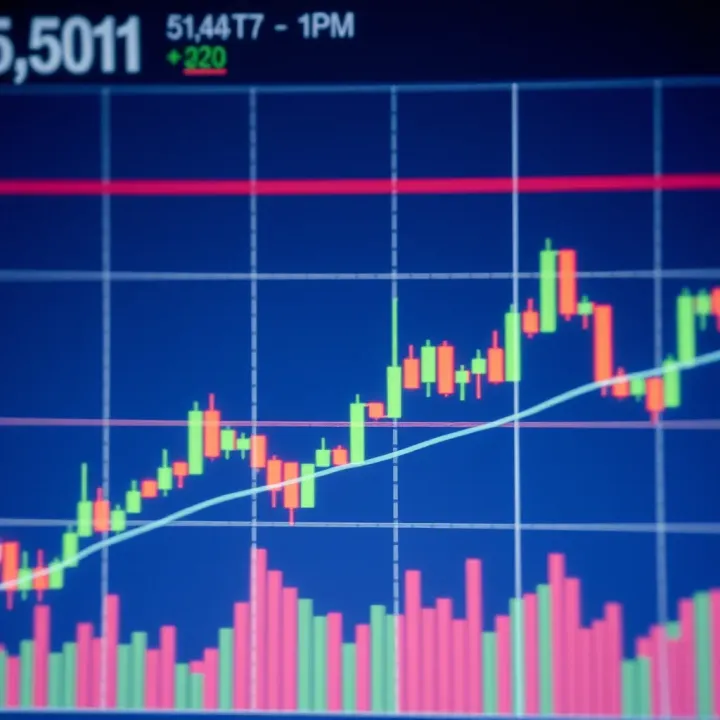
Key Chart Patterns Explained with PDF Guides
📊 Explore 7 key chart patterns in technical analysis tailored for Kenyan traders. Learn to spot and use them effectively with handy PDF guides. 📈
Edited By
Oliver Grant
Forex trading can feel like trying to read tea leaves—just when you think you’ve got a handle on what the market’s saying, it flips the script. That’s where chart patterns come in handy. These patterns act like little signposts in the busy forex market, helping traders predict what might happen next. Understanding them isn’t about some secret code; it’s about recognizing familiar shapes that historically move prices.
This guide breaks down the key chart patterns you’ll encounter, showing how they work and how you can use PDF resources to get a better grip. Whether you’re a trader browsing through MetaTrader 4, or an analyst sorting through candlesticks during a particularly volatile session, grasping these patterns can sharpen your instincts and improve your decision-making.

Getting a good handle on chart patterns turns guesswork into more calculated plays, which is a big deal when money’s on the line.
You can expect straightforward explanations, practical examples from real trading scenarios, and tips on how to use downloadable PDF guides to reinforce your learning. This isn’t just theory—it’s a toolbox meant to make forex trading more understandable and less intimidating, especially in a fast-moving market like Kenya’s forex scene.
Let's unpack these patterns step-by-step and see how they reveal the market’s moods.
Understanding forex chart patterns is a foundational step for anyone serious about trading currencies. These patterns offer visual clues that help traders read the market's mood and direction.
Think about it like reading the clouds before a storm; chart patterns on forex charts are similar signals in price action telling you when the market might turn or continue. By mastering these, traders avoid flying blind and can make smarter decisions.
For example, spotting a head and shoulders pattern—which often signals a trend reversal—can save you from holding onto a losing trade too long. Many newbies jump in based on gut feeling, but experienced traders use these patterns to back their moves with evidence.
Understanding chart patterns is not just theoretical; it’s practical. It improves the odds of entering the market at the right time and exiting before losses pile up. This guide dives into what these patterns are, how they work, and how you can spot them yourself.
Forex chart patterns are specific formations created by the price movements of currency pairs on a chart. These shapes form because of recurring trader behavior—fear, greed, and market psychology influence how prices move in somewhat predictable ways.
A simple example is the double top pattern. After an initial price rise, the price hits a resistance level twice but fails to break it, signalling a potential downward move. Recognizing such patterns early helps traders anticipate what comes next.
These patterns aren't just random squiggles; they're the footprints of collective market actions. Whether it’s triangles, flags, or head and shoulders, each carries its own message about market sentiment.
Chart patterns matter because they give context to price action. Markets don’t move randomly—they follow trends and cycles. By using chart patterns, traders tap into these cycles to predict likely price moves.
For instance, a triangle pattern might suggest price compression before a breakout, alerting traders to a big move ahead. Ignoring chart patterns is like trying to drive through fog without headlights—you’re taking unnecessary risks.
It’s also worth noting that chart patterns help level the playing field. Both small retail traders and large institutions rely on these clues. By learning to read them, you interpret market sentiment like the pros.
Chart patterns act like road signs in the forex market, hinting at potential future moves. When a trader spots a reversal pattern like a double bottom, for example, it signals the downtrend might be fading and a bullish shift could be on the horizon.
This foresight isn’t crystal ball stuff; it’s based on past market behavior repeating itself. Take the rising wedge pattern—a common signal that an uptrend may lose steam. Spotting it allows traders to prepare for a pullback rather than riding the wave down.
Such predictions are never 100% guaranteed, but practicing pattern recognition increases the chance of riding profitable trends or avoiding costly traps.
Knowing when to jump into or get out of a trade often separates winners from losers. Chart patterns help pinpoint these moments with greater precision.
For example, entering a trade just as price breaks out from a rectangle pattern (a sideways trading zone) can catch the start of a new trend. Conversely, recognizing an impending reversal prevents you from holding onto a position that’s about to tank.
A practical tip is combining chart patterns with confirmation tools like volume analysis or RSI indicators. This combo refines entry and exit timing, reducing guesswork.
A smart trader doesn’t just see patterns—they see signals that guide when to act, minimizing risk and maximizing potential profit.
Mastering the basics of forex chart patterns opens the door to much more confident and informed trading. In the next sections, we’ll explore specific pattern types, how to spot them in real time, and ways to practice safely using PDFs and demo accounts.
When trading forex, recognizing the different types of chart patterns is crucial. These patterns act like signposts, showing potential shifts in the market's direction or signalling if a current movement might keep going. Understanding these can give you an edge, helping you decide when to buy or sell more confidently.
There are two main categories of forex chart patterns: reversal and continuation patterns. Reversal patterns hint that a trend might be about to flip — say, from going up to heading down. Continuation patterns suggest the current trend will probably roll on. Both types come with their own set of shapes and signs to look for. Let's break these down for practical use.
The Head and Shoulders pattern is one of the more reliable reversal patterns you'll come across. Imagine a baseline with three peaks: the middle peak is higher (the "head"), flanked by two smaller peaks (the "shoulders"). When this pattern forms at the top of an uptrend, it often signals a bearish reversal — meaning prices might start heading down.
Traders watch closely for the "neckline," which is drawn by connecting the lows between the shoulders. A break below this neckline is generally seen as confirmation that the trend is reversing. This pattern is useful because, when you see it, you can prepare to exit long positions or look for short entries.
Tip: The inverse Head and Shoulders is just as important, appearing at the bottom of downtrends and indicating a possible bullish reversal.
The double top and bottom patterns are another pair of reversal signals easy to spot. A double top looks like two peaks at roughly the same level, suggesting toppling resistance. This hints that the bulls tried twice to push prices higher but failed, often leading to a downward move.
Conversely, a double bottom shows two lows around the same level—it's like the market found a floor twice. This can mean sellers have run out of steam, potentially pushing prices upwards.
Traders often wait for the price to break the "neckline" — a support or resistance level connecting the highs or lows between these peaks — before acting.

Triple tops and bottoms follow the same logic but add an extra test at the same price level. Seeing three failed attempts to break resistance (triple top) or support (triple bottom) strengthens the case for a reversal. These patterns can form more slowly but add a bit more conviction to the signal.
Keep in mind, though, that the more times a level is tested, the weaker it can become. This offers opportunities but also complexities in timing your trade entry.
Triangles are some of the most common continuation patterns. They come in three main types: ascending, descending, and symmetrical. All share a narrowing price range that forms a triangle shape, building tension before a breakout.
Ascending triangles: Flat top resistance with rising lows; usually suggests an upward breakout.
Descending triangles: Flat bottom support with falling highs; tends to break downward.
Symmetrical triangles: Converging trend lines with no clear bias; breakout direction can vary.
Traders often wait for the price to break the triangle's boundary before jumping in, usually setting stop losses just beyond the opposite side of the pattern.
Flags and pennants tend to show short pauses in a strong trend before the market continues in the same direction.
Flags look like small, rectangular sideways channels, usually formed after a big move.
Pennants are small symmetrical triangles appearing after big price swings.
Both patterns are signals that traders should watch closely for breakouts in the direction of the prior trend. They're popular among day traders and scalpers due to their frequent appearance on shorter time frames.
Rectangles happen when price moves sideways between parallel support and resistance lines. Think of it as the market catching its breath before picking a path.
Traders see a breakout above resistance as a bullish sign and a break below support as bearish. The key with rectangles is volume — look for increased activity at breakouts for confirmation.
Mastering these common chart patterns can sharpen your trading strategy substantially. Each has its own behavior and tells a story about what traders and investors are feeling at the moment. By reading these signals correctly, you make decisions with more confidence, reducing surprises in a volatile forex market.
Spotting chart patterns on forex charts is a fundamental skill for traders who want to anticipate price movements rather than react to them. These patterns are like footprints left behind by market participants, giving clues about what might happen next. Mastering this skill can sharpen your trading decisions, helping you to pinpoint optimal entry and exit points with more confidence.
Consider a trader observing a potential head and shoulders pattern forming on the USD/KEP (Kenyan Shilling) pair. Recognizing this pattern early might warn them of an upcoming trend reversal, so they adjust their strategy accordingly. Without this ability, a trader may miss the chance to secure profits or avoid losses.
The first step in spotting chart patterns is learning to identify the key shapes that form on the price chart. Patterns like triangles, flags, or double tops have unique outlines that signal certain market behaviors. For example, a symmetrical triangle shows a period of indecision where buyers and sellers balance each other, often preceding a breakout.
Focus on understanding each pattern's defining characteristics: where the peaks and troughs should be, the angle of trendlines, and the volume behavior during formation. You can practice by tracing over historical charts to spot these shapes without relying on indicators. This hands-on approach can build your pattern recognition skills more effectively.
Timeframes play a crucial role in how clear and reliable chart patterns appear. A pattern on a 5-minute chart may look messy and unreliable, whereas the same formation on a 4-hour or daily chart often holds more weight.
Traders should choose a timeframe that aligns with their trading style—scalpers might focus on shorter intervals, while swing traders may look for patterns in longer timeframes. Additionally, confirming a pattern across multiple timeframes can add validity to your trade setup. For instance, spotting a breakout on a 1-hour chart that aligns with a pattern on the daily chart increases the chance of a successful trade.
Volume can be the secret sauce that confirms the strength of a chart pattern. Generally, a volume increase during the formation of a pattern’s breakout suggests genuine buying or selling interest behind the move.
Take a bullish flag pattern example: if the price breaks out of the flag's resistance line on higher volume than average, it implies strong momentum likely to push the price higher. On the other hand, a breakout on low volume might hint at a false signal, cautioning the trader to be reserved.
Not every price move after a pattern is reliable; confirmation helps filter out misleading signals. Traders often look for a candle closing beyond the breakout level or for volume to spike alongside the breakout.
A classic mistake is jumping into a trade immediately after price touches the pattern boundary. Instead, waiting for confirmation reduces risk. For example, in a head and shoulders pattern, confirmation comes when the price breaks below the neckline with increased volume, signaling a likely reversal.
Properly spotting and confirming chart patterns with volume analysis offers traders an edge. It’s like waiting for the traffic light to turn green instead of assuming it will, giving you a safer passage through the forex markets.
In summary, spotting chart patterns isn’t about luck. It requires a careful eye for shapes, the right timeframe, and supporting evidence from volume to make informed trading decisions. With practice, these skills become second nature and can significantly enhance your forex trading results.
Using PDF guides to learn forex chart patterns brings a handy, tangible edge to mastering these essential trading tools. In forex trading, spotting patterns quickly and correctly can seriously shape your success. PDFs pack everything in one spot — from simple explanations to detailed visuals — letting you study at your own pace, no internet needed once downloaded. This reliability and portability make PDFs a smart choice especially when you want quick refreshers or deep dives during trading hours.
PDFs serve as a neat repository for traders keen on efficient study habits. Imagine having everything laid out clearly in your laptop or phone, ready for you without sifting through pages of articles or YouTube videos. When you find a pattern like the Head and Shoulders or a Flag, you can flip open your PDF, see the pattern’s anatomy, and review the trading signals it sends. Plus, PDFs let you highlight and make notes directly, which is gold for reinforcing your understanding or jotting quick reminders.
Charts are the language of forex, and PDFs naturally excel at combining clear visuals with step-by-step guides. Many reliable PDF guides feature annotated screenshots of live charts or historical examples showcasing pattern formations. These visuals break down complex concepts into bite-sized pieces, showing exactly what a trader should watch for, like the volume spike during a breakout or the precise neckline in a Double Top pattern. Having this visual backup makes the concepts stick better than text alone.
Finding trustworthy PDFs is half the battle. Good places to start include well-known forex education sites like BabyPips, FXStreet, and Investopedia, where many beginner-friendly and expert-level materials are published. Also, brokers such as IG Markets and Saxo Bank often provide downloadable resource packs packed with chart pattern insights. When looking, favor PDFs linked to recognized financial educators or those vetted by the trading community to steer clear of misinformation.
A solid PDF guide isn’t just about info volume — it’s about clarity and practicality. Look for PDFs with:
Updated content reflecting current market behavior
Clear, jargon-free language suitable for your level
Plenty of screenshots or charts with annotations
Step-by-step explanations of patterns and how to trade them
Tips on common pitfalls traders face when interpreting patterns
In short, a good PDF makes it straightforward to apply what you learn without feeling lost or overwhelmed. It’s like having a patient tutor in your corner, guiding you through every twist and turn of forex pattern recognition.
Keep in mind: Not all PDFs are created equal — what works for one trader might not fit another’s style or experience. Try out a few until you find one that clicks for you, and don’t hesitate to supplement with videos or live market analysis broadcasts.
With the right PDF guides by your side, understanding and applying forex chart patterns can shift from confusing to approachable. The convenience and depth of these resources make them a must-have in any serious trader’s toolkit.
Using forex chart patterns in live trading takes the theory beyond textbooks and charts into real-world decisions. This stage tests your ability to read market signals quickly and act based on reliable pattern recognition. For example, identifying a classic head and shoulders pattern forming on the EUR/USD pair during active trading hours could alert you to a potential trend reversal, giving you an edge.
Applying patterns live helps traders time their entry and exit points better. But doing it well requires more than spotting shapes; it means integrating patterns with context and other tools to avoid false signals. This section will explore how to combine chart patterns with additional analysis and how to manage risks effectively in the heat of the market.
Chart patterns alone can give a strong signal, but adding technical indicators firm up your trading decisions. For instance, pairing a triangle chart pattern with the Relative Strength Index (RSI) can help confirm whether the trend is about to break out or fade away. If the RSI shows overbought conditions near the pattern’s resistance line, that suggests caution.
Traders often use moving averages alongside patterns to identify trend direction and momentum. A moving average crossover near a breakout from a flag pattern is a solid entry signal. Combining these tools lets you cross-verify signals, reducing the chances of jumping on false breakouts.
Using multiple tools, like MACD, Bollinger Bands, or Fibonacci retracements, alongside chart patterns paints a fuller picture of the market’s next moves.
Even the best chart pattern setup can fail, so managing risk is crucial in live trading. Setting stop-loss orders right below the support level in a bullish pattern or above resistance in a bearish one shields you from big losses if the market swings unexpectedly.
Position sizing is another key aspect. Don’t wager a large portion of your capital on a single trade just because the chart looks promising. Many experienced traders recommend risking no more than 1-2% of your trading account on any single trade.
Take profit targets should also align with pattern projections. For example, the height of a rectangle pattern can help estimate the potential price move post-breakout, guiding your target points. This prevents greed or fear from distorting your exit strategy.
One common pitfall is seeing patterns where none exist, or misclassifying them. For example, a poorly formed double top might just be normal price fluctuations. Jumping into trades based on these fake patterns often leads to losses.
It's vital to wait for clear confirmation — like a decisive breakout with volume — before entering a trade. Overhasty judgment often comes from eagerness or impatience and can harm your account balance.
Chart patterns don't operate in a vacuum. Ignoring the bigger market picture, such as economic news releases or global events, can make pattern signals misleading. For instance, a bullish flag on GBP/USD might collapse if a surprise interest rate cut happens.
Always consider fundamentals alongside your technical setup. Combining macroeconomic insights with pattern analysis helps avoid blind spots.
To sum it up, live trading with chart patterns works best when patterns are confirmed by other analysis, filtered through solid risk management, and put into the context of broader market forces. Doing so improves your chance of consistent, profitable trades.
Mastering forex chart patterns isn't something that happens overnight. It's more like learning to ride a bike—wobbly at first, then smooth once you get the hang of it. This section lays out practical advice for traders looking to sharpen their skills in recognizing and using patterns effectively. From hands-on practice to reflective journaling, these tips help turn theory into profitable action.
A demo account is your playground. It lets you test out chart patterns without the risk of losing real money. Imagine spotting a classic "double bottom" forming on the USD/KES pair; instead of jumping in blind, you can simulate a buy trade to see what would have happened. This experience teaches you how patterns look in real time and how price might react. It builds your confidence and develops instinct, especially when you combine pattern recognition with entry and exit points.
Backtesting means diving into historical price charts, spotting patterns that showed up weeks or months ago, and seeing how the market responded. For instance, you could review past Euro to US Dollar movements to track head and shoulders patterns and check their accuracy. This exercise helps you understand the success rate of patterns and refine your strategy. It's like studying a replay of a game to spot winning moves and mistakes so you’ll perform better next time.
A journal is more than just pen and paper (or a spreadsheet); it's your trading diary. Every time you trade based on a chart pattern, jot down details: the pair, the pattern identified, entry and exit points, and the outcome. If you took a risk on a pennant formation in GBP/USD, note it. This practice forces discipline, allowing you to track what’s working and what isn’t.
Nothing teaches better than experience, but only if you learn from it. When you review your journal, patterns will emerge—maybe your timing was off, or maybe some patterns worked best in certain market conditions. A trader in Nairobi once found that flag patterns on the JPY/ZAR pair worked like clockwork during volatile sessions but not in calm markets. These insights, gained from honest evaluation, help avoid repeated mistakes and capitalize on successful setups.
Keeping at it with demo trading and journaling turns abstract chart patterns into real trading skills. It separates hopeful guesses from informed decisions.
Practicing like this forms the backbone of becoming a sharp forex trader. It blends theory with actual market behavior, helping to build intuition and a reliable trading routine.
📊 Explore 7 key chart patterns in technical analysis tailored for Kenyan traders. Learn to spot and use them effectively with handy PDF guides. 📈

📈 Master chart patterns: spot, read & apply them in trading decisions. Use PDFs for clear, practical learning. Boost your technical analysis skills today!
📊 Discover how binary forex trading works in Kenya 🇰🇪. Learn key strategies, risks, and regulations to trade confidently in the forex market today!
📈 Discover how bullish candlestick patterns can signal upward price moves in markets. Learn to read these charts effectively for smarter trading decisions in Kenya.
Based on 9 reviews