

Learning Trading: A Guide for Kenyan Investors
📈 Learn how to trade and grow your savings in Kenya. Discover easy market choices, smart platforms, risk tips, and useful tools to start trading wisely today.
Edited By
Hannah Wood
Understanding when global financial markets open and close in Kenyan time is a valuable skill for any investor or trader here. Since Kenya operates on East Africa Time (EAT), knowing how the Asian, European, and American trading sessions align with this zone helps you plan your trades better and avoid missing critical market movements.
For example, the Tokyo session runs roughly from 3 am to 12 pm EAT, the London session spans from 11 am to 8 pm EAT, while the New York session covers 4 pm to 1 am EAT. These windows shape the rhythm of global trading, influencing volatility and liquidity.

Traders often find that the London-New York overlap from 4 pm to 8 pm EAT presents some of the highest market activity, offering opportunities for greater price swings.
Kenyan investors should also spot how these sessions impact the forex, commodities, and equity markets they focus on. For instance, trading US stocks or oil futures is best done during the New York session, while European shares tend to move most during London hours. The Asian market session is crucial for investors tracking Japanese or Chinese markets.
By matching trading activities to these sessions in local time, you avoid the risk of trading when markets are thin or inactive, which can lead to wider spreads or unpredictable price jumps. Setting alarms according to these times can help you seize important trends and news releases promptly, especially when trading volatile instruments.
To sum up, grasping the timing of global trading sessions in Kenyan time lets you trade smarter, not harder. It aligns your trading hours with peak market times, improving your chances of success and managing your risk effectively.
Understanding global trading sessions is key for anyone dealing with financial markets. These sessions show when major stock exchanges and forex markets around the world are open. For Kenyan investors and traders, this knowledge helps in timing their trades to match the most active periods, improving chances for better market entry and exit.
Trading sessions refer to the specific times during the day when financial markets are open for business in different parts of the world. The three main sessions are the Asian, European, and American trading hours. Each session corresponds to major financial hubs like Tokyo, London, and New York respectively. These sessions determine market liquidity and volatility patterns, critical for traders to understand. For instance, the Tokyo session typically runs overnight in Kenyan time, while New York's session overlaps with the latter part of London’s, causing spikes in activity.
Kenyan traders stand to benefit significantly by knowing these session timings in East Africa Time (EAT). Markets behave differently during each session, influenced by local economic news and trader activity. For example, foreign exchange pairs involving the US dollar tend to be most volatile during the New York session. If a Kenyan trader focuses only on NSE (Nairobi Securities Exchange) trading hours but ignores when global sessions are active, they may miss important market moves, especially for forex or international stocks.
Moreover, some trading opportunities arise during session overlaps. Recognising these times can help plan trades when volatility and liquidity peak, making entry and exit positions smoother. On the flip side, sessions like the quiet period in mid-Asian trading hours tend to have lower volume and higher spreads, increasing trading risks.
Knowing the exact global trading session timings in Kenyan time allows investors to align their strategies with market behaviour, avoid sleep disruptions, and better manage risk.
Overall, understanding these sessions provides Kenyan traders with an edge. It allows them to anticipate volatility, access better pricing, and tailor their approach according to the rhythm of international markets. Whether trading forex, commodities, or stocks abroad, this knowledge is a foundation for smarter, more timely decisions.
Understanding global trading sessions in East Africa Time (EAT) helps Kenyan investors align their trading activities with the most active market periods worldwide. Since financial markets operate across different time zones, knowing when key sessions open and close in Kenyan time is vital for timing trades, managing risk, and identifying opportunities.
Tokyo Market Hours run from 3:00 am to 12:00 pm EAT. For Kenyan traders focusing on Japanese equities or forex pairs influenced by the yen, this session is significant because it sets the tone for Asian market sentiment. For example, disruptions in Tokyo trading can affect currency pairs like USD/JPY early in the day.
Sydney Market Hours operate from 1:00 am to 10:00 am EAT. Although smaller than Tokyo, Sydney’s session reflects early activity in the Asia-Pacific region and can influence commodities like gold and coffee, which are traded in AUD. If you follow commodity prices or want early insight before Asian markets open, monitoring Sydney’s session helps.
Hong Kong Market Hours happen between 5:30 am and 12:00 pm EAT. Hong Kong is a crucial financial hub for China and Southeast Asia. Kenyan investors trading Chinese stocks listed in Hong Kong or ETFs related to emerging markets should watch this session closely. It’s also a relevant time to track Chinese economic news impacting market trends.
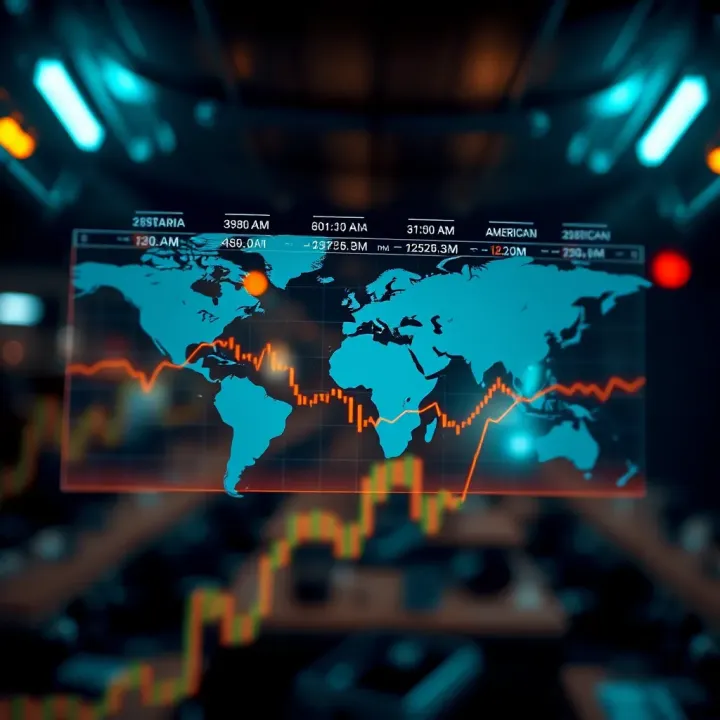
London Market Hours last from 10:00 am to 6:30 pm EAT. London being one of the largest forex and equity markets, its session is essential for Kenyan traders because it overlaps with both Asian and American sessions at times, causing higher liquidity and volatility. For instance, traders might see significant price moves in pairs like GBP/USD during this window.
Frankfurt Market Hours run alongside London’s but close slightly earlier, from 10:00 am to 6:00 pm EAT. Frankfurt represents the heart of the Eurozone market. If you invest in European stocks or currency pairs involving the euro, this session provides important market moves. News from the European Central Bank often impacts Frankfurt trading hours noticeably.
New York Market Hours span from 3:30 pm to 10:00 pm EAT. This session often sees the highest trading volumes globally, especially towards the overlap with London’s market. Kenyan traders focusing on US equities,NYSE-listed companies, or USD currency pairs need to be most alert during these hours. Events like Federal Reserve announcements occur within this time and can cause sharp market swings.
Other US Markets, such as Chicago and Nasdaq, follow similar timings from about 3:30 pm to 10:00 pm EAT. Nasdaq attracts technology-heavy trading, so investors targeting tech stocks should particularly focus on this session. Meanwhile, futures markets in Chicago open earlier but generally align within New York’s broader session, offering insights into commodities and stock index movements relevant for intraday strategies.
Kenyan investors benefit hugely from converting these session timings to East Africa Time. It helps avoid missing trading windows in fast-moving markets and allows structuring trading plans based on periods of higher liquidity or volatility.
By knowing these key global sessions in Kenyan time, you can better schedule your trading or investment activities around the most active and relevant market periods, improving your chances of timely decisions and successful trades.
Trading session overlaps refer to the periods when two major global market sessions operate simultaneously. These hours typically see increased market activity because traders from different regions participate at the same time, boosting liquidity and volatility. Understanding these overlaps helps Kenyan investors spot the best moments to trade, especially for those dealing with forex, stocks, or commodities.
During overlap hours, markets draw more participants since two financial hubs are open. This higher activity translates to tighter spreads, better price discovery, and larger transaction volumes. For Kenyan traders, these periods offer an opportunity to enter or exit positions with less slippage and faster execution. The increased competition among buyers and sellers often leads to sharper price moves, which experienced traders can use to their advantage.
Volatility tends to spike during overlaps because information flow is at its peak. News releases, economic data, and corporate announcements often coincide with these times, driving swift market reactions. Kenyan traders may notice sharp price swings and sudden breakouts, especially in currency pairs like USD/KES, EUR/USD, or GBP/USD. It’s common for volatility to calm down after the overlap ends, so planning trades around these windows can enhance profit potential while managing risk.
This overlap is the most significant for global markets and runs roughly from 4 pm to 7 pm Kenyan time. It connects the European and American trading hours, meaning the London and New York markets are both active. For Kenyan investors, this period is a hotspot for volatility and volume, particularly in forex and blue-chip stocks. Many companies release quarterly results or economic indicators during this overlap, so it’s a prime time for trading strategies that thrive on fast-moving markets.
Since Kenya operates seven hours ahead of New York (Eastern Standard Time) during standard time, understanding this overlap helps investors avoid trading during quiet periods or being caught off guard by sudden moves. The London-New York session is especially crucial when trading currency pairs involving the US dollar or the British pound.
This overlap takes place early in the Kenyan morning, between approximately 10 am and 11 am East Africa Time (EAT). It links the Asian trading session, centred around Tokyo, with the start of the European session in London. Although shorter and less liquid than the London-New York overlap, this window offers unique trading opportunities.
For Kenyan traders dealing in JPY pairs or commodities influenced by Asian markets, this overlap brings fresh momentum and directional cues just as the European markets start to wake up. It’s also a period when news from Asia gets priced in, sometimes triggering breakouts or trend reversals that can be capitalised on before the full European market kicks in.
Knowing these overlaps allows Kenyan traders to time their activities more efficiently, maximise market opportunities, and reduce exposure during quieter periods. Incorporating session overlap insights can meaningfully improve trade timing and risk management.
Understanding global trading sessions in Kenyan time helps investors make smarter moves at the right moments. This section covers practical advice for Kenyan traders to tailor strategies, manage their time and rest, and use technology effectively.
Trading sessions differ in market activity and volatility, so matching your strategies with these times can boost results. For instance, the London-New York overlap (4 pm to 7 pm EAT) usually brings high liquidity and price swings, ideal for day traders looking to capitalise on volatility. Conversely, if you prefer less noise, the quieter Sydney session early morning (1 am to 10 am EAT) might suit long-term investors focusing on slow, steady moves.
Kenyan traders dealing in Forex or international stocks should note that certain assets perform better during specific sessions. For example, the Japanese yen tends to move actively during Tokyo session hours (2 am to 11 am EAT). So, plan trades accordingly by checking session-specific trends and adjusting stop-loss and take-profit levels to reflect typical volatility.
Trading global sessions means some active hours fall late at night or early morning in Kenya. Managing this schedule is crucial. Instead of struggling to trade 24/7, focus on sessions that align more naturally with your daily routine. For instance, the European session (10 am to 7 pm EAT) fits well within standard Kenyan business hours.
If you must trade during odd hours like the Asian or American sessions, take power naps before starting and avoid burnout by limiting screen time. Some traders use partial automation or trading alerts to avoid constant monitoring. Remember, rest is as vital as market knowledge for maintaining sharp decision-making.
Tracking session timings manually is tricky with changing daylight savings in Europe and the US. Using tools like world clock apps adjusted to East Africa Time (EAT) keeps you updated instantly. Many trading platforms, including MetaTrader and TradingView, display session times based on your local time zone once configured.
Besides clocks, set price alerts for key market open and close times to notify you when volatility may spike. Calendar apps synced with global market holidays can prevent surprises from session closures. With these tools, Kenyan traders get better timing control without sweating over time-zone maths.
Knowing session times is only half the battle; how you adjust your trading approach and daily life around them makes all the difference.
By combining strategic timing, smart rest, and technology use, Kenyan investors can navigate global markets confidently and efficiently.
Understanding the trading hours of both local and international markets helps Kenyan investors make informed decisions on when to buy, sell, or monitor assets. Trading times impact market liquidity, volatility, and the effectiveness of different strategies. For example, recognising when global markets open and close in East Africa Time (EAT) can help you avoid trading during low-activity hours or capitalise on high volatility periods.
The Nairobi Securities Exchange (NSE) operates from 9:30 am to 3:00 pm EAT, Monday to Friday, excluding public holidays. These fixed hours suit local investors keen to trade Kenyan equities, government bonds, and derivatives. Since activity is confined to daytime hours, it’s important to plan trades within this window to avoid missing opportunities. Many NSE-listed companies release news and earnings within these hours, influencing stock prices directly during the session.
Although the NSE works within local hours, global trading sessions impact it indirectly. For instance, when the London or New York markets are active during the NSE session, regional stocks linked to international commodities—like Kenyan exporters of coffee or tea—may see increased price movements. Moreover, global economic news released during European or American sessions can lead to pre-market positioning or after-hours orders on the NSE. Thus, staying aware of major global events during these sessions sharpens your timing for NSE trades.
Kenyan investors increasingly access forex and international stocks through online platforms that operate 24/7 or nearly so. Forex trading aligns with global market hours, starting with the Sydney session in the evening Kenyan time and continuing through Tokyo, London, and New York. Understanding these overlaps helps traders decide when currency pairs show the most movement.
International stock markets like the NYSE or London Stock Exchange require kenyan traders to adjust for the time difference, often trading late evening or early morning local time. Tools like M-Pesa and mobile banking solutions make it easier to fund accounts for these platforms, but it’s crucial to factor in settlement times and trading calendar differences.
Knowing local and international market hours equips Kenyan traders with a clear edge. It helps in timing trades better, managing risks, and seizing opportunities across different asset classes without unnecessary guesswork.
In summary, syncing your trading strategy with both NSE hours and global trading sessions opens a broader range of options and helps you respond to price action as it happens worldwide.
📈 Learn how to trade and grow your savings in Kenya. Discover easy market choices, smart platforms, risk tips, and useful tools to start trading wisely today.
📈 Learn forex trading basics for Kenyan investors: how to trade currencies, use M-Pesa, spot risks, and follow local regulations for smart investing. 💱
Explore CFD trading in Kenya 🇰🇪 with this practical guide: learn how it works, key strategies, market access, risks, and tips to trade smarter 📈.
📈 Learn how to track the Asian trading session in Kenyan time, understand its market hours & gain tips to trade smart during this key financial window.
Based on 12 reviews