

CFD Trading Guide for Kenyan Investors
Explore CFD trading in Kenya 🇰🇪 with this practical guide: learn how it works, key strategies, market access, risks, and tips to trade smarter 📈.
Edited By
Amelia Foster
Trading provides a practical way to grow your savings without waiting for long-term investments to mature. In Kenya, many are turning to trading as an alternative to traditional saving methods, thanks to easier access to markets through platforms and mobile money systems like M-Pesa. However, starting without a clear understanding can quickly lead to losses.
You need to grasp basic trading concepts first. These include knowing the difference between stocks, forex, and commodities, and understanding how price movements happen. For instance, when trading forex, you are essentially exchanging one currency for another, such as the Kenyan shilling against the US dollar. Stock trading involves buying shares in companies listed on markets like the Nairobi Securities Exchange (NSE).

Choosing the right market depends on your goals, risk appetite, and available funds. Forex markets offer high liquidity but can be quite volatile. NSE stocks may seem more stable but require more research. Beginners often find forex trading accessible due to 24-hour market availability and smaller minimum deposits on certain platforms.
Selecting a dependable trading platform is key. Platforms like Safaricom’s M-Pesa integrated services, and brokerages approved by the Capital Markets Authority (CMA) ensure your funds and trades are secure. Look for platforms with transparent fees, easy deposits and withdrawals using M-Pesa or bank transfers, and user-friendly interfaces.
Understanding risk management will protect your capital. Setting stop-loss orders, starting with small trade sizes, and avoiding over-leverage reduces chances of heavy losses. Remember, no trading strategy guarantees profits, so always expect some losses and plan accordingly.
Successful trading is less about chasing quick money and more about steady learning, discipline, and consistent risk control.
To support your trading journey, take advantage of tools like demo accounts to practice without real money, and follow reliable financial news sources in Kenya to stay updated on events affecting markets.
Starting with clear basics, informed market selection, reliable platforms, and proper risk management puts you on the right track to trade sensibly and build your financial portfolio over time.
Understanding trading basics is the foundation for anyone keen on entering Kenya's trading world. Without this knowledge, you risk making uninformed decisions that could lead to losses. Grasping how trading operates, the jargon involved, and the types of assets you can trade helps you approach the market confidently.
Trading means buying and selling assets frequently to profit from short-term price changes. This differs from investing, where the focus is on holding assets over longer periods for growth or income. For example, trading NSE stocks like Safaricom or equity in companies listed there can happen daily, while investing might see you hold those shares for years to benefit from dividends and capital appreciation.
The practical relevance lies in your goals: if you want quick returns using daily price moves, trading suits you. But if you prefer to build wealth gradually, investment is better. It pays to know this distinction because your strategy, time commitment, and risk tolerance will vary.
Kenyan traders often engage with different assets:
Stocks: Shares traded on Nairobi Securities Exchange (NSE) or regional exchanges.
Forex: Trading currency pairs like USD/KES or EUR/USD, accessible through local forex brokers.
Commodities: Gold and oil trading, sometimes via derivatives or ETFs.
Cryptocurrencies: Bitcoin and other digital coins, which have growing popularity but come with regulatory considerations.
Knowing the asset classes helps you choose markets that match your interest and risk appetite.
Understanding some basic terms will smooth your trading journey:
Bid, ask, spread: The bid is the highest price a buyer offers, while the ask is the lowest price a seller accepts. The spread is the difference. For example, if the Safaricom share bid is KSh 35 and the ask is KSh 35.50, the 50-cent difference is the spread—your trading cost.
Leverage and margin: Leverage allows you to control larger positions than your cash would normally permit by borrowing funds. Margin is the actual money you put down as collateral. While leverage can boost profits, it also magnifies losses. For instance, a leverage of 10:1 means with KSh 10,000, you control KSh 100,000 in the market. If the trade moves against you, you could lose more than the margin.
Order types: market, limit, stop: A market order executes instantly at current prices, useful for quick trades. A limit order sets a price ceiling or floor at which you want to buy or sell, offering control but no guarantee of execution. Stop orders help limit losses or protect profits by triggering trades when prices hit a certain point.
Volatility and liquidity: Volatility refers to how much prices swing. High volatility means prices move sharply and quickly, which can offer trading opportunities but also risk. Liquidity is how easily you can buy or sell an asset without affecting its price. NSE stocks like KCB generally have good liquidity, meaning you can enter or exit trades smoothly.
Familiarity with these terms reduces confusion and helps you make better choices when placing trades or reading market reports.
A practical understanding of these basics sets you up for smarter trading in Kenya’s markets, whether dealing in NSE equities or forex pairs via M-Pesa-enabled platforms.
Picking the right market and platform is a key step for any Kenyan investor keen to trade wisely. Different markets offer varying risks, returns, and complexities, which can directly affect your success. Similarly, your choice of trading platform or broker influences your ability to access markets easily, make timely trades, and manage funds securely. Understanding these aspects helps you avoid unnecessary losses and improves your chances of tapping into profitable opportunities.
The NSE is Kenya’s primary stock market where you can buy shares in local companies like Safaricom, KCB Group, or Equity Bank. Trading equities here links you directly to Kenya’s economy since company performance and market trends affect stock prices. For beginners, NSE equities offer transparency and regulation under the Capital Markets Authority (CMA), which provides some protection against fraud. Plus, dividends from NSE shares can be a steady income source while stock prices appreciate over time.
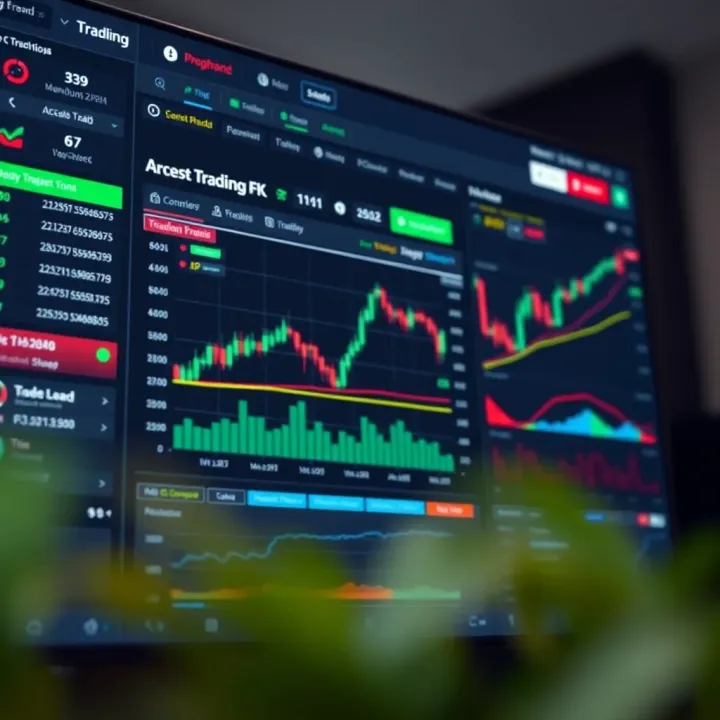
Forex trading involves buying and selling currencies such as the US dollar (USD), euro (EUR), or British pound (GBP) against the Kenyan shilling (KES) or amongst themselves. This market operates 24 hours and tends to be highly liquid and volatile, offering opportunities for day traders and those seeking quick returns. Kenyan traders often focus on USD/KES because economic reports or political events at home influence this pair significantly. However, forex requires careful risk management because sharp price swings can happen quickly.
Commodities like gold and oil attract Kenyan investors looking to diversify beyond stocks or currencies. Gold, in particular, is a popular safe haven during uncertain economic times and can be traded on international exchanges accessible through brokers. Oil prices often reflect global demand and supply dynamics, affecting energy companies listed on NSE and beyond. While direct investment in physical commodities might be tricky, contracts or derivative products give traders easier access. Commodities usually have different risk profiles compared to stocks, so they add balance to a trading portfolio.
Cryptocurrency trading has gained traction among some Kenyan investors, especially younger and tech-savvy traders. Coins like Bitcoin and Ethereum are popular, but this market is relatively new and less regulated in Kenya. The Central Bank of Kenya (CBK) has issued warnings about crypto risks but has not fully banned trading. Platforms allowing crypto trades often operate across borders, which means investors must be cautious about security and compliance. Understanding local regulations and only using reputable exchanges is crucial to avoid scams.
Trading through a licensed broker gives you a safer environment. The Capital Markets Authority (CMA) regulates brokers in Kenya, ensuring they meet transparency, financial, and operational standards. Kenyan investors should prioritise CMA-approved brokers to avoid fraud or poor service. For example, firms like Nairobi Securities Exchange Members or local banks offering brokerage services are generally safer picks.
A good trading platform must be user-friendly, stable, and offer access to the markets you want to trade. Features like real-time quotes, charting tools, technical indicators, and quick order execution help traders make timely decisions. Mobile compatibility is vital since many Kenyans trade on the go using phones. Some platforms offer demo accounts to practise without risking money, which is useful for new traders.
Ease of funding and withdrawing from your trading account plays a big role in your trading experience. M-Pesa integration has become almost a must for Kenyan traders because it is convenient and widely used. Platforms that accept M-Pesa, alongside bank transfers and cards, lower barriers to entry. Efficient payment methods mean you can quickly respond to market moves without delays caused by complicated bank processes.
Reliable customer support can save you headaches when technical or account issues arise. Look for brokers providing prompt responses via phone, chat, or email. Additionally, educational materials like webinars, tutorials, and blogs help improve your trading skills. Having access to a community or forum with other Kenyan traders also adds value by sharing local market insights or strategies.
Choosing the right market and platform isn’t just about picking what’s popular; it’s about finding what fits your needs, your budget, and your risk appetite in Kenya’s unique financial environment.
Developing strong trading skills and strategies is key for anyone serious about making consistent gains in the Kenyan trading scene. Trading isn’t just about luck or guesswork; it needs discipline, clear understanding, and tested methods. By honing these skills, you can identify better entry and exit points, manage risks effectively, and avoid costly mistakes.
Using demo accounts to build confidence is a smart first step. Many online brokers, including those popular in Kenya, offer demo accounts that simulate real trading environments without risking real money. This lets you familiarize yourself with how markets move, try out different order types, and get used to the platform’s interface. For example, a beginner using a demo on a local NSE trading platform gains practical experience spotting trends and placing orders, which can reduce nervousness once real money is involved.
Understanding technical and fundamental analysis helps you evaluate potential trades by studying past price actions and the underlying factors influencing markets. Technical analysis relies on price charts and indicators to predict future movements, while fundamental analysis looks at economic news, company earnings, or commodity supply and demand. For instance, if inflation reports in Kenya show rising prices, traders might anticipate currency fluctuations and adjust their positions accordingly.
Reading price charts and indicators is a daily part of a trader’s routine. Charts show price movements over time, and indicators like Moving Averages or RSI (Relative Strength Index) help identify trends or when assets might be overbought or oversold. Kenyan traders following NSE equities often use these tools to time their buys and sells, improving decision-making beyond simple guesswork.
Day trading involves buying and selling within the same day to exploit short-term price movements. While it requires close monitoring and quick decisions, beginners can start small and gradually increase exposure. A practical example would be trading forex pairs like USD/KES during active market hours, capitalising on intraday news or market volatility.
Swing trading takes a bit more patience, holding positions for several days to weeks. It benefits from catching medium-term market swings and is less demanding than day trading. For example, a Kenyan trader might hold shares of a company listed on NSE after quarterly earnings reports, expecting a price correction.
Long-term position trading is about investing for months or years, focusing on steady growth rather than quick profits. This suits investors who want to avoid daily market noise. An example could be buying blue-chip stocks or government bonds in Kenya and holding them through economic cycles, benefiting from dividends and capital appreciation.
Risk management techniques are essential across all strategies. Setting stop-loss orders to limit losses, deciding position sizes according to your capital, and avoiding excessive leverage keep your trading viable. Kenyan traders using margin accounts should be especially cautious—as misuse can wipe out savings quickly. Always have a clear plan for cutting losses and protecting gains.
Strong trading skills combined with practical strategies improve your chances of success, helping you trade smart rather than just hard.
Focusing on learning through hands-on practice and planning your strategy carefully can make all the difference for Kenyan investors stepping into trading.
Trading in Kenya offers a way to grow your money, but it comes with risks. Managing these risks is essential to protect your capital and improve your chances of success. At the same time, avoiding common mistakes helps prevent unnecessary losses and frustration. This section highlights key ways to handle risk and steer clear of pitfalls that often catch new traders off guard.
Setting stop-loss orders helps limit losses by automatically selling an asset when it hits a certain price. For instance, if you buy an NSE stock at KSh 100 and set a stop-loss at KSh 90, the stock will be sold if the price falls to KSh 90, preventing further losses. This tool is particularly useful in volatile markets where prices can swing unexpectedly.
Managing position sizes means deciding how much to invest in a single trade relative to your total capital. If your trading account has KSh 100,000, placing a trade worth KSh 50,000 exposes you to higher risk than if you invest KSh 10,000. Keeping position sizes small reduces the impact of one bad trade on your overall portfolio, helping you trade consistently without wiping out your account.
Avoiding over-leveraging is critical because leverage multiplies both gains and losses. Suppose your broker offers 1:100 leverage, and you trade with KSh 10,000; effective exposure is KSh 1,000,000. While profits can be large, losses can exceed your initial investment. Overusing leverage can quickly drain your account, especially if prices move against you, so controlling leverage keeps risks manageable.
Chasing losses happens when traders try to recover losses by making bigger or riskier bets. This often leads to even bigger losses. For example, if you lose KSh 5,000 on a forex trade, doubling your next trade to KSh 10,000 just to recover quickly is a risky move that can backfire.
Trading based on emotions such as fear or greed can cloud judgment. A trader who panics and sells during a temporary dip may miss a rebound, while someone overly excited might enter a trade without proper analysis. Maintaining discipline and sticking to a plan prevents emotional decisions from ruining your trades.
Relying too heavily on tips from friends or online sources can be misleading. Tips often lack context or are outdated. A better approach is to analyse data yourself or learn from trusted educational resources. Blindly following advice without understanding exposes you to unnecessary risk.
Lack of a clear trading plan means entering trades without defined goals, entry and exit points, or risk controls. Without a plan, trading becomes more like guesswork. Successful traders write down their strategy and stick to it, reviewing performance regularly to adjust as needed.
Managing risk and avoiding common mistakes are the backbone of sustainable trading. By setting stop-loss orders, controlling position sizes, steering clear of emotional decisions, and following a clear plan, Kenyan traders can protect their investment and trade with confidence.
Having the right tools and resources is a must for anyone serious about trading in Kenya. They help you make better decisions, stay updated on market changes, and manage your trades efficiently. Without these, it’s easy to get overwhelmed or miss opportunities.
Charting and analysis tools are the backbone of smart trading. They visualize price movements and help you spot trends early. For example, platforms like TradingView offer detailed charts with indicators such as moving averages and RSI that you can customise based on your trading style. For a Kenyan trader, having these tools can mean the difference between guessing and making an informed move.
When it comes to mobile trading apps popular in Kenya, Safaricom’s M-Pesa integration is a huge plus. Apps like MT4 (MetaTrader 4) and the NSE mobile platform enable you to trade shares, forex, or commodities anytime and anywhere on your phone. This convenience fits well with busy lifestyles here, letting you trade during matatu rides or even while waiting in line at the duka.
News and market data sources keep you in the loop with what’s happening both locally and globally. For instance, the Business Daily and Capital FM websites offer up-to-date financial news relevant to NSE equities and foreign exchange changes. On top of that, apps like Bloomberg and Reuters provide comprehensive market data, crucial for traders who want to react quickly to economic reports or political developments that affect prices.
Online courses and tutorials provide a structured way to build your trading knowledge. Platforms like Coursera or Udemy have targeted courses on forex trading, technical analysis, and risk management. Some Kenyan brokers also run free webinars tailored to local market conditions, which can be very helpful for understanding specifics like NSE share trading rules or tax obligations.
Trading forums and local groups offer a chance to connect with fellow traders to exchange insights, ask questions, and share experiences. Communities on Telegram or WhatsApp often discuss daily trading opportunities based on NSE movements or forex pairs like USD/KES. Being part of such groups helps you avoid mistakes and get new strategies from others hustling in the same markets.
Lastly, staying updated with Kenyan regulatory bodies for updates like the Capital Markets Authority (CMA) ensures you trade safely and legally. The CMA issues notices on licensed brokers, trading rules, and recent changes impacting the market. Keeping this information at hand helps protect you from scams and guarantees you use regulated platforms.
Using the right tools and tapping into community support not only boosts your trading skills but also anchors you firmly within Kenya’s unique investment environment.
With these tools and resources, you can approach trading confidently, aware of local nuances and ready to make informed decisions that grow your savings effectively.
Explore CFD trading in Kenya 🇰🇪 with this practical guide: learn how it works, key strategies, market access, risks, and tips to trade smarter 📈.

Explore how Kenyan investors can start copy trading 📈, learn which local platforms to use, understand risks, and get tips to manage investments wisely.

📈 Explore day trading in Kenya with tips on strategies, risk management, tools, emotional control, and complying with local rules for smart trading.

📈 Discover essential crypto trading tips for Kenyan investors! Learn key strategies, tools, legal tips, and risks to trade confidently in Kenya's market.
Based on 7 reviews