
Understanding Derivative Peer-to-Peer Trading in Kenya
Explore derivative P2P trading in Kenya 🚀 Learn how peer-to-peer platforms for derivatives work, benefits, risks, and safe trading tips 👍📈
Edited By
Grace Ellis
Peer-to-peer (P2P) trading is changing how Kenyans buy and sell assets like cryptocurrency, goods, or services. Unlike traditional trading methods that rely on middlemen such as banks or brokers, P2P allows individuals to transact directly. This puts more control and flexibility in your hands but also calls for extra caution.
In Kenya, P2P has gained traction especially with the rise of mobile money platforms like M-Pesa. For example, a small-scale trader in Kisumu can sell digital coins directly to a buyer in Nairobi using M-Pesa, bypassing banks or exchanges. This direct connection often means lower costs and faster payments.

However, P2P trading comes with risks. Since transactions happen between individuals, you must verify trustworthiness and use secure platforms. Scams and fraud are common pitfalls if traders are careless. Knowing reliable websites and verified users helps reduce such dangers.
When dealing with P2P trading, always double-check buyer or seller reviews and use platforms that offer escrow services for holding funds during the transaction.
Direct asset exchange without intermediaries
Payments often done through mobile money services like M-Pesa
Opportunity to negotiate prices personally
Flexibility in choosing transaction terms
Fraudulent buyers or sellers
Fake escrow platforms
Lack of formal dispute resolution
For traders and investors, the best approach is thorough due diligence and using platforms recognised locally. Examples include Paxful, Remitano, and Binance P2P. Each offers options aligned with Kenya's payment methods and regulatory environment.
This guide will walk you through how to safely engage in P2P trading, explain payment processes using M-Pesa, outline where to find trustworthy platforms, and share practical tips to avoid common traps in the market.
Start with small trades to build confidence and never rush a deal without verifying all details. With the right knowledge, P2P trading can broaden your options in Kenya's growing digital economy.
Peer-to-peer (P2P) trading is transforming how people buy and sell assets by cutting out the middlemen. In Kenya, where small businesses, individual entrepreneurs, and everyday people seek more control over transactions, understanding P2P trading has become a practical necessity. It offers a platform where two parties can directly trade goods, services, or digital assets like cryptocurrency, providing a more flexible and often cheaper alternative to traditional systems.
P2P trading involves a direct exchange between individuals without an intermediary such as a bank, broker, or large marketplace controlling the deal. This setup means that buyers and sellers connect directly, negotiating terms such as price and payment method. For example, a trader in Nairobi could sell cryptocurrency directly to a buyer in Mombasa using platforms that support M-Pesa payments. This cuts down on fees and speeds up the transaction.
Unlike traditional trading that often requires licensed intermediaries, P2P trading builds on trust and transparent communication between the parties. The concept has gained momentum in Kenya especially due to the widespread use of mobile money and growing internet access.
Traditional trading typically involves a broker, exchange, or third party acting as a gatekeeper. These entities handle the transaction, guarantee security, and often charge significant fees. For instance, buying shares through the Nairobi Securities Exchange (NSE) requires engaging a licensed broker.
In contrast, P2P trading removes these middlemen, giving traders full control over their dealings. Although it demands more diligence from users to avoid scams or disputes, P2P trading tends to be faster and less expensive. It also makes trading accessible for people who might not meet all the criteria to trade on formal exchanges.
Kenya has seen a rise in P2P cryptocurrency trading, with platforms like Paxful and LocalBitcoins becoming popular thanks to their support for M-Pesa payments. These platforms allow users to buy or sell Bitcoin and other digital currencies directly to one another. Since the Central Bank of Kenya has issued cautious guidance on crypto, many locals prefer P2P deals for privacy and convenience.
A practical example is a farmer in Kisumu selling Bitcoin to a tech startup owner in Nairobi directly on such a platform, agreeing on a KSh price and completing payment through M-Pesa instantly. This makes crypto trading accessible to traders without needing traditional bank accounts.
P2P trading goes beyond digital assets to include physical goods and services. Sites and apps focusing on classified ads, like Jiji or OLX Kenya, facilitate direct sales between individuals. Whether selling used phones, livestock, or offering handyman services, P2P methods allow users to negotiate prices, inspect products, and pay using preferred methods such as cash or mobile money.
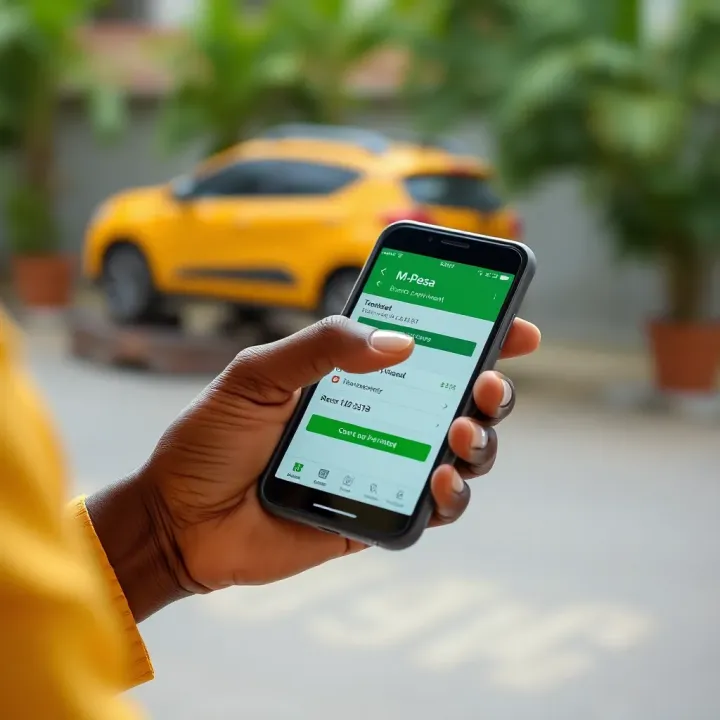
For example, a boda boda rider might directly offer transport services to a client through a WhatsApp group or a local Facebook marketplace. This direct approach removes commission fees from agents or platforms, often resulting in better prices for both seller and buyer.
P2P trading adapts well to Kenya's mobile-centric economy, providing flexibility and empowerment to everyday traders.
Peer-to-peer (P2P) trading platforms bring notable advantages for Kenyan traders by enabling direct transactions without middlemen. These benefits include easier access to markets, lower costs, and more control over trades, which suit the local economic landscape where mobile money services and informal trading play a big role.
Using mobile money like M-Pesa: One standout benefit of P2P trading in Kenya is the use of mobile money platforms such as M-Pesa. Because M-Pesa is widely adopted even in rural areas, it allows traders to send and receive payments instantly, without the need for bank accounts. For example, someone selling cryptocurrency on a P2P platform can receive payment in real time directly to their M-Pesa wallet, making the process faster and more accessible than traditional banking methods. This convenience encourages more people, including those outside major towns, to participate.
Availability beyond formal financial institutions: Many Kenyans still lack access to formal banking services due to strict requirements or the distance to the nearest branch. P2P platforms bypass those hurdles by connecting buyers and sellers digitally, empowering individuals who rely primarily on mobile money. This setup matches the Kenyan setting where informal economy activity is widespread. Beyond banks, traders can access goods, services, or digital assets anytime and from anywhere, creating fresh opportunities for income and trade in counties with fewer financial infrastructures.
Reduced fees compared to brokers: Traditional brokers or middlemen often charge hefty commissions or hidden fees, which can eat into profits. P2P trading platforms typically have lower transaction costs because they remove intermediaries. For instance, instead of paying a KSh 500 fee to a broker for a single trade, a P2P trader might pay just KSh 50 or less directly on the platform. This difference can be a big deal for small-scale traders or those just starting, where every shilling counts.
Direct negotiation between buyers and sellers: P2P trading lets parties communicate directly, which allows them to set prices, agree on terms, and address concerns without waiting on a third party. This flexibility means better bargaining, customised arrangements, and quicker decision-making. One person selling agricultural produce might negotiate immediate payment and delivery terms directly with a buyer, offering more confidence and control compared to fixed deals through traditional channels. It also fosters trust and long-term relationships in local communities and networks.
Kenyan traders enjoy benefits from the P2P model thanks to mobile technology and local market realities, making it a practical alternative to formal financial and trading systems.
These advantages highlight why P2P trading platforms are quickly gaining traction in Kenya, especially among traders who seek affordable, convenient, and direct ways to engage in the market.
Peer-to-peer (P2P) trading holds great promise, but it doesn't come without risks. In Kenya, where informal transactions and mobile money use are widespread, understanding these risks is essential. Without the typical safeguards of banks or brokers, traders face unique challenges that require careful attention and preparation.
Scams and fraud rank high among the threats in P2P trading. Since transactions happen directly between individuals, it’s easier for dishonest parties to exploit the system. For example, a buyer might disappear after receiving cryptocurrency but before making payment through M-Pesa, or a seller might fail to deliver goods even after payment clears. The lack of physical verification can make such scams difficult to spot early on.
Fraudsters often take advantage of urgent deals or lack of knowledge. A common scenario involves someone posing as a trusted seller in online P2P markets but withholding the actual asset. This is especially risky in Kenyan settings where many still rely on word-of-mouth reputation rather than formal verification. Therefore, traders must stay alert and question anything that seems overly favourable or rushed.
Dispute resolution challenges pose another big problem. Unlike regulated markets with clear processes, P2P trades typically don’t come with formal dispute mechanisms. If a deal goes sour—say, a payment is made but the goods are substandard or never arrive—there is often no straightforward way to recover the loss. Local courts can be slow and expensive, and many traders find formal complaints too cumbersome or beyond their reach.
This gap often leaves parties stuck in prolonged negotiations or forced to rely on informal channels such as social media groups or community members to resolve conflicts. Such reliance can lead to inconsistent outcomes and may discourage new traders from engaging seriously in P2P markets.
Verification of counterparties is the first step to lowering risks. Always take time to confirm the other party’s identity and reputation before committing funds or assets. Kenyan traders should check profiles on platforms that provide ratings or reviews, ask for referrals from acquaintances, and be sceptical of new accounts with minimal history.
Some platforms also allow linking government IDs or mobile numbers, which adds an extra layer of trust. For instance, confirming the phone number linked to M-Pesa transactions can help ensure you’re dealing with the right person. Simple steps like arranging a video call or meeting in a public place can also go a long way in building confidence.
Using escrow and trusted platforms offers more security. Escrow services hold the payment until both buyer and seller confirm the transaction’s success. For example, some Kenyan P2P crypto exchanges incorporate escrow features that release coins only after the buyer pays through M-Pesa or bank transfer. This arrangement protects both parties from fraud, especially in high-value trades.
Choosing platforms known for effective dispute resolution and trusted by the local community is crucial. These platforms often have clear policies and customer support to handle problems swiftly. Avoid trading parties who prefer off-platform deals, as this removes protections and increases exposure to scams.
Caution and verification form the backbone of safe P2P trading in Kenya. By understanding common risks and taking practical safety steps, traders can minimise losses and build a trustworthy trading environment.
Getting started with peer-to-peer (P2P) trading in Kenya means understanding the platforms, setting up accounts properly, and executing trades safely. This practical approach helps new traders avoid common pitfalls like fraud or delays, especially given the unique Kenyan payments ecosystem centred on M-Pesa.
Popular P2P platforms used in Kenya include local and international options such as Paxful, Binance P2P, and LocalBitcoins, which are widely used for cryptocurrency trading. These platforms have gained popularity because they allow direct exchange between individuals without relying on banks or brokers. Additionally, platforms like Jiji and OLX have built-in P2P trading features for goods and services, facilitating secure direct deals in everything from electronics to household items.
Criteria for selecting a safe platform involve checking for regulatory compliance, user verification procedures, and escrow services. Not all platforms are created equal; a good one must have clear terms of service, active customer support, and a dispute resolution mechanism. Kenyan traders should ensure the platform supports mobile money payments such as M-Pesa for easy, local transactions and has a track record demonstrating transparency and safety.
Registering and verifying identity is usually the first step on any P2P platform. This procedure often requires uploading valid identification documents, which helps reduce fraud and instills trust among users. In Kenya, platforms that integrate KRA PIN or use eCitizen for verification offer a smoother onboarding experience, aligning with local identity systems.
Connecting M-Pesa and other payment options is vital for seamless trading in Kenya. Almost all reputable P2P platforms allow linking your M-Pesa account directly to enable instant deposits and withdrawals. Besides M-Pesa, some platforms also accept bank transfers or card payments, but mobile money remains the backbone because of its ubiquity and convenience across urban and rural areas.
Placing buy or sell orders typically involves selecting the asset, entering the desired amount, and specifying payment method preferences. For example, when buying Bitcoin on Binance P2P, you can filter sellers by those accepting M-Pesa and with high trade completion rates. This step requires careful attention to market prices and seller profiles to avoid overpaying or falling for scams.
Completing transactions securely means following platform instructions closely and using escrow services when available. Once a sell order is matched, the assets are held in escrow until the buyer confirms payment via M-Pesa. Only after verification does the platform release assets to your account. This process protects both parties from fraud and makes P2P trading safer—especially in the Kenyan context where mobile money is fast but may have fewer chargeback options.
Careful platform choice, thorough verification, and secure payment integrations form the backbone of a successful P2P trading experience in Kenya. Always start small and build trust gradually.
Peer-to-peer (P2P) trading thrives on understanding local nuances that shape its success. For Kenyan traders, grasping market dynamics and nurturing trust within the community are critical. These factors influence safety, efficiency, and the ability to capitalise on the opportunities P2P trading offers.
Kenya’s regulatory framework affects how P2P trading operates, especially when it comes to cryptocurrencies and digital transactions. The Central Bank of Kenya (CBK) has issued guidelines warning banks and financial institutions against facilitating cryptocurrency exchanges due to volatility and fraud concerns. However, there is no outright ban, which means P2P trading still happens but under cautious parameters.
This regulatory ambiguity means traders must stay informed and choose platforms compliant with Kenyan laws. For example, using platforms that integrate identity verification helps satisfy KYC (Know Your Customer) requirements, making it safer to trade. Traders should also be aware that tax implications may arise from profits made through P2P dealings, so keeping good records for Kenya Revenue Authority (KRA) purposes is advisable.
M-Pesa’s ubiquity in Kenya provides a convenient and trusted way to move money swiftly in P2P trades. Almost every Kenyan with a mobile phone can send or receive payments instantly, which eliminates the need for traditional banking in many cases. This ease significantly lowers barriers for participation in P2P trading, particularly in rural areas or where banks have little reach.
Nonetheless, traders must be cautious with payment confirmations and fraud prevention since M-Pesa transactions are irreversible once completed. Escrow services or trusted middlemen on verified P2P platforms help reduce risks by holding funds until both buyer and seller complete their part of the deal.
Ratings and reviews on P2P platforms act as informal credit scores; they help buyers and sellers differentiate trustworthy users from risky traders. Positive feedback from multiple completed transactions builds confidence and encourages others to engage.
For instance, Kenyan traders often check profiles carefully before committing funds, preferring counterparties with high ratings and detailed reviews. These systems also offer dispute records, which guide users on potential red flags. Without such trust markers, many would shy away from direct trades.
Beyond the platform itself, online forums and social media groups focused on P2P trading in Kenya foster peer learning and mutual support. Members share warnings about scams, tips on negotiating fair deals, and updates on changing regulations.
Being part of such communities also connects traders with local experts and enthusiasts who understand specific challenges like fluctuating exchange rates or network outages. This collective knowledge exchange builds resilience and makes P2P trading safer and more accessible for everyone involved.
Trust and awareness are key pillars that hold Kenya’s P2P trading ecosystem together. Knowing the regulatory landscape, utilising mobile money wisely, and leaning on community-driven systems of feedback increase the chances of successful trades.
By giving attention to these considerations, you position yourself better to navigate Kenya’s P2P market with confidence and practical savvy.
Explore derivative P2P trading in Kenya 🚀 Learn how peer-to-peer platforms for derivatives work, benefits, risks, and safe trading tips 👍📈

Explore how Kenyan investors can start copy trading 📈, learn which local platforms to use, understand risks, and get tips to manage investments wisely.

📈 Explore day trading in Kenya with tips on strategies, risk management, tools, emotional control, and complying with local rules for smart trading.

📈 Discover essential crypto trading tips for Kenyan investors! Learn key strategies, tools, legal tips, and risks to trade confidently in Kenya's market.
Based on 7 reviews