
Forex Trading Guide for Kenyan Investors
📈 Learn forex trading basics for Kenyan investors: how to trade currencies, use M-Pesa, spot risks, and follow local regulations for smart investing. 💱
Edited By
Edward Hughes
Forex trading, also known as foreign exchange trading, involves buying and selling currencies on the global market. For Kenyan traders, understanding how forex works is a foundation for making profitable moves while avoiding common pitfalls.
The forex market operates 24 hours a day, five days a week, allowing traders to respond to events anytime—from Nairobi to New York. This continuous nature means liquidity is high, but so is volatility. In Kenya, many traders use platforms accessible on mobile phones and computers, making it convenient but also demanding discipline.
Currency pairs are central to forex trading. These pairs show how one currency values against another, such as USD/KES (US dollar against Kenyan shilling). Traders speculate on whether the shilling will strengthen or weaken relative to the dollar, aiming to buy low and sell high or vice versa.
Kenyan traders often start with major currency pairs like USD/EUR, GBP/USD, or USD/JPY given their stability and trading volumes. More exotic pairs, including the shilling against emerging market currencies, may offer opportunities but come with greater risk due to lower liquidity.
Here are key points every Kenyan forex trader should consider:
Understand market hours: Although Nairobi operates on East Africa Time, forex is driven by global centres like London, New York, and Tokyo. Price movements may intensify during these regional trading hours.
Use regulated brokers: The Capital Markets Authority (CMA) in Kenya regulates trading firms and brokers. Choose brokers licensed by CMA or reputable international regulators to avoid scams.
Master risk management: Tools like stop-loss orders help limit losses, while sensible position sizing prevents wiping out your account on one bad trade.
Stay updated: Economic indicators like US non-farm payrolls, Central Bank of Kenya policies, and global events influence forex prices sharply.
Trading forex is not just about luck; it demands knowledge, strategy, and consistent practice – especially in Kenya’s developing market environment.
In this article, we will break down practical strategies, technology tools, and regulatory basics tailored for Kenyan forex traders, so you can trade with confidence and clearer understanding.
Forex trading shapes the financial landscape worldwide, and for Kenyan traders, understanding its basics opens real opportunities to engage with global markets. This section lays the foundation by explaining what forex trading is, who is involved, and how the process works. Such knowledge is vital for anyone looking to navigate this complex market effectively.
Forex trading, or foreign exchange trading, involves buying one currency while simultaneously selling another. Traders speculate on the fluctuating exchange rates between currencies to make a profit. For instance, a Kenyan trader might buy US dollars with Kenyan shillings expecting the dollar to strengthen against the shilling. This market operates 24 hours during weekdays, offering flexibility vastly different from traditional stock markets.
The forex market brings together various players, each with distinct roles. Banks and financial institutions dominate, executing large transactions globally. Central banks, such as the Central Bank of Kenya (CBK), influence currency values through monetary policy decisions. Hedge funds and corporations participate for investment or operational needs, like importing or exporting. On the retail level, individual traders in Kenya now form a growing group thanks to easier online platform access and mobile payment systems like M-Pesa.
Trading happens through currency pairs, like USD/KES (US dollar to Kenyan shilling), where the first currency is bought or sold against the second. Traders analyse market data to predict price movements using strategies based on economic indicators, technical charts, or news events. When a trader believes the US dollar will strengthen against the shilling, they buy USD/KES. Conversely, if expecting a weakening dollar, they sell the pair. Orders are executed instantly through brokers who provide access to forex platforms.
Understanding these core concepts equips Kenyan traders to engage confidently with forex. Knowing who's involved and how transactions unfold sharpens your approach and guards against common pitfalls.
By mastering the basics in this section, you set a firm ground for more advanced strategies and informed decisions as you move through this guide.
Understanding which currency pairs to focus on and knowing the right trading hours can make a big difference for Kenyan traders. Both factors influence liquidity, volatility, and the chances of making profitable trades. For Kenyan traders, who operate in East Africa Time (EAT), matching market hours with their daily schedules is just as important as selecting the right pairs.
Major pairs include the most traded currencies worldwide, often featuring the US dollar (USD) combined with others like the euro (EUR), British pound (GBP), or Japanese yen (JPY). For example, EUR/USD and USD/JPY are highly liquid and typically have tighter spreads. Kenyan traders will find these pairs attractive due to their predictability and availability of information.
On the other hand, minor currency pairs exclude the USD but combine other major currencies, such as EUR/GBP or AUD/NZD. These pairs tend to have less liquidity but can offer decent price movements favourable for strategic trading.
For those in Kenya, including the USD/KES pair in one's watchlist is practical, given local economic factors and the KSh's movements against the US dollar. While it’s not considered a major or minor currency pair internationally, it carries significant importance in Kenya’s foreign exchange market, influenced by imports, remittances, and tourism.
Forex operates 24 hours on weekdays, but the most active sessions overlap in certain windows. For Kenyan traders, the London and New York sessions are particularly significant, opening roughly at 10:00 am and 3:00 pm EAT respectively.
The overlap between London and New York sessions, typically from 4:00 pm to 7:00 pm EAT, is when the market sees the highest liquidity and volatility. This time is ideal for traders who prefer more active price movements because these sessions involve major financial centres.
Alternatively, the Asian session, active between 3:00 am to 11:00 am EAT, is quieter but still offers opportunities, especially with currency pairs like USD/JPY and AUD/USD. This session requires a different approach, usually favouring more cautious or range-bound strategies.
For Kenyan traders, aligning trading activities with these market hours optimises the chances of catching significant price moves. It also helps in managing trading routines around other daily commitments.
By focusing on relevant currency pairs like USD/KES alongside majors and minors, and trading during the best hours in EAT, Kenyan traders can better position themselves for consistent results in the forex market.
To trade forex profitably, you can't rely on guesswork. Developing solid strategies and mastering key techniques helps Kenyan traders make smart decisions, reducing unnecessary losses. Whether you trade from Nairobi or Kisumu, knowing when and how to enter or exit trades can be the difference between steady gains and wiping out your balance.
Fundamental analysis involves studying economic indicators and news to predict currency movements. In Kenya, events like the CBK interest rate announcements or inflation reports heavily impact forex pairs involving the Kenyan shilling. For example, if inflation spikes above the target, the shilling might weaken, making USD/KES rates rise. Traders use reports on GDP, unemployment rates, or geopolitical shifts to gauge currency strength. Paying attention to global powers’ central banks such as the US Federal Reserve or European Central Bank is also practical since their decisions ripple through major pairs like EUR/USD and USD/JPY.
Technical analysis focuses on price charts to find patterns signalling future trends. Common tools are candlestick charts, moving averages, and support or resistance levels. For instance, spotting a "double top" pattern could hint at a coming price drop, while a rising trend line may confirm upward momentum. A Kenyan trader might notice M-Pesa news triggering sharp price swings, which technical indicators can help interpret for better timing. Well-known chart patterns like head and shoulders or triangles provide concrete entry or exit points, enabling more disciplined trading than relying on gut feeling.
Choosing the right trading style depends on your availability and risk appetite. Day trading suits those who can monitor markets during Nairobi’s business hours, quickly capitalising on small price changes. Swing trading holds positions for days or weeks, fitting traders balancing forex with other jobs. Scalping involves many quick trades throughout a session but demands focus and fast execution. Timeframe matters: minute charts serve scalpers, while daily or weekly charts benefit long-term traders. Understanding your lifestyle and goals shapes your approach, keeping you consistent and avoiding hasty moves or burnout.
Successful forex trading in Kenya combines an eye for economic trends with chart reading and a trading style that matches your daily routine and risk comfort. With practice, these strategies help you navigate currency markets confidently.
By practicing these essential strategies, you stand a better chance of making informed trades that protect your investment and increase your chances of profit in the volatile forex environment.
Risk management and trading discipline are the backbone of successful forex trading. Without solid risk controls and the ability to stick to a trading plan, even the most knowledgeable traders often suffer heavy losses. For Kenyan traders, understanding risk and maintaining discipline helps protect capital and builds sustainable trading habits.
Risk management means deciding how much of your capital you are willing to risk on a single trade. This matters because the forex market can swing quickly and unexpectedly. For example, if you deposit KS0,000 in a trading account, risking 2% per trade means you should lose no more than KS,000 on any single deal. This approach prevents a string of losses from wiping out your entire fund.
Managing risk also includes diversification, avoiding over-leveraging, and setting realistic expectations. Leverage in forex can magnify profits but also losses. Kenyan regulators and brokers often offer leverage up to 1:100, but it pays to be cautious. Over-trading with excessive leverage is a quick route to losing more than your original investment.
Several tools help traders keep losses minimal. Stop-loss orders, for instance, close a trade automatically when the market moves against your position by a set amount. Suppose you buy USD/KES at 110 and set a stop-loss at 108. If the price drops to 108, your trade closes, capping your loss.
Take-profit orders work the opposite way—locking in gains automatically when the price reaches your target. Trailing stops adjust the stop-loss as the trade moves in your favour, protecting profits while allowing room for growth.
Other tools include position sizing calculators and risk-to-reward ratios, which help you quantify potential risks versus gains before entering any trade.
Discipline in forex is about sticking to your strategy and risk limits, regardless of market noise or emotions. It’s easy to get swayed by fear or greed—two emotions that lead many traders astray. For example, chasing losses might cause you to increase the size of trades impulsively, which often ends badly.
Developing emotional control requires practice and patience. Keeping a trading journal helps track your decisions and emotional triggers. When you review past trades, you can identify mistakes and adjust behaviour accordingly.
Furthermore, setting specific trading hours fits well with maintaining discipline. Kenyan traders might focus on sessions overlapping London and New York (3 pm to 11 pm EAT), when liquidity is higher and spreads tighter.
Effective risk management and discipline won’t eliminate losses altogether, but they will keep you in the game longer to learn and grow. Protecting your capital is a priority that directly impacts your chances of success in forex trading.
By mastering these aspects, Kenyan traders build a solid foundation for navigating volatile forex markets confidently and sustainably.
Technology plays a big role in modern forex trading, making it easier for Kenyan traders to access global markets. Choosing the right forex broker is just as important because it affects security, speed of execution, and transaction costs. This section breaks down what to look for when picking a broker and the tools that can give you a trading edge.
A trustworthy forex broker should be licensed and regulated by a recognised authority like the Capital Markets Authority (CMA) in Kenya. Regulatory oversight ensures brokers comply with rules protecting your funds. For example, brokers operating legally in Kenya often provide client fund segregation, reducing the risk of loss if the broker faces financial trouble.
Look at spreads and commissions, as tight spreads lower your trading costs. Some international brokers, such as FXTM or Exness, are popular among Kenyan traders for offering competitive fees and easy deposit options. Also, consider customer support—having timely help via phone, WhatsApp, or email can save you when issues arise.
The trading platform is your gateway to the market. MetaTrader 4 and MetaTrader 5 are common favourites, offering tools like charting, indicators, and automated trading systems. These platforms support customised strategies and allow you to monitor your trades thoroughly.
Beyond the basics, some brokers offer proprietary platforms with added features like integrated news feeds, economic calendars, and one-click trading. For example, a platform offering real-time Kenyan shilling exchange rates helps local traders align trades with currency movements. Using these tools can improve trade timing and decision-making.
Most Kenyan traders now prefer mobile devices due to convenience. Brokers supporting mobile apps with full trading capabilities let you trade anywhere—from Nairobi matatu rides to shamba visits. Look for brokers with well-rated apps on Android and iOS that don’t compromise on speed or features.
Payments are crucial; using local options like M-Pesa, Airtel Money or bank transfers simplifies deposits and withdrawals without hefty fees. Several brokers allow direct deposits through Paybill or Till Numbers, avoiding delays common with international wire transfers. For instance, some brokers have partnered with Safaricom to facilitate instant M-Pesa deposits directly to your trading account.
Picking the right broker and technology is more than convenience—it’s about security, cost efficiency, and having tools that empower your trading strategy in a fast-moving market.
By weighing these factors carefully, Kenyan traders can position themselves for cleaner executions and better control over their forex activities.
Navigating the legal landscape is a key part of successful forex trading in Kenya. With the forex market open 24/7 and accessible online, understanding how regulations protect traders and what laws govern brokers helps avoid costly mistakes and fraud. This section breaks down the main regulatory bodies and shares practical advice to stay safe.
The primary authority overseeing forex trading in Kenya is the Capital Markets Authority (CMA). This body ensures brokers operating in Kenya follow strict rules meant to protect investors. A trader should always confirm that a forex broker is licensed and regulated by the CMA. Unregulated brokers might offer tempting deals, but they carry higher risks of malpractice.
On top of the CMA, the Central Bank of Kenya (CBK) plays a role by regulating payment systems linked to forex transactions, especially mobile payments like M-Pesa. This means deposits and withdrawals related to trading accounts must comply with CBK guidelines, which adds another layer of security.
For instance, brokers like HF Markets and EGM Securities are recognised by the CMA and provide transparent platforms tailored to Kenyan traders. Ensuring your broker's registration with these bodies reduces the risk of losing money to scams.
Forex scams continue to be a real threat in Kenya’s growing trading community. Most scams revolve around unlicensed brokers, fake signals, or promises of guaranteed profits, which are unrealistic.
To avoid falling victim:
Check the broker's credentials: Always verify their licence on the CMA website before depositing any funds.
Beware of unsolicited offers: Legitimate brokers rarely cold-call or send aggressive pitches through social media or SMS.
Avoid promises of guaranteed returns: Forex trading involves risk; anyone assuring profits is likely dishonest.
Use official payment channels: Stick to payment methods like M-Pesa or bank transfers through known accounts, not unfamiliar online wallet services.
Start small: Test the waters with a minimal deposit before scaling up your trades.
Staying vigilant and informed makes a huge difference in protecting your capital and trading confidently.
By keeping an eye on regulatory updates and remaining cautious with your dealings, you reduce risks and move closer to trading success. The legal framework in Kenya is steadily evolving to support fair forex trading, so working within these boundaries is both wise and necessary.
Starting forex trading in Kenya requires a clear understanding of the basics before jumping in. This section pinpoints practical steps to help you begin confidently and minimise common errors. Knowing how to open an account properly, setting achievable goals, and tapping into available learning resources can make a big difference in your trading journey.
Opening a trading account is your first step after deciding to trade forex. Many brokers accept Kenyan clients, but it’s wise to choose one regulated by the Capital Markets Authority (CMA) Kenya or other respected authorities. Local regulation means your funds have better protection, and customer support typically understands Kenyan traders’ needs, including local payment options like M-Pesa.
You’ll need to provide identification documents such as your national ID, KRA PIN, and proof of address when registering. Some brokers allow you to open a demo account first. This is useful for practising without risking real money, especially if you are new to forex. When you move to a live account, start with an amount you can afford to lose—KS0,000 to KS0,000 is a reasonable figure to test the waters without breaking the bank.
Many traders jump in hoping to get rich quickly but soon face frustration. It’s vital to set achievable goals that suit your capital and time commitment. For example, aiming for 5% monthly growth in your trading balance is a reasonable target for beginners. This is far better than chasing unrealistic gains that only invites reckless risk-taking.
Forex trading is not a get-rich-quick scheme but a skill that improves with time. You should expect some losses along the way. What matters is how you manage those losses and stick to your trading plan. Keep track of your progress in a journal to understand what works and what doesn’t. Over time, your goals may evolve as your skills improve.
The forex world can be complex, but Kenya’s growing online communities and educational platforms can help a lot. Websites like Forex Peace Army or local trading forums offer reviews of brokers, trading tips, and discussions tailored to East African traders.
Additionally, Safaricom’s M-Pesa and eCitizen portals occasionally have useful guides on finance and digital trading tools. Attending local seminars or workshops organised by brokers or trading academies also helps sharpen your knowledge while networking with other traders.
Joining a community encourages you to stay disciplined and learn from others’ experiences, which is crucial as you grow your trading skills.
Exploring free online courses and YouTube tutorials made by established Kenyan traders can also add value without a steep cost. The key is to start with credible sources and practise consistently. That way, when opportunities arise, you are ready to make informed decisions.
Getting started is about laying a strong foundation. By opening a proper account, setting realistic goals, and embracing learning opportunities, your forex trading journey in Kenya can be both safe and productive.
📈 Learn forex trading basics for Kenyan investors: how to trade currencies, use M-Pesa, spot risks, and follow local regulations for smart investing. 💱
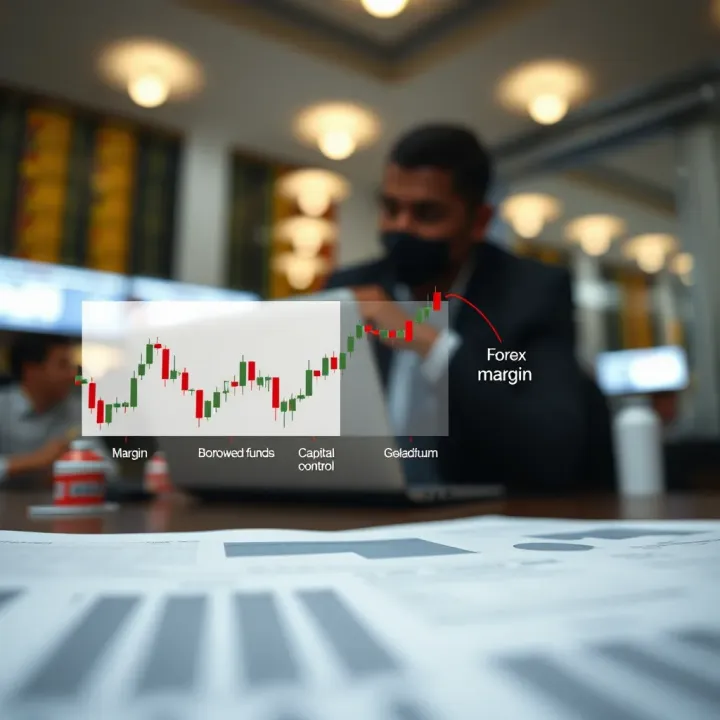
📉 Learn how margin in forex trading helps Kenyan traders control bigger positions with less capital. Understand margin calls, risks, and smart margin management to avoid big losses.
Explore Deriv Forex trading in Kenya 🇰🇪! Learn account setup, tools, risk management, and strategies for smart trading. Start your journey with confidence 🚀.
🤖 Explore bot trading in forex: understand how automated systems work, key benefits, risks, setup tips, and insights for traders in Kenya. 📈🇰🇪
Based on 11 reviews