
Understanding Deriv Trading for Kenyan Traders
📈 Discover how to trade on Deriv with confidence! Learn account setup, strategies, risk management, and Kenyan regulations in this detailed guide.
Edited By
Emily Clarke
Spreads are a key part of forex trading that every trader in Kenya should understand. Simply put, a spread is the difference between the price at which you can buy a currency and the price at which you can sell it at the same time. Think of it as the cost you pay to enter or exit a trade — even before any commissions or fees.
In the forex market, prices always come in pairs: the bid price (what buyers are willing to pay) and the ask price (what sellers are asking). The spread reflects how much these two prices differ. For example, if the EUR/USD currency pair has a bid price of 1.1500 and an ask price of 1.1502, the spread is 0.0002 or 2 pips (smallest price movement). This spread is effectively an indirect cost that traders must cover to profit.

Understanding spreads helps you spot which forex brokers offer better deals, and how market conditions influence trading costs.
Many brokers advertise "zero spread" accounts, but usually, they make money from commissions or wider spreads during volatile hours. The two main types of spreads you will encounter are:
Fixed spreads: The spread stays the same regardless of market conditions. This can be helpful during unstable times but might be higher on average.
Variable spreads: The spread fluctuates with market liquidity and news events. It tends to be tighter during normal trading hours but can widen unexpectedly.
Kenyan traders should also note that spreads can widen during the early hours when markets in London or New York are closed, or during major economic announcements like US nonfarm payrolls or CBK monetary policy updates.
When comparing brokers, look beyond spread size alone. Check for hidden commissions, execution speeds, and how often spreads widen. A broker with a low average spread but frequent spikes may cost you more in the long run.
Finally, watch how spreads affect your overall trading strategy. Scalpers and day traders are more sensitive to tight spreads since they make many trades, while swing traders might focus less on spreads but more on overnight fees.
This article will break down the different aspects of spreads and help you make smart choices in Kenya’s growing forex market.
When you trade forex, the spread is the difference between the price at which you can buy a currency and the price you can sell it. It’s a key concept that every trader needs to understand because it directly affects your trading costs. Think of it like the small fee a currency broker charges to enable the trade, though this fee is built into the price rather than shown separately.
The forex market operates with two prices for each currency pair: the bid (selling price) and the ask (buying price). The spread is simply the gap between these two. For example, if the USD/KES pair has a bid price of 110.50 and an ask price of 110.55, the spread is 0.05. This difference might seem small, but it represents what the broker earns from the trade.
Spreads serve an important role: they compensate brokers for providing liquidity and handling trades. In normal conditions, this spread can be tight, meaning a smaller cost for you. Wider spreads often appear during volatile times or when liquidity is low, which raises your trading cost.
Spreads add to your overall transaction cost whenever you open or close a trade. For instance, if you start a trade on EUR/USD at a 1.1200 ask price but the bid price is 1.1198, your trade immediately starts with a loss of 0.0002 due to the spread. To break even, the currency needs to move in your favour enough to cover this gap.
For day traders or scalpers who execute many trades daily, small spreads can add up significantly. Picking brokers or trading pairs that offer tighter spreads can save you hundreds or thousands of shillings over time.
Always factor spreads into your trade planning, especially in Kenya where market access hours or broker policies might cause spreads to widen unexpectedly.
In summary, spreads represent the real cost of trading forex beyond just the movement of currency prices. Understanding how they work helps you select better trading times, brokers, and strategies that keep your costs down and your profits within reach.
When trading forex, understanding the types of spreads your broker offers is vital. Spreads directly affect your trading costs and strategy, so knowing the difference helps you make smarter choices and manage expenses better. The two main types you’ll come across are fixed spreads and variable spreads. Each has its pros and cons, and picking the right one depends on your trading style and market conditions.
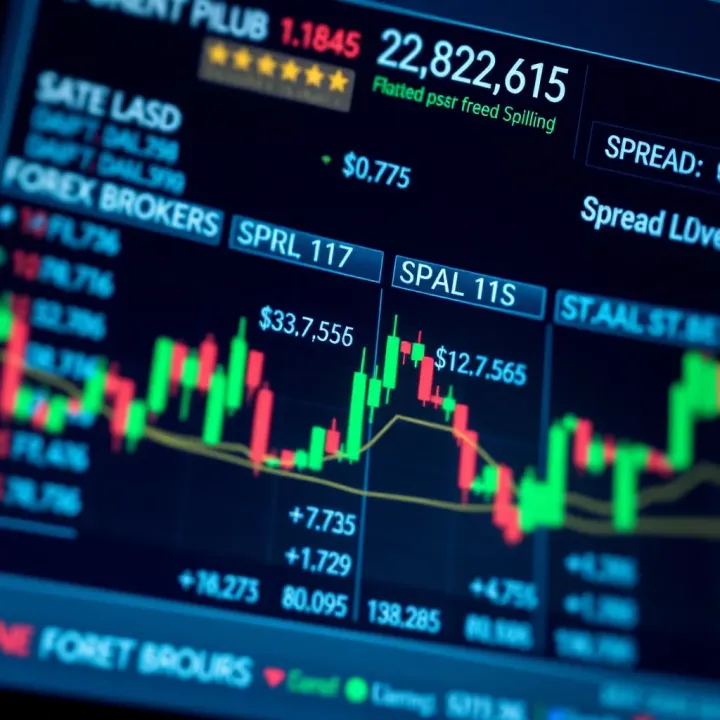
Fixed spreads remain constant regardless of market fluctuations. If your broker sets the spread for EUR/USD at 2 pips, it stays at that level whether the market is calm or volatile. For traders in Kenya who prefer predictability, fixed spreads provide clear cost expectations. For example, if you open a KSh 100,000 position on a pair with a 2-pip fixed spread, you can calculate exactly how much spread cost you'll incur.
That said, fixed spreads might be higher than variable spreads during stable market times because brokers compensate for times when volatility is high. Also, during major economic announcements or low liquidity periods, fixed spreads may widen temporarily or orders might face a slight delay due to broker protection measures.
Variable spreads shift constantly based on market liquidity and volatility. When the market is active, spreads tend to narrow, sometimes going to just 0.1 or 0.2 pips on major currency pairs like USD/KES or EUR/USD. But during times of low activity or sudden news events, spreads can widen significantly, sometimes reaching 5 pips or more.
This type of spread suits traders who prefer tight costs during normal conditions and are comfortable with occasional spikes. Day traders and scalpers, for example, often prefer variable spreads because they can save on costs during peak trading hours but should be ready for some risk during unpredictable market moves.
Choosing between fixed and variable spreads depends on your strategy and risk appetite. Consider these points:
Trading style: If you are a long-term trader who places fewer trades, fixed spreads can make it easier to know your transaction costs upfront. But, if you trade frequently or want to take advantage of tight spreads during high liquidity, variable spreads might save you money.
Market conditions: Fixed spreads might protect you during volatile moments, but variable spreads allow you to benefit from tighter spreads in calm times.
Broker offerings: Not all brokers provide both types. Some Kenyan traders might find that local brokers lean towards fixed spreads to cushion clients, while international brokers favour variable spreads.
Knowing which spread type suits you can improve your trading efficiency and protect your account from unexpected costs.
Always demo-trade with your broker to observe how spreads behave before risking real money. This practice helps you understand the real cost impact and decide which spread suits your trading approach better.
In the end, the key is aligning your spread choice with your trading style, expectations, and market activity to keep costs low and trading smoother.
Understanding what affects forex spreads helps traders manage costs better and improve their strategies. Spreads can widen or narrow based on various factors, impacting how much you pay to open and close trades. Being aware of these elements, especially in the Kenyan market where forex activity is vibrant, can give you an edge.
Market volatility has a strong effect on spreads. When prices swing rapidly, brokers usually widen spreads to protect themselves from sudden price changes. For instance, during geopolitical events or economic announcements like Kenya’s inflation data release, spreads can widen noticeably. Liquidity, meaning how many buyers and sellers are active in the market, also matters. Major currency pairs like USD/KES or EUR/USD generally have tighter spreads due to higher trading volumes. However, exotic pairs or less traded currencies often show wider spreads because fewer traders participate, making it harder to match buyers and sellers.
The time when you trade influences spread size. Forex trading moves through global sessions: Asian, European, and American. Nairobi traders will notice tighter spreads during overlaps, such as when London and New York sessions coincide, offering increased activity and liquidity. During off-peak hours, say late at night Nairobi time, spreads tend to widen as fewer market players operate. Also, during weekends or public holidays in major economies, spreads often increase due to low trading volumes.
Different brokers set varying spread policies based on their business models. Some offer fixed spreads, remaining consistent regardless of market conditions, while others provide variable spreads that fluctuate with market liquidity. For example, a Kenyan trader using a local broker like EGM Securities might find spreads different from those on an international platform like FXTM, thanks to diverse execution methods and fee structures.
Also, the trading platform can affect spreads. Some platforms aggregate liquidity from multiple sources, potentially offering tighter spreads, while others rely on a single liquidity provider. Brokers who operate as market makers may widen spreads to cover their risk, while ECN (Electronic Communication Network) brokers tend to offer raw spreads with possible commission charges.
Understanding these factors helps you pick suitable trading times, currency pairs, and brokers to keep your costs reasonable and your trading efficient.
By keeping these elements in mind, you’ll be better prepared to manage your forex trading expenses and improve your success rate in the Kenyan and global markets.
Choosing the right forex broker can greatly affect your trading costs and profits. Comparing spreads from different brokers is essential because even a small difference can add up, especially if you trade in large volumes or frequently. Brokers often advertise their spreads, but not all spreads are created equal. Some might appear low but come with hidden fees or slower execution speeds. On the other hand, others may offer higher spreads but provide better trade execution and customer support. For Kenyan traders, where forex trading is growing, scrutinising spreads is a practical way to control costs.
When you look at broker spreads, check not just the raw numbers but the overall trading conditions. Start by comparing the average spread for your preferred currency pairs — for instance, the USD/KES or EUR/USD pairs commonly traded in Kenya. Brokers might offer fixed or variable spreads, so understanding which type fits your strategy is key. Also, consider whether the spread tightens or widens significantly during market events such as the US non-farm payroll reports or major Central Bank announcements, which are known to increase volatility.
Look beyond the advertised spreads and read reviews or test with a demo account to see how spreads behave during different times of the day. If the spread frequently spikes, you may face unexpected costs. Additionally, some brokers bundle commissions with their spreads. Platforms like XM, HotForex, or Pepperstone provide clear details on whether their spreads include commissions or are commission-free; knowing this helps avoid double-paying.
Spreads are not the only cost traders face. Slippage — the difference between expected and executed price — can inflate your trading cost if the broker’s platform has execution delays or poor liquidity. This is particularly relevant during the Kenyan stock market’s opening or closing, when liquidity fluctuates. Swap or rollover fees apply when trades remain open overnight, which may indirectly affect spread-related expenses.
Moreover, some brokers require minimum deposit amounts or charge withdrawal fees, which add to the overall cost profile. These charges might not show up as spreads but impact your net returns. For example, a trader using a broker with tight spreads but high withdrawal fees may pay more than a trader with wider spreads but low withdrawal costs.
Always consider the full trading package — spreads, commissions, execution speed, slippage, and additional fees — to make an informed choice. The cheapest spread alone may not mean the lowest total cost.
By comparing spreads carefully and accounting for related costs, Kenyan traders can optimise their trading setups. Even small savings on spreads matter since they directly affect profitability, especially on short-term trades or scalping strategies. Keeping an eye on these details helps you avoid surprises and trade confidently in the forex market.
Managing spread costs effectively is key for forex traders in Kenya, especially given the competitive broker landscape and local market dynamics. Spreads can quietly eat into your profits if you’re not careful, so adopting practical strategies helps you keep trading costs low and improve your bottom line. These tips focus on timing trades, picking currency pairs wisely, and setting realistic expectations to avoid surprises.
Spreads tend to widen during off-peak hours when liquidity is low. In the Kenyan context, this often means avoiding trading during the middle of the night or very early mornings when major markets like London or New York are closed. For example, a Nairobi-based trader might see tighter spreads during the London session opening at 10 am EAT, compared to after midnight when volumes drop.
By timing your trades to align with high liquidity periods—usually when London and New York sessions overlap—you can benefit from tighter spreads. Keep in mind that the lunch hour in London (around 12 pm to 2 pm EAT) might also see wider spreads because of reduced activity. Using your broker’s platform to monitor real-time spread changes can give you an edge to pick low-cost windows.
Not all currency pairs trade the same. Major pairs like EUR/USD, GBP/USD, and USD/JPY typically have the tightest spreads because they are the most liquid globally. In Kenya, USD/KES also often features competitive spreads due to demand and broker focus.
Choosing these pairs can help keep your spread costs down. Exotic or less-traded pairs, such as USD/ZAR or USD/MXN, tend to have much wider spreads, which can quickly add up if you trade frequently or with small margins.
Try to focus on pairs you understand well and whose spread behaviour you can predict. For instance, a trader concentrating on USD/JPY and USD/CHF might avoid unexpected widening because these pairs follow predictable liquidity patterns linked to Asian and European sessions.
Spreads are just part of overall trading costs but can feel significant if you underestimate them. New traders sometimes expect to open and close positions quickly without factoring in spread costs that accumulate with each trade.
It’s helpful to budget for these costs from the start and think of spreads as part of your overall risk management. This means setting realistic profit targets that account for spread charges, especially when scalping or day trading. For example, if your broker charges a 2-pip spread on EUR/USD, make sure your trade target comfortably exceeds that to avoid being stopped out prematurely.
Understanding that spreads fluctuate and will affect net returns helps you avoid frustration or rash decisions. Managing expectations gives you a clearer view of your trading performance and where to improve.
By applying these tips—trading at active market times, focusing on pairs with tight spreads, and planning for spread costs—you improve your chances of long-term success in forex trading here in Kenya.
📈 Discover how to trade on Deriv with confidence! Learn account setup, strategies, risk management, and Kenyan regulations in this detailed guide.

📈 Learn about derivative trading in Kenya: types, risks, and strategies to manage assets like stocks, commodities, and currencies confidently.
📈 Master chart patterns: spot, read & apply them in trading decisions. Use PDFs for clear, practical learning. Boost your technical analysis skills today!

🤖 Learn how binary bots operate and their role in trading 💹 Explore benefits, risks, features, and tips tailored for Kenyan traders.
Based on 13 reviews