
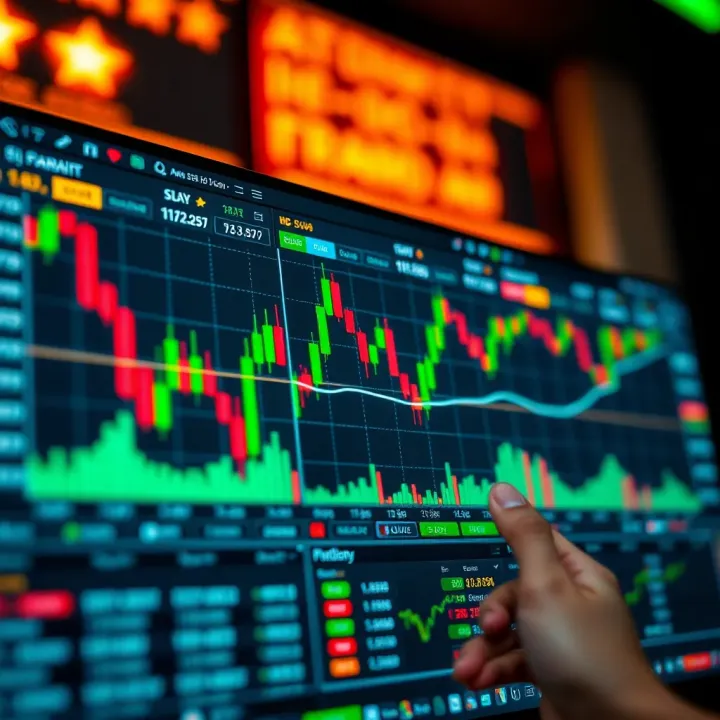
Deriv Forex Trading Guide for Kenyan Traders
Explore Deriv Forex trading in Kenya 🇰🇪! Learn account setup, tools, risk management, and strategies for smart trading. Start your journey with confidence 🚀.
Edited By
Emma Clarke
Trading forex online in Kenya has grown from a niche activity among a few to a common interest among many savvy investors and professionals. With the availability of reliable internet and mobile money platforms like M-Pesa, more Kenyans are exploring foreign exchange trading to diversify their financial portfolios. However, succeeding in forex trading requires more than just jumping in—you need to understand the market, pick the right brokers, use effective platforms, and manage risk carefully.
Forex trading involves buying and selling currencies based on their changing values. In Kenya, popular currency pairs include USD/KES, EUR/USD, and GBP/USD. The foreign exchange market operates 24 hours but tends to be most active during major global sessions such as London and New York hours. This means you can trade anytime, but knowing the right time to act can make a difference.
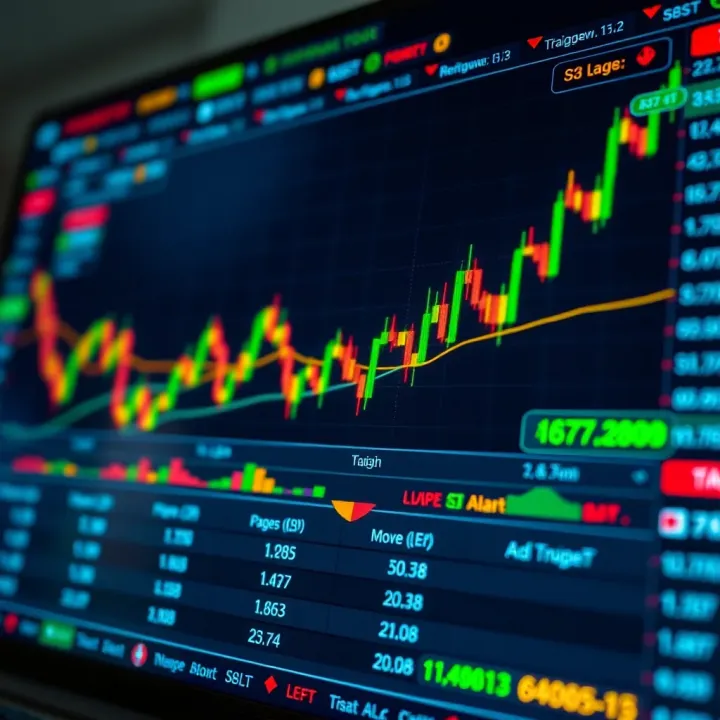
When selecting a forex broker in Kenya, it's essential to confirm their licensing and regulation status. The Capital Markets Authority (CMA) is the main regulator overseeing forex brokers in Kenya. A CMA-regulated broker offers more protection and transparency compared to unregulated providers. Examples of local and international brokers active in Kenya include FXPesa, HotForex, and XM.
Online trading platforms like MetaTrader 4 (MT4) and MetaTrader 5 (MT5) are widely used due to their user-friendly interfaces and advanced charting tools. These platforms also offer leverage, allowing you to trade larger positions with smaller capital, but this comes with increased risk.
Understanding how to manage risk can protect your capital from heavy losses. Traders often use stop-loss orders and limit their exposure on any single trade. For example, risking 1-2% of your trading capital per trade helps keep losses manageable.
Always remember, forex trading is not a quick way to make money. It requires discipline, continuous learning, and an understanding of Kenya's financial regulations.
By grasping these fundamentals, you can approach forex trading in Kenya with greater confidence and reduce common pitfalls associated with online trading.
Forex trading offers a unique way to engage with the global economy directly from your computer or mobile device. Understanding what it entails and why many Kenyans find it attractive can help you decide if it suits your investment goals.
Forex trading, short for foreign exchange trading, involves buying and selling currencies. It’s the largest financial market worldwide, where traders speculate on the price movements of currency pairs, such as the US dollar against the euro or the Kenyan shilling against the US dollar. For a Kenyan trader, this market provides an opportunity to profit from shifts in exchange rates influenced by factors like economic news or political events.
Currencies are always traded in pairs because you’re essentially exchanging one currency for another. For example, in the USD/KES pair, if you believe the US dollar will strengthen against the Kenyan shilling, you buy the pair. Conversely, if you expect the shilling to gain, you sell. The first currency in the pair is the base currency, and the second is the quote currency. Understanding this is key, as profits or losses depend on the direction and size of the price changes in these pairs.
Thanks to widespread mobile internet coverage in Kenya and platforms like Safaricom’s M-Pesa, accessing the forex market online has never been easier. You can trade from Nairobi, Mombasa, Kisumu, or even smaller towns as long as you have a smartphone or laptop with an internet connection. This digital access removes traditional barriers like needing a broker’s physical office or significant capital upfront.
The forex market is known for its high liquidity, meaning you can buy or sell currencies quickly without affecting the price much. For example, during peak hours, you can enter or exit trades swiftly, which suits active traders aiming for quick profits. However, this also means prices can move rapidly, so understanding how to manage risk is essential to protect your investment.
Unlike the Nairobi Securities Exchange or other stock markets with fixed hours, the forex market operates 24/5. It opens Sunday evening and closes Friday evening in EAT (East Africa Time). This allows you to trade at times that fit around your schedule — early mornings, late nights, or breaks during the day. For many Kenyans juggling jobs or businesses, this flexibility is a big advantage.
Forex trading online offers Kenyans a flexible, accessible gateway to participate in the world's biggest financial market, but it demands clear understanding and careful risk management to succeed.
Trading forex requires more than luck; it needs knowledge of currency pairs, awareness of how market hours affect trading, plus a reliable internet connection. Like any other investment in Kenya's hustler economy, being prepared helps prevent common pitfalls and increases chances of success.
Choosing the correct forex broker is a cornerstone for anyone aiming to succeed in the Kenyan online forex market. A good broker not only opens doors to global currencies but also offers a reliable, fair, and user-friendly trading environment tailored to Kenyan traders' unique needs. The choice affects the trading costs, ease of fund management, and regulatory assurance, all of which impact your bottom line.
Kenya's Capital Markets Authority (CMA) oversees forex brokers to ensure they operate within the law and in the interest of investors. Selecting a CMA-regulated broker means you trade under a framework that demands transparency and accountability. This reduces the chance of encountering fraud or unfair trading practices. For example, brokers like Nairobi-based Niti Capital are CMA-licensed, giving traders an extra layer of confidence.

Forex brokers make money by charging spreads—the difference between buying and selling prices—and sometimes commissions per trade. Traders should compare these costs because slimmer spreads mean less expense and potentially higher profits. For instance, international brokers such as XM and Pepperstone often offer tight spreads but may charge a small commission on each trade. Kenyan traders should consider both to find what matches their trading style and budget.
Ease of moving money in and out of your trading account is vital. M-Pesa integration is a big plus for Kenyan traders since it offers fast, secure, and widely accepted mobile money transactions. Brokers accepting M-Pesa deposits and withdrawals save you the hassle of international bank transfers, which can be slow and expensive. Examples include HotForex and FXTM, which provide M-Pesa options alongside traditional methods.
Having a local office or representation can be reassuring. Local brokers understand Kenya’s market better and often provide customer support in familiar languages and time zones. However, international brokers may bring broader currency options, advanced trading platforms, and deeper liquidity. The trade-off lies between convenience and features. Kenyan traders might start with a local broker like Niti Capital and graduate to global platforms such as IG or Saxo Bank once familiar.
Brokers usually offer several account packages to accommodate various budgets and experience levels. Entry-level accounts often require low minimum deposits, sometimes as little as KSh 5,000, allowing beginners to test the waters. Higher-tier accounts cater to active traders with benefits like reduced spreads or premium support. A Kenyan trader should choose an account type that fits their capital and trading goals; for example, XM offers Micro accounts ideal for new traders keen to start small.
"Selecting the right broker involves balancing trust, cost, and convenience, especially in Kenya where mobile money and local regulation shape trading experience."
In summary, understanding broker regulation, cost structure, and payment options in Kenya helps traders invest with confidence. Start by researching CMA-licensed brokers with M-Pesa support and clear fee schedules. Then, consider your account needs and whether you prefer local or international firms to make a fully informed choice.
Forex trading platforms and tools are the heart of online forex trading, providing the interface and technology traders rely on to access markets, manage trades, and analyse price movements. For Kenyan traders, having the right platform means more than convenience; it affects speed, security, and the ability to capitalise on market opportunities effectively. A dependable platform handles real-time data efficiently and supports various trading strategies, which can make or break a trade.
MetaTrader 4 (MT4) and MetaTrader 5 (MT5) are among the most popular forex trading platforms globally and in Kenya. MT4, known for its user-friendly interface and robust technical analysis tools, remains a favourite for beginners and experienced traders alike. It offers a broad range of built-in indicators, customizable charts, and supports automated trading through Expert Advisors (EAs). Although MetaTrader 5 is the newer version, adding more advanced features like more timeframes and expanded backtesting options, many Kenyan brokers still offer both platforms to cater to different trading needs.
On the other hand, cTrader has gained traction as an alternative platform valued for its modern look and advanced order execution capabilities. It offers features such as level II pricing, which reveals market depth, important for traders who need detailed order book information. Its clean layout and fast execution help day traders and scalpers who rely on sharp timing. Some brokers in Kenya provide proprietary platforms designed specifically to integrate local payment options like M-Pesa, combining straightforward usability with tailored services for Kenyan clientele.
Smartphones have revolutionised how Kenyans engage with forex markets. Mobile forex trading allows users to monitor markets and place trades from anywhere, whether commuting in a matatu or relaxing at home. This flexibility is crucial given the 24-hour nature of forex markets and Kenya's growing internet and smartphone penetration. With many brokers offering mobile apps for Android and iOS, traders don't need to be tied to a desktop to respond quickly to market movements.
Mobile trading apps typically include essential features like price alerts, technical indicators, and charting tools, allowing traders to analyse and react on the go. For instance, if the Kenyan shilling suddenly strengthens against the US dollar due to market news, a trader can quickly set stop-loss orders or execute a trade directly from the app. Besides convenience, these apps often come with security measures such as biometric logins to protect user accounts. This makes mobile trading not just practical but also safe for Kenyan traders balancing forex activities alongside daily routines.
Choosing the right platform and tools tailored to your trading style and lifestyle can significantly influence your success in forex trading. Whether it's the familiarity of MetaTrader or the innovation of cTrader and mobile apps, understanding your options is key.
Successful forex trading often depends on combining both fundamental and technical analysis. Fundamental approaches look at economic indicators and news that affect currency values, while technical approaches use past price data to predict future movements. Both methods give traders a balanced view and help Kenyans make more informed decisions in the dynamic forex market.
Charts and indicators are at the heart of technical analysis. Traders use charts like line, bar, or candlestick charts to visualise price movements over time. These charts help highlight patterns and trends which might not be obvious at a glance. Indicators such as Moving Averages, Relative Strength Index (RSI), and Bollinger Bands provide measurable signals based on price data. For example, a Kenyan trader might use a moving average crossover on a USD/KES pair to decide when to enter or exit a trade, relying on the indicator to spot momentum shifts.
Trend lines and support/resistance levels help identify critical price points where a currency pair changes direction or pauses. A trend line connects the highs or lows on a chart, revealing the general direction of price movement. Support levels act like a floor where prices tend to stop falling, while resistance levels act like a ceiling, capping upward movement. In practice, if the USD/KES pair approaches a known resistance level but fails to break it decisively, a trader might anticipate a price drop and prepare to sell or short the currency.
Day trading and scalping involve making quick trades to profit from small price changes. Day traders in Nairobi may open and close multiple trades during market hours, avoiding overnight exposure. Scalping is even faster, focusing on gaining tiny profits over minutes. These approaches require constant attention and quick decisions, ideal for traders who can monitor platforms like MetaTrader 4 closely throughout the day.
Swing trading takes a medium-term approach, holding positions for several days or weeks to capture larger price movements. Kenyan traders might use swing trading during major economic announcements such as Central Bank of Kenya rate decisions or US Federal Reserve meetings since these often cause significant price swings in currency pairs.
Use of leverage responsibly is vital to managing risk. Leverage lets traders control larger positions with a smaller capital amount, increasing potential profits but also losses. For example, using 1:100 leverage means a KSh 10,000 deposit controls a KSh 1,000,000 position. It’s crucial to use tools like stop-loss orders to limit losses and never risk more than you can afford to lose. Responsible leverage use ensures that a few bad trades don’t wipe out your trading account.
Combining these fundamental and technical skills can significantly improve your chances of sustained success in Kenya’s online forex market. Understanding when to trade, what tools to use, and how to protect your investment lays a solid foundation in this competitive field.
Managing risks is the backbone of successful forex trading, especially when dealing with volatile currency markets. Without a solid risk management plan, even the most promising trades can end up hurting your account. Kenyan traders often face unique challenges like fluctuating local currency rates and limited market knowledge, so protecting your investment isn’t just advisable — it’s necessary.
One of the most dependable ways to control risk is by setting stop-loss and take-profit orders. A stop-loss order automatically closes your trade once the price moves against you beyond a certain point. For example, if you buy the USD/KES pair expecting the dollar to strengthen, but it drops instead, the stop-loss prevents further losses by exiting the position at a predefined level. Similarly, take-profit orders lock in gains by closing your position when the price hits a target profit level you set. This approach helps you stick to your trading plan and avoid the temptation to hold onto losing or winning positions too long.
Another key aspect is position sizing — deciding how much capital to put into a single trade. If you risk too large a portion of your trading account on one trade, a single loss could wipe out weeks of gains. For instance, if your account holds KS00,000 and you risk 10% (KS0,000) on a trade, a few losses back-to-back may prove devastating. Most experienced traders recommend risking just 1% to 3% per trade, which allows room to recover even in a rough patch. Proper position sizing balances your potential reward with the danger of losing too much, making sure you survive the ups and downs.
Overtrading and emotional decisions often trip up many traders. This happens when you make too many trades in a short time, driven not by strategy but by fear or greed. A trader might chase losses by doubling down or enter trades impulsively because of excitement. These emotional moves usually lead to bigger losses. To avoid this, stick to a well-defined trading plan, keep a journal of your trades, and take regular breaks. Remember, it’s better to miss a few “sure bets” than to gamble recklessly and drain your account.
Lack of research and preparation is another common pitfall. Some traders jump into forex without understanding how market events — such as Kenya’s Central Bank announcements or US Federal Reserve decisions — affect currency pairs. Without proper analysis, your trades become mere guesses. Before entering any trade, study the relevant economic data, follow reliable news sources, and review technical charts. Investing time in preparation builds confidence and helps you make informed decisions rather than relying on luck.
Consistently managing risks and avoiding common mistakes separates profitable traders from those who burn out quickly. The Kenyan forex market demands attention to detail, discipline, and steady learning to protect your hard-earned money.
In short, applying basic risk management tools and cultivating disciplined trading habits will help you navigate the forex market safely and grow your investment steadily over time.
Understanding Kenya’s regulatory environment is vital for anyone trading forex online in the country. It shapes the rules brokers and traders must follow, protecting investors and ensuring market integrity. With forex trading rapidly gaining popularity, especially among young Kenyans using mobile platforms like Safaricom’s M-Pesa for funding, knowing the legal landscape helps avoid pitfalls and promotes safer trading.
The Capital Markets Authority (CMA) is the main regulator overseeing forex trading activities in Kenya. Brokers that want to operate locally must obtain a licence from CMA. This process involves meeting strict standards around capital adequacy, technology infrastructure, and transparent business practices. For example, a broker licensed by CMA must have sufficient financial backing to handle client funds and disputes responsibly.
This licensing is practically important because it gives Kenyan traders confidence that their broker operates under local supervision. Non-licensed brokers may not adhere to Kenyan laws, increasing risks like fund mismanagement or fraud. Hence, before opening an account, traders should verify a broker’s CMA licence to ensure legal protection.
Apart from licensing, CMA enforces measures designed to safeguard investors. These include mandates for brokers to keep client funds in segregated accounts, separate from their operating capital. This arrangement ensures traders' money isn’t used for other business purposes or put at undue risk.
Moreover, CMA requires brokers to provide clear disclosures about trading risks, fees, and terms. Such transparency helps traders make informed decisions and avoid surprises. CMA also operates complaint resolution mechanisms for investors facing disputes. This regulatory framework enhances trust in the forex market and encourages responsible trading.
Traders should always work with brokers licensed by the CMA. This alliance provides layers of protection, including fund safety and avenues for recourse if issues arise.
Forex trading profits are taxable in Kenya, so traders must report income earned through forex gains to the Kenya Revenue Authority (KRA). This includes gains from currency trades done on local or international platforms. Keeping detailed records of transactions, deposits, and withdrawals is crucial for accurate reporting during tax filing.
Failing to report forex income can attract penalties and even legal action. For instance, a trader earning KSh 100,000 from forex gains should declare this income under capital gains in their annual tax return. Keeping digital and paper records helps simplify this process.
Forex gains typically fall under capital gains tax or income tax, depending on the nature and frequency of trading. The current Kenyan capital gains tax rate is 5%, while income tax rates vary and could be higher if trading is considered a business. Traders involved regularly and at scale may be classified as carrying on a business and taxed accordingly.
Complying with KRA requirements involves:
Registering for a Personal Identification Number (PIN) if not already done
Declaring earnings on the iTax portal
Keeping organised records for possible audits
This tax compliance ensures trading activities remain legal and helps avoid fines. Consulting a tax professional familiar with Kenyan tax law can clarify specific obligations based on one’s trading activity.
Navigating Kenya's regulatory and tax environment might seem daunting, but it serves to protect your investment and keep your trading above board. Always prioritise licensed brokers and maintain thorough records to stay on the right side of the law.
Explore Deriv Forex trading in Kenya 🇰🇪! Learn account setup, tools, risk management, and strategies for smart trading. Start your journey with confidence 🚀.
🤖 Explore bot trading in forex: understand how automated systems work, key benefits, risks, setup tips, and insights for traders in Kenya. 📈🇰🇪
Get clear on Asian forex session timing ⏰ for Kenyan traders 🇰🇪. Learn peak hours, top markets, and tips to boost profits while managing risks effectively.
Explore Deriv Limited's background, services, and regulations. Get essential insights on online trading in Kenya 🇰🇪 and how Deriv operates securely.
Based on 6 reviews