

Effective Derivative Trading Strategies for Kenyan Traders
Explore practical derivative trading strategies 📈, risk management tips, and examples tailored for Kenyan traders to make smart investment choices effectively.
Edited By
Isabella Scott
Derivatives have gained traction in Kenya’s growing financial markets, offering traders and investors tools to manage risk, speculate, and diversify portfolios. However, adding derivative instruments to trading platforms is no walk in the park. It demands a careful approach, from selecting the right technical infrastructure to ensuring compliance with Capital Markets Authority (CMA) regulations.
Implementing derivatives on a trading platform means understanding the unique risks involved—not only market risk but also counterparty, operational, and liquidity risks. Kenyan brokers and fintech developers need robust risk management systems that can track exposures in real-time and trigger safeguards automatically. For example, integrating risk dashboards that update with every trade helps traders avoid overexposure to volatility common in derivative markets.
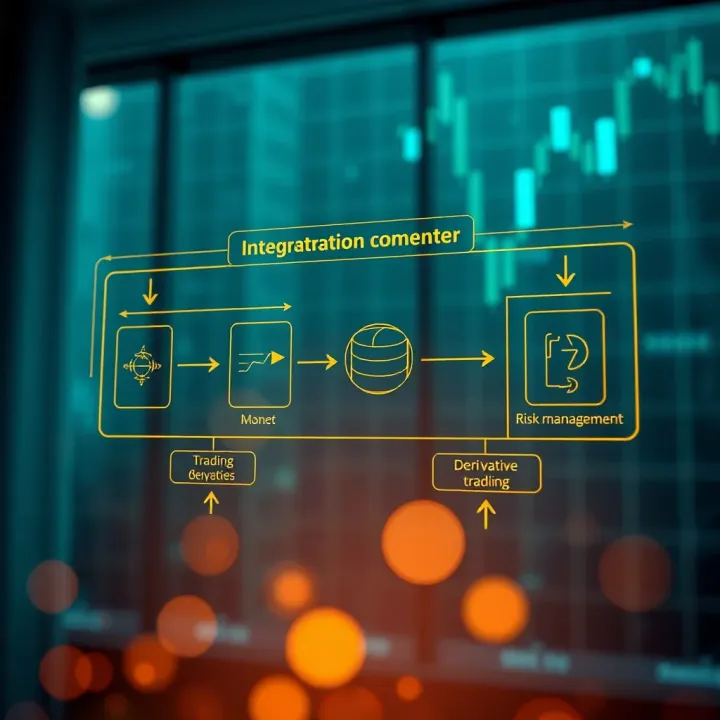
Infrastructure-wise, the platform must handle complex order types such as futures contracts, options, and swaps seamlessly. Latency and uptime matter a lot, especially when derivative prices can swing in seconds during active trading sessions. Using scalable cloud-based servers and reliable APIs can ensure the platform stays responsive and stable, even during market surges.
Compliance is key when dealing with derivatives. Kenyan trading platforms must align with CMA rules on disclosure, client protection, and reporting. This includes educating users on derivative risks and ensuring transparent pricing. Platforms should also incorporate AML (Anti-Money Laundering) and KYC (Know Your Customer) procedures that meet local standards.
Another practical step is tailoring derivative products to local needs. For instance, agricultural commodity futures can help Kenyan farmers hedge against price swings in maize or tea. Incorporating mobile money payments like M-Pesa into margin and settlement processes also makes the platform more accessible to Kenyan users.
Here is a quick checklist to consider:
Clear mapping of derivative types supported (futures, options, swaps)
Integrated risk management tools with real-time alerts
Low-latency execution and high system availability
Strong compliance measures aligned with CMA and KRA
User education on derivative market risks
Mobile-friendly payment and settlement options
Building a derivative-ready trading platform is challenging but rewarding. Those who get the balance right will empower Kenyan traders to navigate a more sophisticated financial market environment with confidence.
Understanding derivative instruments is key for anyone involved in trading platforms. These financial contracts derive their value from underlying assets like stocks, commodities, or currencies. Knowing how derivatives work helps traders and investors manage risk, explore new investment opportunities, and improve liquidity in markets. In Kenya’s growing financial sector, grasping derivatives gives players an edge in diversified portfolios and hedging unwanted price swings.
Futures are agreements to buy or sell an asset at a predetermined price on a specific future date. For example, a maize farmer in Eldoret can use a futures contract to lock in a price for their harvest months before selling. This protects against price drops during harvest season. In trading platforms, futures are popular because they standardise contracts, allowing easy buying and selling on exchanges rather than private negotiations.
Options give the holder the right, but not the obligation, to buy or sell an asset at a set price before expiry. This flexibility appeals to traders who want to limit losses but keep the chance of profit. For instance, an investor expecting Safaricom shares to rise might buy a call option, paying a premium upfront. If shares rise as expected, profits are made without holding the actual shares; if not, the loss is limited to the premium.
Swaps involve exchanging cash flows or assets between parties, often to manage interest rate or currency risks. A Kenyan importer might use a currency swap to hedge against the US dollar fluctuations impacting payment for imported goods. Forwards are similar to futures but customised and traded over-the-counter (OTC). A coffee exporter can use forward contracts to agree on dollar payment in advance, reducing uncertainty caused by currency swings.
Derivatives provide effective tools to reduce exposure to price risks. Small businesses in Nairobi dealing with fuel might hedge using futures to fix prices and avoid cost spikes. By locking in prices, they can stabilise budgeting and operations. This risk transfer is essential, especially in volatile markets, as it shields investors from sudden adverse changes.
While derivatives help hedge, they also attract speculators aiming to profit from price movements without owning the underlying asset. For example, a trader might speculate on the Kenya shilling’s future strength against the dollar using currency options. Speculators add liquidity to markets, but excessive speculation can raise volatility, so platforms must balance access with safeguards.
Derivatives, by allowing risk sharing and diverse participation, enhance liquidity in financial markets. More trades happen as investors and traders take opposite positions without moving the underlying asset. This increased activity aids price discovery and narrows bid-ask spreads. In Kenya’s evolving markets, improved liquidity through derivatives is an incentive for local and regional investors to engage.
Understanding these derivatives and their strategic uses empowers market participants to implement safer, more efficient trading platforms tailored to Kenyan contexts, enhancing financial inclusion and market depth.
The technical framework is the backbone of any derivatives trading platform. Without a solid infrastructure, executing complex trades or handling market fluctuations smoothly becomes difficult. This section focuses on the core aspects that build a reliable, efficient platform for derivatives trading, helping you understand how to put together systems that perform well under real market conditions.
Core trading engine capabilities form the heart of derivatives platforms. The engine must handle high-volume trades quickly and accurately, processing complex order types such as limits, stops, and conditional orders. For example, derivatives on NSE might involve futures contracts on equities that require rapid matching of buy and sell orders without delays. The engine should support high availability to avoid downtime, so traders don’t face interruptions during volatile market hours.
Real-time data processing is crucial for derivatives where prices and volumes can change within seconds. Accurate, up-to-the-second pricing lets traders make informed decisions and avoid losses caused by outdated information. In Kenyan markets, this might mean integrating with Safaricom’s M-Pesa payment system and local exchanges to ensure all data streams are timely and synchronised. Using event-driven architectures and in-memory databases can greatly reduce latency.
Integration with existing financial systems allows derivative platforms to connect with banks, clearinghouses, and regulators. This is particularly important for Kenyan operators who must link with KRA’s iTax or CMA’s monitoring systems to ensure compliance. Also, integration facilitates margin calls and settlement processing, making the trading lifecycle smoother. Open APIs and middleware help platforms plug into these systems without rebuilding existing infrastructure.
Black-Scholes and binomial models are widely used for pricing options contracts. Black-Scholes works well for European-style options with predictable expiry, while the binomial model handles American options permitting early exercise. In practice, these models provide initial theoretical prices that trading engines use to guide quotes and risk management. Kenyan fintech firms dealing with derivatives on agricultural commodities might use these models to estimate option prices before listing.
Market-driven pricing approaches adjust model outputs to reflect actual trading behaviour and supply-demand dynamics. They incorporate real-time bid-ask spreads and recent trade data to fine-tune prices. This helps prevent mispricings typical of purely theoretical models, particularly in less liquid markets. For example, a broker handling derivative contracts on NSE blue-chip stocks will rely on market-driven prices to stay competitive and avoid arbitrage risks.
Volatility considerations shape how derivatives are priced and risk assessed. Implied volatility derived from option prices indicates market uncertainty, while historical volatility measures past price swings. Platforms must monitor volatility continuously because sudden spikes, like Kenya’s political season or unexpected weather affecting crops, can drastically alter valuations. Effective volatility management helps in setting proper premiums and margin requirements.
Handling of complex order types is vital to meet diverse trader strategies. Platforms must support advanced orders like stop-limit, iceberg, or trailing stops, allowing users to automate their risk control. For instance, institutional investors in Nairobi might wish to spread large derivative positions discreetly using iceberg orders so as not to disrupt the market price.

Latency reduction strategies minimise delays between order submission and execution. In derivatives trading, even milliseconds can mean the difference between profit and loss. Employing direct market access (DMA), colocated servers near the NSE trading floor, and optimised network routes reduces lag. For a local trader in Mombasa, this ensures better execution prices and less slippage.
Trade confirmation and reporting provide transparency and help meet regulatory standards. Instant notification of executed trades and detailed reports aid traders in tracking performance and verifying transactions. Reporting also supports Kenyan regulators requiring audit trails under CMA guidelines, ensuring that both brokers and clients have reliable records.
Strong technical frameworks improve both trader confidence and regulatory compliance, creating a platform that works well in Kenya’s evolving financial markets.
Risk management is a vital element when operating derivatives trading platforms. Derivatives, by nature, carry various risks that can expose investors, brokers, and the platform itself to significant losses if not properly handled. Kenyan traders and fintech professionals must understand these risks to navigate the local market safely and maintain confidence among users.
Market risk refers to the potential loss arising from changes in market factors like prices, interest rates, and exchange rates. For example, a trader using futures contracts on Kenyan coffee prices may face losses if prices drop unexpectedly due to external shocks like global supply oversupply or policy changes. An effective market risk analysis involves monitoring price volatility and establishing limits on positions that traders can hold to avoid exposing the platform to excessive losses.
Credit risk is the possibility that counterparties, such as brokers or clearing members, fail to meet their financial obligations. This issue becomes acute in derivatives trading where contracts often involve future payments. For instance, if a counterparty in a swap agreement in the Nairobi Securities Exchange (NSE) defaults, the other party stands to lose significantly. Platforms should assess the creditworthiness of participants regularly and enforce mechanisms like collateral demands or credit limits to restrain credit risk.
Liquidity risk deals with the difficulty of buying or selling derivative contracts without causing large price swings or delays. In Kenya's relatively nascent derivatives market, low trade volumes can result in poor liquidity, which might leave traders unable to exit positions at favourable prices. Platforms need to ensure there are sufficient market makers or create incentives to boost trading activities, thereby reducing the likelihood of liquidity bottlenecks.
Hedging involves taking offsetting positions in related instruments to reduce overall risk. For example, an investor holding a portfolio of maize futures could hedge by buying options that gain value if maize prices fall. This reduces exposure to direct price drops. Kenyan platforms can encourage such strategies by offering a range of derivative products and educating traders on their use for managing risks.
Demanding margins ensures traders deposit a portion of the contract value upfront to cover potential losses. This system protects the platform from default risks and ensures participants have a stake in their trades. Effective collateral management includes regular margin calls and the use of liquid assets like government bonds or cash equivalents. In Kenya, clear margin policies help build trust by showing the platform’s readiness to cover losses without affecting other users.
Stress tests simulate extreme market conditions to assess how the platform and its users would respond. For example, testing how a sudden 20% drop in the NSE 20 Index affects open derivatives positions helps identify vulnerabilities. Scenario analysis also covers regulatory changes or geopolitical risks affecting East African markets. Regular stress testing informs better decision-making and prepares the system for unexpected shocks.
Managing risk is not just about avoiding losses but about maintaining a stable, trustworthy environment where traders and investors can operate with confidence. Kenyan derivatives platforms that actively identify, measure, and reduce risks stand a better chance of long-term success and market adoption.
By focusing on these aspects, financial institutions and platform developers can create safer trading environments tailored for the dynamic and growing East African financial landscape.
Building a derivatives trading platform without thorough attention to regulation and compliance risks exposing your business to legal consequences, financial loss, and reputational damage. To operate smoothly in Kenya's financial ecosystem, platforms must align with the Capital Markets Authority (CMA) guidelines and international standards. These frameworks ensure market integrity, protect investors, and promote transparency.
The Capital Markets Authority (CMA) regulates all capital market activities in Kenya, including derivatives trading. Its role is to license operators, set operational rules, and supervise compliance to protect investors and maintain fair markets. For instance, the CMA recently issued detailed guidelines on how derivatives platforms should handle client funds and manage counterparty risk. Without CMA approval, a platform cannot legally offer derivative products such as futures or options to Kenyan investors.
The CMA's supervision helps prevent market abuses like insider trading and manipulation. It also enforces transparency in product disclosures, crucial for traders who need to understand risks before engaging. For fintech firms entering this space, early engagement with CMA helps smooth the licensing process and avoids costly regulatory pitfalls.
Before a derivatives platform can start trading, it must satisfy CMA’s licensing criteria — including adequate capital, strong governance, and robust risk management processes. Platforms need to demonstrate system security, data protection measures, and operational resilience against cyber threats. For example, a platform using cloud infrastructure must prove compliance with CMA’s data residency policies.
Operational requirements extend to staff qualifications, internal controls, and clear conflict of interest policies. The CMA demands regular reporting on trades, client onboarding procedures, and complaints resolution. Such controls build investor confidence by ensuring the platform operates transparently and reliably.
Kenya’s membership in the East African Community (EAC) opens doors for regional derivatives trading but brings extra layers of regulation. Platforms must comply not only with CMA but also with regulations set by neighbouring regulators like Uganda’s Capital Markets Authority and Tanzania Securities Exchange.
Cross-border trading involves currency risk, settlement coordination, and harmonising trading hours. Restrictions may apply on foreign investor access or capital movement, so platforms must design systems to handle varying EAC rules. For example, a Kenyan platform allowing Ugandan traders must ensure trades settle correctly under both countries’ legal frameworks.
Continuous transaction monitoring is vital to detect irregular trading patterns or suspicious activities that might indicate fraud or market manipulation. Derivatives platforms employ automated surveillance tools that flag unusual volumes, sudden spikes in volatility, or wash trades for closer inspection.
This helps firms respond swiftly to protect market integrity and satisfy CMA reporting requirements. In Kenya, a platform flagged for poor transaction monitoring risks penalties or licence revocation.
Given the complexity and volume of derivative trades, platforms must implement rigorous AML controls. This includes conducting customer due diligence (CDD), verifying identities, and monitoring transactions for signs of money laundering or terrorist financing.
Adherence to AML standards is monitored by both the Financial Reporting Centre (FRC) and CMA in Kenya. Non-compliance can lead to hefty fines and damage the platform’s reputation, making strong AML policies both a legal necessity and a trust-builder among users.
Platforms are required to undergo periodic internal and external audits to verify compliance with financial and operational regulations. These audits focus on system security, financial records, and adherence to risk management policies.
Additionally, transparent disclosures about product risks, fees, and terms are mandatory to inform investors properly. These practices help maintain an open, trustworthy marketplace where both traders and regulators have confidence in the platform’s operations.
Strong regulatory compliance is not just a requirement but a foundation for trust and long-term success in derivatives trading.
In sum, integrating regulatory and compliance measures thoughtfully positions a derivative trading platform to grow sustainably within Kenya and the broader East African market. It also reassures investors and partners that their funds and interests are handled responsibly.
Implementing derivatives on trading platforms is no walk in the park. It requires addressing several hurdles to ensure smooth operations and trustworthy services. Overcoming these challenges is critical because derivatives are complex financial tools that demand precise technical handling, robust risk controls, and widespread market understanding. If platforms stumble on these fronts, they risk losses, poor user adoption, or regulatory penalties.
Ensuring system scalability
Scalability is about preparing your trading platform to handle growing numbers of users and transaction volumes without slowing down or failing. For derivatives, this is even more vital because trade volumes can surge quickly during volatile market phases. Imagine a Kenyan trading platform that works fine during calm days but crashes when the NSE (Nairobi Securities Exchange) enters a busy period—investors lose trust fast. Technical solutions, like cloud infrastructure or microservices architecture, allow platforms to scale resources dynamically as demand spikes.
Data accuracy and latency issues
Derivatives depend heavily on timely, accurate data. Price feeds, market depth, and real-time valuation models all require minimal delays. Even a slight delay or incorrect data can lead to wrong pricing, triggering unexpected losses. Platforms must invest in reliable data providers and technologies that minimise latency. For example, integrating direct feeds from NSE or global benchmarks with proper data validation helps guard against errors. Fast networks and efficient code reduce lag, ensuring traders receive instant execution confirmations.
Handling operational risks
Operational risks include system failures, human errors, and cybersecurity threats. Derivative platforms must have strong backup systems, error-checking mechanisms, and cybersecurity measures to protect client funds and data privacy. For instance, a platform operating in Kenya should have disaster recovery plans that cover power outages common in some regions and use two-factor authentication to prevent unauthorized access. Regular audits and staff training also lower the chance of mistakes that could cripple the platform.
Building investor awareness
Many Kenyan investors still find derivatives tricky due to their complexity and perceptions of high risk. Raising awareness is essential. Platforms can run campaigns explaining benefits and practical uses of derivatives in managing investment risk. Showcasing success stories, such as how a maize farmer could hedge future prices to avoid losses, helps demystify the products. It builds confidence and trust, encouraging more participation.
Training for brokers and traders
The technical nature of derivatives means brokers and traders must understand the instruments thoroughly to guide clients well and avoid costly mistakes. Training workshops, certification programmes, and continuous professional development ensure that market players stay updated on product features, regulatory requirements, and risk management techniques. For example, a Nairobi brokerage might organise sessions on margin calculations and settlement procedures to improve service quality.
Creating transparent product information
Clear, straightforward information about derivative products is a must. Investors should easily find details on contract specifications, fees, risks, and exit strategies. Avoiding jargon and providing FAQs tailored to Kenyan investors enhance understanding. Transparent product sheets and easy-to-navigate interfaces reduce confusion and protect investors from making uninformed decisions. This transparency also helps platforms meet regulatory disclosure requirements smoothly.
Addressing technical challenges and focusing on education builds a strong foundation for trust and growth in the Kenyan derivatives market. Without these, platforms risk operational mishaps and poor uptake, which can stall the potential benefits derivatives offer.
Launching a derivative trading platform demands careful planning and clear strategies to ensure it meets the needs of the market while staying compliant. Practical tips provide a hands-on guide that helps traders, fintech professionals, and brokers avoid common pitfalls and build a platform that is reliable, secure, and attractive to users. From understanding market readiness to choosing the right technology and engaging key players, these tips streamline the complex process involved.
Before investing significant resources, conducting market research is vital to confirm there is real demand for derivatives trading in the target region. In Kenya and broader East Africa, this means assessing investor appetite, typical trading volumes, and types of derivatives likely to succeed. For example, one can analyse how local coffee and tea producers might use futures to hedge price fluctuations. Feasibility studies should consider regulatory conditions, competition, and infrastructural readiness, ensuring the platform will be functional and profitable.
Choosing the right technology forms the backbone of a robust derivatives platform. Key factors include system scalability to handle surges in trading activity, real-time data processing speed, and integration with payment solutions like M-Pesa for quick settlements. For instance, adopting cloud-based architectures can support scalability without heavy upfront investment. Meanwhile, selecting software with low latency can improve user experience, especially for traders placing time-sensitive orders.
Rolling out a pilot phase before full launch allows operators to identify technical bugs and user difficulties in a controlled environment. Feedback from a small group of active traders and brokers is crucial for fine-tuning functionalities such as order execution, risk management tools, and trade reporting. For example, a pilot in Nairobi’s fintech hub might reveal the need to simplify option contract interfaces. This stage minimises risks by ensuring the platform delivers on user expectations before investing in a wider rollout.
Strong partnerships with banks, clearinghouses, and brokerage firms open doors to wider market participation and enhance platform credibility. Local banks can provide critical services like collateral management and settlement clearing while brokers offer access to a broader investor base. An example could be cooperating with Equity Bank to offer financing facilities for margin accounts, thereby attracting diverse clients.
Maintaining an open channel with regulatory bodies like the Capital Markets Authority (CMA) is necessary to ensure compliance with licensing, reporting, and operational standards. Early engagement makes it easier to adapt the platform to evolving regulations and avoid penalties. Engaging regulators can also build trust, showing commitment to transparency and investor protection, which is essential for long-term success.
Trust is the currency of financial platforms. Transparent fee structures, clear communication about risks, and strong security measures reassure users. Educational programmes on derivatives trading and regular updates about system performance help build confidence. For instance, publishing monthly reports on trade volumes and executed hedge transactions can demonstrate platform reliability. Building this trust encourages ongoing usage and attracts more investors to the platform.
Practical success in derivatives trading platforms comes as much from managing relationships and user experience as from technical prowess or regulatory compliance.
By following these practical strategies, platforms can position themselves for sustainable growth and greater impact within Kenya’s emerging derivatives market.
Explore practical derivative trading strategies 📈, risk management tips, and examples tailored for Kenyan traders to make smart investment choices effectively.

🤖 Learn how to set up and use Deriv bots for smarter trading. Master risk management, boost performance, and adapt strategies to market changes.

Explore CFD trading in Kenya 🇰🇪 with this practical guide: learn how it works, key strategies, market access, risks, and tips to trade smarter 📈.
📈 Learn how to track the Asian trading session in Kenyan time, understand its market hours & gain tips to trade smart during this key financial window.
Based on 13 reviews