

Understanding Deriv.com Bot: Features and Safety
Explore how Deriv.com bot works, its features and safe usage tips. Perfect for Kenyan traders seeking smart automated trading 🤖📈🇰🇪
Edited By
Isabella Green
DerivBot is an automated trading robot built for use on the Deriv platform. It helps traders by automatically executing digital options and forex trades based on algorithms and preset strategies. This tool aims to reduce the manual work involved in monitoring markets and placing trades, letting users focus on optimising overall strategy instead.
Kenyan traders have increasingly adopted DerivBot as part of their trading toolkit. It fits well with fast-paced lifestyles where constant chart watching may not be feasible. By setting clear parameters, traders can let the bot run trades even when they are away from their computer or smartphone.
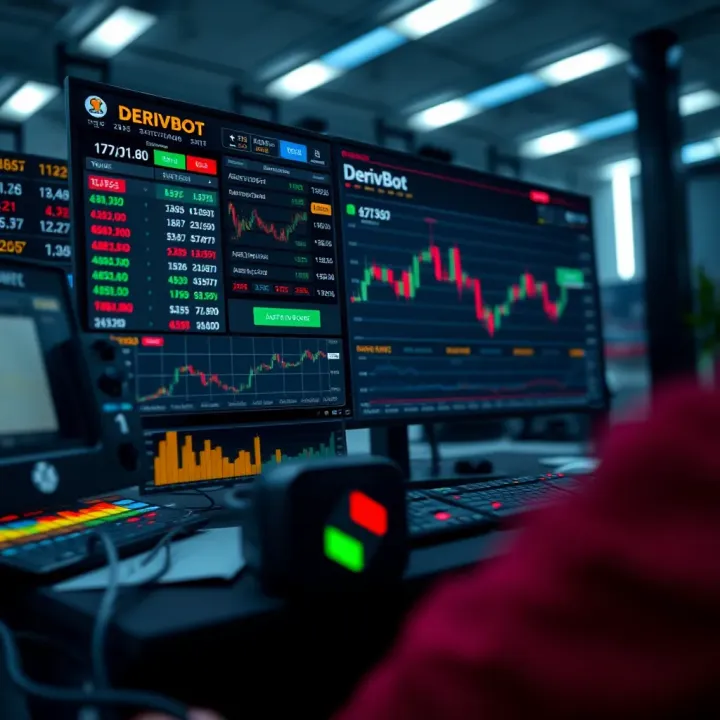
The robot supports several features including multiple trading strategies, real-time indicators, and risk management controls like stop-loss and take-profit limits. Users can customise the bot according to their risk appetite and market preferences. For example, a trader might opt for a conservative approach that trades only during stable market hours.
Setting up DerivBot is straightforward. After linking it with your Deriv account, you select your trading instrument, define stake amounts and risk settings, and the bot starts analysing market movements. Kenyan traders should take time to test settings using demo accounts before going live, considering local factors such as internet reliability and market volatility.
Automated trading tools like DerivBot can increase efficiency but come with risks. It’s essential to understand the platform rules and Kenyan regulations to avoid unexpected setbacks.
Some practical benefits include eliminating emotional trading errors, saving time, and allowing quick reaction to market changes. However, users must be aware of downsides such as system bugs, overreliance on automation, and sudden market crashes that may cause losses.
In summary, DerivBot offers Kenyan traders a hands-off method to engage in forex and digital options trading on Deriv. Understanding its features, setup, and limitations is critical for making informed trading decisions and managing risks effectively.
Understanding what DerivBot is and how it operates is vital for anyone considering automated trading on the Deriv platform. This section breaks down the practical elements of the bot, illustrating how it can assist traders in making quicker decisions, diversifying trading activities, and managing risks more effectively.
DerivBot automates trades on the Deriv platform by executing pre-set trading commands based on programmed strategies. Rather than manually entering trades, users can configure the bot to place trades for them, saving time and reducing the emotional impact often associated with live trading. For example, a busy Kenyan trader juggling work and side hustles might rely on DerivBot to monitor market movements and execute trades during off-hours.
The bot supports several types of markets and instruments, including digital options and forex pairs. This means you can trade commodities like gold or currencies such as USD/KES within the same automated setup. The practical benefit here is clear: DerivBot allows users to tap into multiple markets without switching platforms or inputting trades manually, streamlining the trading process.
At its core, DerivBot functions using a combination of trading signals and algorithms that interpret market movements. For instance, it can identify patterns like price breakouts or retracements and place trades accordingly. This basic operation enables users with limited market experience to engage in trading with reduced stress and improved speed.
Trading signals form the backbone of DerivBot’s strategies. These signals are generated by analysing price action, volatility, and other technical indicators. For example, the bot may use Moving Average Convergence Divergence (MACD) crosses or Relative Strength Index (RSI) thresholds to decide when to buy or sell. Such strategies help traders avoid the guesswork and focus on systematic trading approaches.
The user interface of DerivBot is designed with flexibility in mind. Users can customise parameters like asset choice, trade duration, and risk levels—often through simple dropdown menus or sliders. This means a novice trader can quickly set a conservative risk level, while an experienced one might choose to increase investment amounts or tweak expiry times to better suit their style. The interface provides clear feedback on open trades and historical performance, helping users track how well the bot performs and make informed adjustments.
Using DerivBot is not just about automation; it’s about combining the power of technology with user-driven control to fit individual trading goals and risk appetite.
By understanding its key features and functions, Kenyan traders can decide how best to integrate DerivBot into their trading routines, balancing automation with their own oversight.
Setting up and using DerivBot in Kenya calls for understanding both the technical steps and local practicalities. Kenyan traders gain from knowing how to link their Deriv accounts, configure parameters suited for local market conditions, and handle payments through familiar methods like M-Pesa. This ensures smooth automation without surprises or delays.
Registering on Deriv platform is the first step to start automating trades. The process involves signing up on the Deriv website, providing personal identification details, and verifying your email. This is necessary to ensure compliance with regulations and to protect against fraud. For Kenyan users, registration is straightforward and does not require complicated paperwork, but accuracy in filling details is key to avoid account suspension during verification.
Once registered, connecting the bot securely to your Deriv account is crucial. The bot uses API keys – unique codes provided by Deriv – to execute trades on your behalf. Safeguarding these keys is important to prevent unauthorised access. For instance, avoid sharing the keys publicly or storing them in easily accessible places on your device. Many Kenyan traders prefer storing API keys in encrypted files or password managers to enhance security.

Choosing assets and expiry times lets you tailor the bot’s activities to your preferences and market trends. DerivBot supports a range of assets such as forex pairs, indices, and commodities. By selecting assets you understand—like EUR/USD forex pair or Brent crude—the trading becomes more manageable. Picking appropriate expiry times (for example, 1 minute to 1 hour) affects how quickly trades resolve, which is important as Kenyan financial markets often influence asset moves during specific trading hours.
Setting risk levels and investment amounts determines how much of your capital is exposed per trade. Setting these parameters carefully prevents overexposing your account to losses. Kenyan traders commonly start with low risk, investing a small portion of their funds (say KSh 500) per trade to test strategies. Adjustments can be made as confidence and experience grow. It’s best to avoid maxing out investments early on to protect long-term capital.
One of the benefits for Kenyan users is seamless funding of your Deriv account using M-Pesa. This popular mobile money service allows quick transfers from your phone to your Deriv wallet without involving complicated bank procedures. Deposits usually reflect within minutes, letting you start trading promptly.
Withdrawing profits to M-Pesa is equally straightforward, providing you with easy access to earned funds in Kenyan Shillings. However, expect withdrawals to take a short time (up to 24 hours) depending on Deriv’s processing and payment schedules. Always double-check withdrawal instructions to avoid delays, such as entering the correct phone number linked to M-Pesa.
When using DerivBot in Kenya, connecting your account securely and managing funds through reliable local channels like M-Pesa can make automated trading practical and trustworthy. Careful setup and parameter choices help safeguard your investments against common pitfalls.
By following these steps and using local payment methods, Kenyan traders can make the most out of DerivBot's automation while keeping control of their funds and risks.
Understanding the strengths and weaknesses of DerivBot is essential for Kenyan traders who want to use it effectively. While this trading robot can offer significant conveniences, it also comes with risks that need careful consideration. Knowing what to expect helps traders make smarter decisions and manage their investments better.
DerivBot automates trading tasks that would otherwise take hours of manual work. For example, instead of sitting at a computer all day watching charts and placing trades, you can set parameters once and let the bot execute trades on your behalf. This is particularly useful for busy professionals or those juggling multiple responsibilities. In Nairobi’s fast-paced environment, having a tool that handles ongoing market fluctuations can free up your time without missing trading opportunities.
Trading decisions often get clouded by emotions like fear or greed, which leads to poor choices. DerivBot sticks to preset rules and strategies without letting feelings interfere. This discipline helps avoid rash moves like panic selling during a market dip or chasing losses by increasing stakes recklessly. For instance, if the bot is programmed to stop trading after a certain loss limit, it won’t push beyond that even if the trader feels tempted to recover quickly.
Markets operate around the clock, especially forex, and DerivBot can keep pace by trading all day and night without breaks. Unlike human traders who need rest or sleep, the bot can monitor opportunities continuously, including outside Nairobi’s usual business hours. This persistent presence allows it to take advantage of favourable conditions whenever they arise, increasing chances of gains from volatile markets that might move wildly overnight.
No system is perfect, and automated bots like DerivBot can suffer technical problems such as server outages, software bugs, or connection errors. During these times, the bot might fail to execute trades or make incorrect decisions, potentially causing losses. For example, if Nairobi’s internet connection drops temporarily or the Deriv platform undergoes maintenance, your bot might stop functioning as expected until the issue is fixed.
Although DerivBot aims to follow strategies, it does not guarantee profits. Trading inherently carries risks, and automated bots can execute many trades quickly, which might lead to overtrading. This happens when the bot trades too frequently without enough analysis, wearing down your account balance fast. Kenyan traders should keep a close eye on the settings to avoid excessive risk, especially when using borrowed funds or marginal investments.
DerivBot relies heavily on continuous internet access and the stability of the Deriv platform itself. Interruptions in connectivity can cause missed trades or delayed execution, while any glitches on the platform can impact overall performance. In parts of Kenya where internet coverage is inconsistent, or power outages happen, this dependence becomes a practical limitation. It’s wise to ensure you have reliable access and consider backup options to keep your trading smooth.
Effective use of DerivBot means balancing its automated strengths with the realities of technology and market risks. Staying informed and cautious protects your investments while making the most of available tools.
Navigating the legal and safety landscape is vital for Kenyan traders using tools like DerivBot. Understanding local regulations and protecting yourself from scams can save you from costly legal troubles and financial losses. This section covers the key rules and precautions every trader should know.
The Capital Markets Authority (CMA) is Kenya’s main regulator for trading activities. It oversees brokers, trading platforms, and investment products to ensure they follow Kenyan laws and protect investors. For a trading bot like DerivBot, CMA regulation means the underlying platform (Deriv) must be compliant with Kenyan market standards or operate under recognised international rules accepted locally.
Kenyan traders should check if the trading platform or bot is licensed or authorised to operate within Kenya’s jurisdiction. For example, platforms registered by the CMA must disclose risks clearly and implement safeguards against fraud. These measures help maintain market integrity and reduce exploitative practices.
Operating legally requires adherence to CMA guidelines, including registering as a trader, declaring income from trading on tax platforms like iTax, and using licensed intermediaries for transactions. Kenyan law also demands transparency on fees, terms, and risk advice, which safeguards users from deceptive trading services.
Verifying the authenticity of trading bots is crucial before investing your money. Look for bots with positive reviews from credible sources and endorsements from trusted Kenyan fintech professionals or regulators. Also, ensure the bot connects securely with verified accounts, protects your login details, and does not promise guaranteed profits — such claims are often a red flag.
Common red flags include platforms that pressure you to invest large sums quickly, ask for extra fees beyond deposits, or lack clear contact information. Bots that require you to share passwords, personal identification, or ask for payments outside secure methods like M-Pesa or bank transfers should be avoided. If a trading service sounds too good to be true, it probably is.
Always prioritize transparency and security. Use only recognised platforms and confirm a bot’s legitimacy through official channels before trading.
By keeping these legal and safety considerations in mind, Kenyan traders can better protect their investments while making use of automation tools such as DerivBot.
Using DerivBot effectively demands more than just setting it and forgetting it. To truly benefit from automated trading, you need clear strategies, proper monitoring, and keen awareness of the markets. This section lays out practical advice to help you navigate DerivBot trading without falling into common pitfalls.
Deciding daily investment amounts is vital to protect your capital and manage risk. Instead of going all in, allocate only a portion of your total trading funds each day—say 5-10%—to keep losses manageable. For example, if you have KSh 50,000 set aside for Deriv trading, investing KSh 2,500 to KSh 5,000 daily prevents overexposure to market swings. This approach also makes it easier to track performance and adjust your strategy without draining your account quickly.
Knowing when to stop or adjust strategies safeguards against chasing losses or sticking to losing tactics. DerivBot is automated but not infallible—markets can behave unpredictably due to news or volatility. Set clear stop-loss limits or target profits, and if your bot hits these limits repeatedly, pause to review the settings. For instance, if you've experienced a 10% loss over a few sessions, stop trading and reassess your risk tolerance and market conditions before continuing.
While DerivBot handles the repetitive trading tasks, monitoring trades regularly ensures your bot acts as expected. Check your account daily to confirm trades align with your intended risk and asset choices. This oversight helps catch errors like wrong parameters or unexpected market moves. For example, if the bot keeps buying forex pairs during a calm market instead of focusing on volatile assets, you can tweak settings to match your goals.
Intervening during unexpected market changes is another crucial practice. Automated bots lack judgment for sudden events like political unrest or economic announcements. If, say, the Central Bank of Kenya (CBK) announces a surprise interest rate change, markets may react sharply. In such cases, pause or adjust the bot to avoid unnecessary losses until the situation stabilises.
Successful DerivBot users learn from local and global market news to understand forces behind price movements. Kenyan traders should watch regional developments such as East African Community trade updates or agricultural forecasts, as these can impact forex rates and commodities. Accessing trusted sources like the Capital Markets Authority (CMA) reports and business news helps you stay informed.
Finally, adjusting bot settings accordingly lets you respond to shifting market conditions. For example, if the forex market shows higher volatility due to global currency shifts, increase your bot’s risk tolerance or shorten trade expiry times to capitalise on moves. Conversely, during quiet markets, dial down investment amounts or pause trading to preserve capital.
Smart trading with DerivBot blends clear planning, active management, and market awareness. This approach keeps your automated trading effective without exposing you to unexpected losses or missed opportunities.
Explore how Deriv.com bot works, its features and safe usage tips. Perfect for Kenyan traders seeking smart automated trading 🤖📈🇰🇪
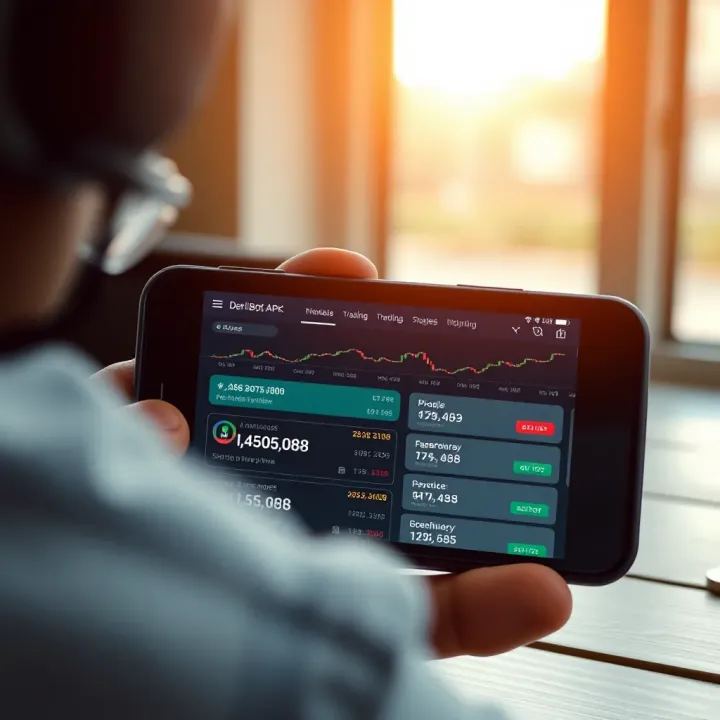
Explore Deriv Bot APK for automated trading on Deriv in Kenya! Learn features, easy installation steps, security tips🔒, usage advice, and troubleshooting⚙️.

Explore the Deriv Analysis Tool APK 📱: learn its features, safe usage tips, installation guide, and troubleshooting for users in Kenya 🇰🇪.

📈 Discover how to trade on Deriv with confidence! Learn account setup, strategies, risk management, and Kenyan regulations in this detailed guide.
Based on 5 reviews