

Understanding Deriv Bots for Kenyan Traders
Explore how Deriv bots work on the Deriv platform 📊, learn their benefits, risks, and customization to trade smartly and safely in Kenya 🇰🇪.
Edited By
Emily Foster
TradingView has gained traction among Kenyan traders as a reliable platform offering real-time charts, advanced technical tools, and social interaction features. Whether you are trading equities on the Nairobi Securities Exchange (NSE), forex through local brokers, or global commodities, TradingView gives you access to data and tools that match your needs.
At its core, TradingView is a web-based charting service that provides live market data combined with customisable technical indicators and drawing tools. This platform goes beyond basic charting by allowing users to write and test their own trading strategies using Pine Script, TradingView's scripting language. Kenyan traders can leverage these features to make data-driven decisions rather than relying on guesswork.
Real-time data and community insights put you closer to smart trading choices.
Key features beneficial for Kenyan traders include:
Multi-market access: Monitor NSE stocks alongside global forex pairs, cryptocurrencies, and commodities in one dashboard.
Custom indicators and alerts: Set precise price or technical conditions for timely trading decisions.
Social interaction: Follow expert analysts, share charts, and participate in discussions relevant to Kenya's financial markets.
Integration with brokers: Connect your TradingView account to selected brokers for direct order execution, though Kenyan broker availability may vary.
Getting started involves creating a free account on TradingView, which already unlocks most charting functionalities. Upgrading to paid plans can enhance performance and add more indicators or server-side alerts, ideal if you are actively trading multiple instruments.
You should also consider the platform's ability to use mobile apps, which support on-the-go access crucial for busy traders navigating Nairobi's hectic days or rural regions with limited internet.
In the coming sections, this article will guide you through setting up your TradingView account, interpretating different types of charts and indicators popular among Kenyan investors, and aligning platform use with local trading regulations and broker services.
Understanding TradingView’s tools and community features will help you build a practical edge whether you are a new trader or an experienced analyst looking to deepen your market insights.
TradingView has become a vital tool for many traders looking to understand and act in financial markets, Kenya included. Its combination of powerful charting capabilities, live data, and interactive features makes it more than just a charting website—it's a trading hub accessible anywhere with internet. For Kenyan traders, especially those balancing multiple markets and exchanges, TradingView offers a straightforward way to keep tabs on price movements and market trends in real time.
TradingView is a web-based platform providing comprehensive charting tools and market analysis. It supports both beginner and advanced traders by offering a user-friendly interface paired with strong analytics. The platform’s cloud-based nature means you can access your charts and settings from any device without hassle, ideal for traders always on the move or switching between desktop, mobile, and tablet.
Kenyan traders benefit from TradingView’s coverage of a wide range of financial markets including forex, stocks, cryptocurrencies, commodities, and indices. This variety allows one to diversify portfolios or follow international markets alongside Nairobi Securities Exchange (NSE) listings. Although NSE data may have slight delays or limited scope, global exposure helps Kenyan traders stay informed on economic developments affecting local and foreign assets.
The platform offers an array of tools such as technical indicators, drawing tools for trendlines and support/resistance levels, and customizable alerts. These allow traders to conduct detailed technical analysis without relying on third-party software. For instance, you can combine Relative Strength Index (RSI) with Moving Averages to validate potential entry points on currency pairs like USD/KES.
TradingView’s clean layout and easy navigation make it suitable even for those new to chart analysis. The availability of a free plan lets Kenyan traders start exploring without upfront costs. Plus, it supports local payment methods like M-Pesa for subscription upgrades, simplifying access to premium features.
Kenyan traders often juggle multiple assets, from NSE stocks to forex pairs involving the Kenyan shilling. TradingView supports the monitoring of these diverse instruments in one place, helping traders make faster, more informed decisions. Its mobile app further caters to Kenyans who rely heavily on mobile internet, allowing them to track trades during commutes or in remote areas.
The social aspect is another draw. Kenyan users can interact through TradingView’s community by following other traders, sharing analyses, and joining discussion groups. This collective knowledge sharing offers fresh perspectives and localised trading ideas, which is valuable in a market where bespoke information can be scarce. For example, a trader might spot a trading strategy on a BTC/USD pair that works well with Kenyan market opening hours and adapt it accordingly.
For traders seeking both practical tools and a supportive community, TradingView represents a one-stop solution fitting well within Kenya’s growing digital trading ecosystem.
Getting started on TradingView is the first step towards unlocking its full potential for your trading or investment activities. Setting up an account and mastering the interface is essential because it directly affects how efficiently you can access market data, analyse trends, and implement your strategies. Kenyan traders benefit from a straightforward registration process and the option to tailor their workspace, making daily trading smoother and more effective.
TradingView offers several subscription plans, including a free version and paid tiers like Pro, Pro+, and Premium. The free plan gives access to basic charts and some indicators, which is usually enough for beginners or those testing the platform. However, paid subscriptions unlock more features—such as multiple charts on one screen, extra technical indicators, and faster data updates—that can make a big difference for active traders. For example, a Kenyan trader focusing on NSE stocks might find the Premium plan worthwhile to monitor multiple instruments simultaneously.
Registering on TradingView is simple and quick. You just need to visit their website, provide an email address or link a social media account, and create a password. Kenyan users should ensure the details are accurate, especially when setting up payment details for subscription upgrades. No complicated verification steps mean you can start exploring charts and market data from anywhere with a good internet connection, even without local office presence.
For Kenyan traders, paying for TradingView plans is easier thanks to flexible local payment options. Besides international credit and debit cards, many choose to pay via mobile money platforms like M-Pesa through third-party services, or bank transfers where supported. Being able to pay using familiar Kenyan channels avoids the hassle of currency conversion fees and the worry of dodgy foreign transactions. Since subscription fees are billed in US dollars, keeping an eye on exchange rates while budgeting is advisable.
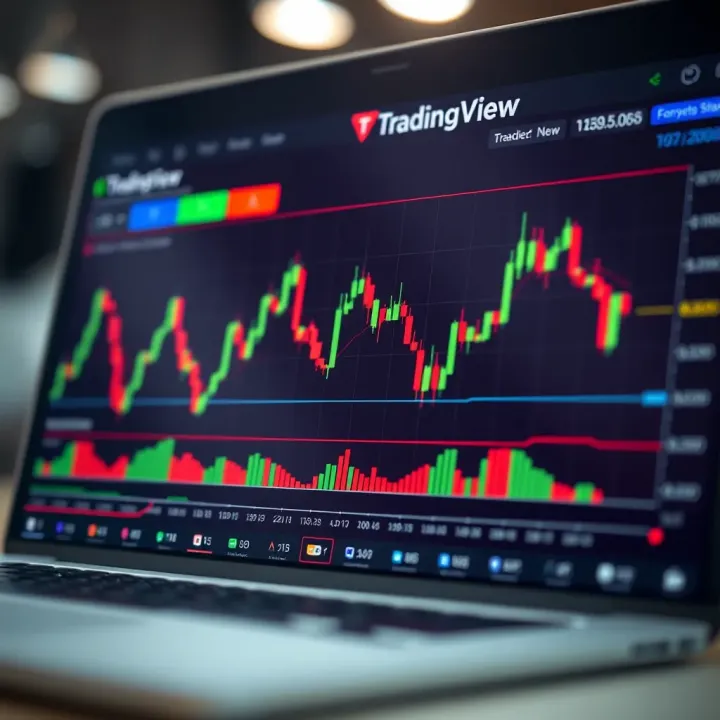
Once logged in, traders will see TradingView’s dashboard with clearly labelled menus and toolbars. The main menu allows quick access to charts, screeners for finding trading opportunities, news updates, and social features like chatrooms and published ideas. Toolbars on the side include drawing tools such as trendlines or fib retracements, crucial for technical analysis. Understanding where these elements are helps you work faster and avoid getting lost in features you don’t use.
The heart of TradingView is the chart window. Kenyan traders will find real-time price charts arranged by selected instruments—from NSE stocks to international forex pairs. The layout is adjustable: you can open multiple charts side by side, change timeframes (like daily, hourly, or 15-minutes), and toggle indicators. Familiarity with this setup means you won’t miss price movements or signals, which is key when trading volatile markets.
Every trader has their style, so TradingView allows you to customise your workspace. You can drag panels to preferred screen areas, save chart templates, and pick colour themes that reduce eye strain during long sessions. For instance, a Nairobi-based trader tracking agricultural stocks may choose to colour code charts or set default indicators for quick access. This personalisation saves time and reduces clutter, so you can focus on making sound decisions.
Setting up correctly and mastering the interface isn’t just about aesthetics; it’s about creating a workflow that supports your trading goals efficiently, especially in a fast-moving market like Kenya’s.
By understanding these essentials, Kenyan traders and investors will be better positioned to use TradingView as a powerful daily tool, whether analyzing the NSE 20 Index or watching global commodities. The platform’s flexibility and local payment support make it accessible and practical for all skill levels.
Mastering charting tools and technical analysis on TradingView opens a window to smart trading decisions, especially for Kenyan traders navigating both local and global markets. TradingView offers diverse charts and indicators that transform raw market data into clear signals. Knowing how to use these tools lets you spot trends early, time your trades better, and manage risks more confidently.
Selecting market symbols and instruments on TradingView is straightforward yet powerful. Whether you want to follow NSE (Nairobi Securities Exchange) stocks like Safaricom or East African companies listed overseas, you can easily find the symbols. This flexibility means you stay connected to the markets that matter most to you. Kenyan traders often follow currency pairs such as USD/KES and commodities like tea or coffee futures to gauge export trends impacting the economy.
Customising your timeframes and chart types helps adapt analysis to your trading style. For instance, if you trade intraday in NSE stocks, you might prefer 5- or 15-minute charts to catch quick moves. Swing traders, however, rely on daily or weekly charts for broader trends. TradingView also offers chart types including candlestick, line, and bar charts. Candlesticks are popular since they give detailed price action insight over a specific time period — a must for understanding market mood.
Understanding volume and price action reveals the strength behind price movements. Higher volumes on price rises often confirm buying interest, while low volume may suggest weak enthusiasm. For example, when Safaricom stock rises on high volume, it signals strong buyer support, which could inspire confidence for further upside. Price action analysis without indicators still helps traders make decisions based on the raw tug between buyers and sellers.
Several popular indicators for Kenyan traders include the Relative Strength Index (RSI), Moving Averages (MA), and Bollinger Bands. RSI helps spot overbought or oversold conditions — useful when examining stocks like Equity Bank. Moving averages smooth out price swings and help identify trends, such as the 50-day MA crossing above the 200-day MA signalling potential buying opportunities.
Using drawing tools such as trendlines, Fibonacci retracements, and support/resistance levels sharpens your trading edge. Drawing a trendline across NSE stock lows, for example, highlights where prices tend to bounce back. Fibonacci tools help predict retracement points in a trending market, guiding entry or exit zones. Support and resistance levels are basic yet powerful; they mark price points where assets like KCB shares repeatedly struggle to go lower or higher.
Combining multiple indicators for strategy validation reduces false signals. Kenyan traders might wait to see RSI indicating oversold conditions while price hits a strong support line. If a moving average crossover supports this view, the chances of a successful trade improve. Testing combinations on TradingView's charts builds confidence before using real capital.
Mastering these tools doesn’t happen overnight, but by practising consistently on TradingView, Kenyan traders can tailor strategies that fit local market rhythms and global trends alike.
This knowledge equips you to read the market’s story more clearly, helping you make trades backed by data rather than guesswork.
TradingView’s community features offer Kenyan traders a chance to learn from others, exchange insights, and improve their trading skills. This social side goes beyond charts and numbers—it creates a platform where traders can see how ideas play out in real time and benefit from collective experience. This section explains how engaging with the TradingView community can sharpen your strategies and keep you connected to Kenya’s trading scene.
Using the Ideas and Scripts sections: On TradingView, the Ideas section is where users share their market analyses through charts and commentary. Here, Kenyan traders can spot fresh setups for NSE stocks or forex pairs popular locally. The Scripts area allows users to access custom indicators or strategies coded by the community. For example, a trader might use a Moving Average Convergence Divergence (MACD) script tailored for markets with volatile price swings, like forex, which is common among Kenyan traders. This streamlines finding useful tools made by others without needing to develop them yourself.
Engaging with Kenyan trading groups: Groups and chatrooms on TradingView often form around regional markets or themes. Joining Kenyan trading groups helps you stay updated on local news affecting the NSE, currency fluctuations, or agricultural commodity prices relevant here. Members share timely tips, discuss broker services, or alert each other to regulatory changes. This local connection gives traders context-specific insight unavailable on generic platforms.
Learning from shared analyses: Traders publish detailed commentaries breaking down market movements or outcomes after trade executions. Reviewing these posts teaches you how others interpret price action and indicators under Kenya’s market conditions. For example, you might learn how a fellow trader used support and resistance zones to successfully time entries on Safaricom shares. Seeing diverse perspectives improves your ability to read charts and anticipate trends.
Publishing charts and setups: Sharing your trade charts or strategies invites feedback and builds credibility. You could post a chart showing your entry point on an NSE stock, outlining reasons based on technical indicators. This not only documents your thought process but also helps others learn from your approach. Regular sharing establishes your presence and encourages dialogue.
Gaining feedback from peers: The community’s responses enable constructive criticism or encouragement. Feedback might point out overlooked risks or suggest better stop-loss placements based on local market volatility. This peer review is like having a group of experienced traders mentoring you informally, helping you refine your techniques.
Building a local network of traders: Consistent interaction online can lead to forming real connections with Kenyan traders for knowledge exchange or collaboration. Such networks are valuable for sharing firsthand broker experiences or even setting up informal study groups. These links embed you deeper into Kenya’s trading ecosystem, fostering growth beyond individual efforts.
Being active in TradingView’s community lets you tap into a wealth of local knowledge, sharpen your skills through shared experience, and build relationships that support your trading journey in Kenya.
Integrating TradingView with local brokerage and payment systems is a significant step for Kenyan traders who want a smooth and efficient trading experience. This integration allows traders to execute trades directly from TradingView’s interface, eliminating the need to switch between platforms. It also ensures payment processes align with common Kenyan methods like M-Pesa, making managing subscriptions and fees more convenient.
Popular online brokers compatible with TradingView include global names like Saxo Bank, Interactive Brokers, and local favourites such as ICEA Lion Securities and Nairobi-based brokers offering access through MT4 or MT5 platforms. Traders seeing these broker options within TradingView can connect their trading accounts to place orders directly using TradingView's advanced charts.
Linking accounts for live trading involves a few straightforward steps: after creating a TradingView account and choosing a broker, you connect your broker’s login credentials within TradingView’s ‘Trading Panel’. This connection synchronises your portfolio for live market data and trade execution in real time, providing seamless control without constant app switching.
When using live trading through TradingView, traders should consider order execution speeds and the fees charged by brokers. Some brokers levy commissions or spread fees, others may have minimum trade sizes or restrictions based on market liquidity. For instance, a Kenyan trader using a broker with higher spreads might see reduced profits, especially on short-term trades, so it’s savvy to compare fee structures before committing.
For managing payments, TradingView accepts major cards and bank transfers, but its foothold in Kenya is strengthened by enabling M-Pesa payments through third-party services or linked payment platforms. This localised payment option is a big plus for traders who prefer mobile money over credit cards.
Currency conversions can sometimes add hidden costs when paying for TradingView’s subscription as fees are charged in US dollars. Kenyan traders should expect KSh deductions based on CBK’s exchange rates plus any additional bank or mobile money transfer charges. Careful monitoring can help avoid surprises—especially since subscription prices might renew automatically.
Choosing the right subscription tier affects costs significantly. The free plan offers basic charting and alerts, suitable for beginners. However, upgrading to Pro or Pro+ unlocks features like multiple device logins, more indicators, and advanced alerts. For active Kenyan traders hoping to balance cost and functionality, these premium plans can provide valuable tools without overspending.
Integrating your TradingView account with a local broker and leveraging M-Pesa for payments makes trading more accessible and practical within the Kenyan market context.
Overall, understanding these local integrations helps traders streamline their workflow, save on transaction hassles, and focus more on market analysis and actual trading activities.
While TradingView offers Kenyan traders a powerful platform for market analysis, it comes with certain limitations that can affect trading efficiency. Understanding these challenges helps traders set realistic expectations and find ways to work around issues they may face locally.
TradingView covers many global markets, but its data coverage for the Nairobi Securities Exchange (NSE) is somewhat limited. Real-time NSE data often requires traders to subscribe to additional premium services. Without this, data may come with a delay, which can be a problem for traders who rely on up-to-the-minute information to make quick decisions. This limitation means that local traders must assess whether the free or basic plans provide enough detail or if an upgrade is necessary for their needs.
Beyond the NSE, certain regional markets may not be fully represented on TradingView or have sporadic data updates. For instance, smaller East African markets or specific sectors may have gaps in coverage. These delays or missing data can hinder traders trying to diversify or track niche investments. It can lead to inaccurate analysis or missed trading opportunities when the platform does not reflect real market conditions immediately.
To tackle these data access issues, Kenyan traders can combine TradingView analysis with local broker platforms that offer real-time NSE quotes. Some brokers integrate M-Pesa for fast payments and provide their own charting tools that complement TradingView’s features. Using multiple sources helps fill data gaps. Additionally, leveraging local financial news, SMS alerts, or third-party NSE data feeds outside TradingView enhances decision-making and mitigates the impact of delayed market information.
Stable internet connection is key for TradingView to run smoothly, especially since the platform streams live data and interactive charts. In Kenya, inconsistent internet speeds or frequent disruptions in some areas can lead to lagging charts or delayed updates. Traders in Nairobi or urban centres with fibre connections tend to have a better experience than those in rural areas relying on mobile networks.
Many Kenyan traders use the TradingView mobile app to stay connected on the move. While the app offers convenience, it demands decent data speeds and device memory. Older smartphones or limited data bundles can slow down the app and make charting cumbersome. Users should consider WiFi access or upgrading data plans to avoid frustration during critical trading moments.
When TradingView experiences downtime or internet blackouts occur, traders lose access to real-time charts and alerts. Kenyan traders should prepare by saving important analysis offline or using alerts that send notifications via SMS or email, which rely on mobile network resilience. It’s also wise to have backup access through local broker platforms or trusted market news sources to stay informed during disruptions.
Understanding these limitations helps Kenyan traders plan better and ensures they can still make informed trading decisions even when the platform faces challenges. Combining TradingView with local tools and maintaining reliable internet access will reduce the impact of these issues on day-to-day trading activities.
TradingView is a powerful tool, but to truly benefit, Kenyan traders need practical strategies that fit their local context. This section focuses on actionable tips for setting realistic goals, continuous learning, and using mobile features effectively. Addressing these helps traders make smarter decisions and saves time while trading.
Starting with demo accounts allows you to experiment without risking real money. For example, if you're eyeing shares from Safaricom or KCB, you can simulate buying and selling them on demo mode to understand price movements and test strategies. This gives a safe ground to familiarise with TradingView's tools like indicators and alerts before committing real cash.
TradingView also offers many educational resources such as tutorials, webinars, and community scripts. Kenyan traders can take advantage of these to sharpen skills on technical analysis or discover new strategies. It’s especially helpful when combined with local trading realities, such as how seasonal rains affect agricultural stocks.
Keeping up with Kenyan market news is vital. Prices on NSE (Nairobi Securities Exchange) can be influenced by political events, regulatory changes, or even weather patterns. Integrating news updates with TradingView’s alerts ensures you respond quickly to market shifts. For instance, a sudden policy change on interest rates by the Central Bank of Kenya (CBK) can rapidly affect banking stocks.
Creating custom alerts on price levels or indicator triggers helps you stay on top of trades without staring at the screen all day. Say you want an alert when Safaricom’s stock hits KSh 35 or when the relative strength index (RSI) falls below 30 indicating a buying opportunity. TradingView sends notifications promptly, so you can act fast.
Using the mobile app keeps you updated on the go, whether you’re commuting by matatu to town or attending a boda boda meeting. The app is lightweight and works well even on slow networks common in some parts of Kenya. This flexibility is crucial for busy traders who can’t always be at a laptop.
Integrating alerts with M-Pesa payments or SMS increases your workflow efficiency. For example, if you receive an alert signalling a trade opportunity, you can quickly fund your trading account through the same mobile setup. This seamless link between notifications and payments helps minimise delays. Some traders also use SMS alerts if internet access is unstable, ensuring they don't miss critical market moves.
Successful trading on TradingView in Kenya combines local awareness with smart use of technology. Setting clear goals, continuous learning, and leveraging mobile alerts keep you agile and informed in fast-moving markets.
By following these practical tips, Kenyan traders can improve decision-making, manage risks better, and optimise their trading time effectively with TradingView.
Explore how Deriv bots work on the Deriv platform 📊, learn their benefits, risks, and customization to trade smartly and safely in Kenya 🇰🇪.
Learn how to open and fund your Deriv account 🇰🇪, explore key features and safety tips, and start trading confidently on this easy platform 💼📈.
Explore Deriv app features, payment methods, and trading tips for Kenyan traders 🇰🇪. Learn how to trade securely and maximize benefits with ease!

Explore Deriv Mpesa in Kenya 📱: Learn how to trade online seamlessly using Mpesa, understand benefits, and keep transactions secure with practical tips.
Based on 14 reviews