

Understanding the Commitment of Traders Report
📊 Learn how to read the Commitment of Traders Report to spot market trends, understand key players, and make smarter trades in Kenyan and global markets.
Edited By
Oliver Bennett
Trust is the backbone of all successful trading relationships and thriving markets. Without trust, transactions become costly and slower since traders must spend extra time verifying information or guarding against dishonesty. In Kenya’s trading hubs—like Nairobi’s CBD, the bustling markets of Kisumu, or Garissa’s cross-border trade—trust influences whether deals go smoothly or break down.
Traders rely heavily on trust when choosing partners and entering new markets. For example, a maize farmer in Uasin Gishu selling to a middleman in Nairobi depends on trust that payment will be timely and product quality maintained. Likewise, traders importing electronics through Mombasa port trust agents and regulatory bodies to ensure goods arrive as expected without unexpected fees or delays.

Beyond individual deals, trust boosts market efficiency by encouraging faster payments, openness to risk-sharing, and reduced need for costly contracts. When traders believe partners keep their word, they can focus more on growing business rather than policing agreements.
In Kenya’s dynamic markets, trust isn’t just a nice-to-have; it directly impacts profits and survival.
Several factors shape trust between traders:
Reputation: Word of mouth and longstanding relationships weigh heavily. A trader known to deliver quality goods and honour payments invites repeat business.
Transparency: Clear terms, visible pricing, and honesty about risks or challenges prevent misunderstandings.
Consistency: Regular, dependable behaviour over time builds confidence that partners won’t suddenly change conduct.
Regulatory compliance: Observing local laws and market standards signals seriousness and reduces chances of legal trouble.
In practice, many Kenyan traders use mobile money platforms like M-Pesa for real-time payments and record-keeping, reinforcing trust in financial exchanges. Social networks and trade associations also help verify reliability among members before expanding partnerships.
Understanding why traders trust certain partners and markets helps identify how to foster better trading environments. It supports Kenyan businesses in building strong connections that withstand pressures from competition, fraud, and market volatility. Ultimately, trust is both a safeguard and a growth driver in Kenya’s vibrant trading scene.
In trading, trust is not just a feeling but a practical necessity that shapes decisions and partnerships. Traders rely on trust to lower uncertainties, making it easier to do business quickly and with confidence. In Kenyan markets—from bustling Nairobi malls to jua kali workshops—trust influences every interaction, whether informal or formal.
Trust in trading means believing that the other party will fulfil their promises, act honestly, and handle transactions fairly. It covers several elements: the expectation of timely payments, product quality, accurate information, and respect for agreements. For example, a trader buying fresh fruits from a local farmer trusts the farmer to deliver fresh produce as agreed, and in return, the farmer trusts the trader to pay promptly. This mutual expectation helps prevent disputes and builds smoother trade relations.
Trust is built on history and experience but also on reputations that precede a trader. A long-standing vendor in the Karen farmers market, known for fairness and good produce, will be trusted more without lengthy negotiations. This saves time and resources, which is valuable in fast-paced trading environments.
Trust between buyers and sellers makes transactions seamless. Buyers who trust their sellers don't feel the need for exhaustive checks or distrustful delays, which can slow down deals. For instance, many Kenyans rely on trusted hardware suppliers in towns like Eldoret, knowing they get genuine products without constant quality checks. This eases buying machines or construction materials needed urgently. Sellers too benefit, as trusted buyers often pay on time and return for repeat business, stabilising cash flow.
On the flip side, without trust, trading costs go up. Buyers may demand upfront full payments or extensive guarantees, causing inconvenience and potentially pushing away good business.
In trading networks, such as import-export or stockbroking, trust between partners and brokers fuels collaboration and market access. Brokers in the Nairobi Securities Exchange (NSE) earn trust by consistently offering accurate advice and transparent fee structures. Traders depend on this trust to make timely decisions and avoid costly errors.
Similarly, partnerships between traders benefit when they trust each other's commitments and resources. For example, SME partners sourcing goods together avoid duplication if they trust each other's stock status and payment plans, making the supply chain more efficient.
Trust in trading acts like the oil in a matatu engine: when present, everything runs smoothly; without it, the system grinds to a halt.
Building clear agreements backed by honesty and effective communication remains key to fostering this trust, regardless of the trade size or complexity.
Trust among traders doesn't happen by chance; it grows from key factors that ensure confidence and predictability in business dealings. Understanding these factors helps traders make informed decisions and strengthens partnerships, especially in Kenya's diverse trading environments.
Being open about prices, product quality, and delivery timelines builds trust quickly. When traders share accurate information, it reduces suspicion and surprises, making transactions smoother. For example, in Nairobi’s Gikomba market, vendors who clearly show product origins and pricing tend to attract repeat customers. Transparency extends to sharing risks and challenges honestly, helping partners prepare and adapt without friction.
A trader’s history often speaks louder than promises. Those with a solid reputation for honouring agreements and providing consistent quality earn trust easily. Take the case of a second-hand clothing wholesaler in Mombasa who delivers reliably for years; traders dealing with him don’t hesitate to offer credit or bigger contracts. This track record signals reliability and reduces perceived risk, motivating others to do business.
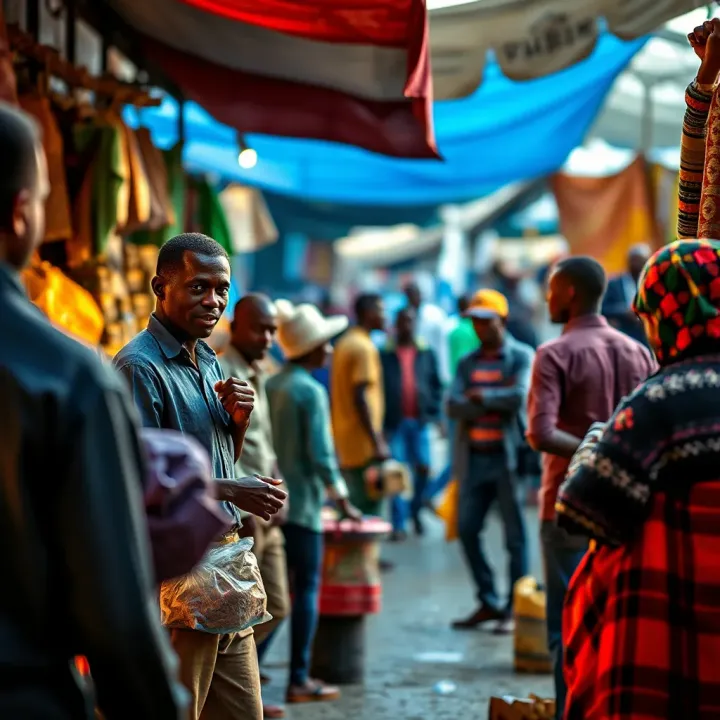
Regular updates and responding promptly build trust just as much as good performance. When traders keep each other informed on order status or market changes, it fosters a sense of partnership. For instance, a farmer supplying vegetables to an urban supermarket who calls to report crop delays maintains trust despite setbacks. Reliability also means meeting agreed deadlines and following through on promises; without these, doubts can easily take root.
Adhering to laws such as tax registrations, product standards, and labour rules signals professionalism. Ethical conduct, like fair pricing and avoiding fraudulent practices, also encourages trust. A trader in Eldoret who consistently shows valid KRA tax compliance certificates reassures their partners and customers about legitimacy. Ethical behaviour helps avoid disputes and builds a long-lasting foundation for trade relationships.
Trust grows when traders combine openness, a proven record, reliable communication, and conduct within the rules. These elements reduce uncertainty and make partnerships more predictable and productive.
In Kenyan markets, where informal and formal trades often blend, paying attention to these factors can mean the difference between thriving partnerships and missed opportunities. Traders who invest in building trust tend to face fewer conflicts, enjoy smoother transactions, and access better market options.
Trust forms the backbone of trading in Kenya's diverse markets. Whether you’re dealing in the informal jua kali sector or formal business settings, trust influences the ease of transactions, reduces risks, and helps ensure repeat business. Traders rely on trust to navigate uncertainties, from payment reliability to product quality, particularly where formal guarantees may be lacking. Understanding how trust operates in these environments illustrates why it remains central to Kenya's commercial success.
The jua kali sector — Kenya's informal manufacturing and service industry — is heavily reliant on trust due to limited regulatory oversight. For instance, a bodaboda rider trusts a mechanic to provide quality repairs without formal warranties, based mainly on personal relations and reputation. Business in this space often happens through networks where word-of-mouth and previous interactions build confidence.
In practice, a carpenter or tailor working in local markets depends on regular customers and supplier relationships that thrive on trust, given that legal contracts may rarely be used. This dynamic means that maintaining integrity and consistency can be as valuable as the physical products or services offered.
Small and medium enterprises (SMEs) in Kenya, as well as larger companies, operate with more formal structures but still rely on trust to smooth operations. For example, a retail chain sourcing stock from local suppliers depends on timely deliveries and quality assurance tied to established trust. Failure in trust can lead to cash flow issues or damaged reputations, which businesses can ill afford.
In formal contexts, trust often intertwines with contractual obligations and regulatory compliance, but interpersonal trust remains key. For instance, investment firms or brokers in Nairobi value partners who demonstrate reliable communication and transparent business history to minimise risks in a competitive environment.
M-Pesa revolutionised trust in Kenyan markets by providing a secure, transparent payment system accessible to individuals and businesses alike. Traders who once had to worry about counterfeit notes or delayed payments now rely on M-Pesa’s digital ledger that records every transaction clearly.
By allowing instant payments, M-Pesa reduces the risk of default, building confidence among both buyers and sellers. It also enables remote transactions, broadening markets and lowering barriers for informal traders to engage with customers beyond their immediate location.
Online marketplaces such as Jumia and Kilimall incorporate built-in trust mechanisms like buyer protection, reviews, and secure payment options. These tools help overcome scepticism, especially when buyers and sellers have never met. For example, a customer ordering electronics through Jumia will check seller ratings and rely on secure payment gateways to feel confident.
Such platforms also provide dispute resolution processes, which further strengthen trust by ensuring that consumers are safeguarded against fraud or poor service. This combination of digital tools and clear recourse options encourages more Kenyans to engage in e-commerce confidently.
Trust in Kenyan markets is not just about contracts or laws; it's formed through practical, everyday interactions supported increasingly by digital tools like M-Pesa and e-commerce platforms. This evolving mix helps traders manage risks and grow their businesses.
Trust in informal settings is built on relationships and reputation.
Formal businesses blend contracts with interpersonal reliability.
Mobile money platforms reduce payment risks and expand market access.
E-commerce sites use reviews and protections to build buyer confidence.
The interplay of traditional trust practices and modern technology shapes Kenya’s trading environments, making trust both a social and technological asset for traders.
Trust is the backbone of any trading relationship. When it falters, both individuals and markets feel the impact. Understanding the risks and challenges that come with broken trust helps traders navigate and mitigate potential fallout. This section looks at what happens when trust breaks down and why it matters in practical terms.
Mistrust between trading partners often leads to missed deals and closed doors. For example, if a buyer doubts a seller’s reliability, they may seek alternatives—even if more costly. This hesitation is common in Kenyan SMEs where reputation heavily influences repeat business. A trader who spreads poor word-of-mouth about a partner risks shrinking their network and limiting access to valuable offers. Over time, this cuts sales volumes and slows growth.
Equally, sellers may avoid engaging with customers who appear unreliable or delayed in payments. This cautious approach reduces market fluidity and discourages innovation. Without trust, traders stick to known circles, excluding newcomers who might bring fresh opportunities.
When trust wanes, traders spend more time and money on safeguards. For instance, Kenyan traders might demand upfront payments or insist on middlemen to verify deals. These extra steps add operational expenses and can slow down the transaction process. A simple purchase, which could have been done quickly, becomes cumbersome and expensive.
Additionally, insurance or legal fees rise to compensate for perceived risks. Smaller traders may struggle to afford these, pushing them into informal arrangements where even more risks exist. In formal markets, frequent disputes over contracts caused by mistrust inflate costs further, impacting profit margins.
Fraud remains a top cause of distrust in Kenyan markets. Unscrupulous dealers who deliver substandard goods or disappear after payment undermine trust. For example, fake season goods sold in the jua kali sector not only harm buyers but damage the reputation of entire markets. Digital payment platforms like M-Pesa have reduced cash fraud risks but scams such as impersonation still occur, making traders wary.
Such incidents make traders more cautious, sometimes overly so, leading to lost chances and delayed business. Without strong regulatory enforcement and community vigilance, fraud erodes confidence steadily.
When traders fail to communicate clearly or miss deadlines, trust breaks fast. A supplier who promises delivery within three days but takes weeks leaves buyers frustrated and reluctant to engage further. In Kenya’s fast-moving markets, delayed shipments can mean missed harvest seasons or stockouts, causing financial loss.
Unmet expectations also arise from unclear contract terms or misinformation. For instance, sellers who overpromise product quality without proof expose buyers to risk. This damages relationships and creates a cycle of suspicion, with each side guarding against potential letdowns.
Clear, honest communication and setting realistic expectations can stop many trust issues before they start, saving time and money for everyone involved.
Building and maintaining trust requires consistent effort. Recognising these risks and causes helps traders protect their partnerships and markets from breakdowns that cost more than money alone.
Building and maintaining trust in trading is not a matter of chance; it involves deliberate actions that ensure partners feel secure and confident in their dealings. Practical steps in this regard help reduce uncertainty and promote smoother transactions, especially in markets like Kenya’s, where informal and formal trade intertwine. Traders who adopt these measures can expect improved business relationships, reduced risks, and better market reputation.
Before engaging with new trading partners, verifying their credentials is critical. This could mean checking company registration details, tax compliance through KRA (Kenya Revenue Authority), or confirming licences when applicable. For example, a trader buying agricultural produce may verify the seller’s NHIF (National Hospital Insurance Fund) and NSSF (National Social Security Fund) registrations, ensuring they are legitimate operators. Background checks help identify past business conduct and reduce risks from fraudulent activities.
Beyond formal credentials, word of mouth remains valuable. Traders often ask peers or check previous testimonials to understand a partner’s reliability. This step prevents surprises and sets a foundation for trust based on verified information rather than assumptions.
Clear contracts are the backbone of trust. Defining terms such as delivery schedules, quantity, quality standards, payment methods, and penalties for breaches ensures all parties have aligned expectations. For instance, in Nairobi’s maize market, a straightforward payment term via M-Pesa Lipa Na M-Pesa or Paybill can prevent misunderstandings about when and how payment occurs.
Clear payment terms, including acceptable methods and timelines, protect both buyer and seller. They also make it easier to resolve disputes and reduce delays. Kenyan traders increasingly formalise these agreements even in jua kali or SME settings where informal deals were common in past.
Keeping communication channels open throughout the trading process fosters confidence. Regular updates on order status, challenges, or changes help partners feel involved and respected. For example, a broker updating a client about market price trends or transport delays builds goodwill.
When conflict arises, addressing it promptly and respectfully preserves trust. Kenyan traders often rely on direct talks, mediation by respected community members, or formal arbitration depending on the scale of disagreement. Ignoring issues or unclear responses tend to erode trust rapidly.
Technology brings transparency into transactions, a major confidence builder for traders. Mobile money platforms like M-Pesa provide real-time proof of payment, reducing doubts over cash dealings. Digital records and receipts can be shared instantly, making it easy to track transactions.
Additionally, e-commerce platforms and supply chain apps help monitor order progress and verify product quality through reviews and ratings. These tools, increasingly accessible across Kenya, remove opacity and reduce opportunities for disputes.
Taking these practical steps—verifying credentials, clarity in contracts, open communication, and using technology—ensures that trust is earned and sustained in trading partnerships, making markets more efficient and reliable for everyone involved.
📊 Learn how to read the Commitment of Traders Report to spot market trends, understand key players, and make smarter trades in Kenyan and global markets.

Explore how Deriv bots work on the Deriv platform 📊, learn their benefits, risks, and customization to trade smartly and safely in Kenya 🇰🇪.

Learn how to open and fund your Deriv account 🇰🇪, explore key features and safety tips, and start trading confidently on this easy platform 💼📈.
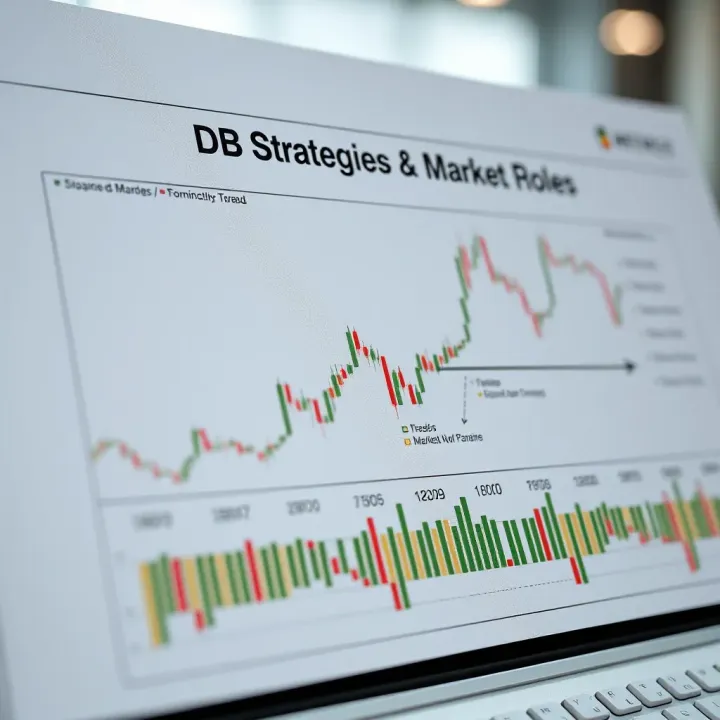
Explore who DB traders are and how Kenyan investors can trade smartly📈. Understand strategies, risks, and tips to make informed financial moves in Kenya🇰🇪.
Based on 15 reviews