

BNB Price Prediction: What’s Next for Binance Coin
📈 Discover key factors shaping Binance Coin (BNB) price trends, detailed market insights, and expert predictions to guide smart crypto investment decisions.
Edited By
Mia Collins
Shiba Inu coin has stirred quite a buzz globally, especially among crypto enthusiasts following the success stories of meme coins like Dogecoin. However, the big question for investors and traders across Kenya and beyond remains: can Shiba Inu ever reach the $1 mark?
At first glance, the idea might seem tempting. Imagine owning Shiba Inu coins worth $1 each, translating to massive returns for holders who bought at fractions of a cent. But the reality ties back to fundamental market forces and token specifics that determine price movements.

One key factor limiting Shiba Inu’s price rise is its enormous supply. With over 500 trillion tokens minted at inception, it would take an astronomical total market value for the coin to hit $1. For context, a $1 Shiba Inu coin implies a market capitalisation exceeding most of the world’s biggest economies combined.
Additionally, unlike Bitcoin or Ethereum, which have capped supplies or controlled issuance, Shiba Inu’s tokenomics encourage burning (permanent removal) of coins to reduce supply, but the scale to approach $1 is still immense.
Price potential links closely to real-world usage. In Kenya, where mobile money services like M-Pesa dominate, cryptocurrencies have seen gradual uptake primarily as investment vehicles rather than mediums of exchange. Shiba Inu aims to expand utility via decentralised finance applications and NFTs. However, broad adoption requires consistent innovation and user interest.
In addition, competition in the crypto space is stiff. Other coins and tokens backed by solid projects and communities tend to sustain growth better. Traders should consider Shiba Inu’s development roadmap and partnerships before betting on long-term price spikes.
Market Cap vs Supply: An enormous token supply means higher hurdles for massive price gains.
Utility Growth: Without increasing uses and integration, price reliance remains on hype.
Global Trends: Cryptocurrencies respond to international regulations and investor sentiment, not just local activity.
In summary, hitting $1 per Shiba Inu token is highly unlikely in the near future given current fundamentals. Still, understanding these factors helps investors in Kenya make informed choices rather than chasing unrealistic gains.
Next, we will explore detailed comparisons with other cryptocurrencies and examine risks more closely.
Getting a clear picture of Shiba Inu coin's background and where it stands in the market is vital before you decide to invest or trade it. This knowledge helps you grasp why certain price movements occur and what factors might influence its future value. For example, understanding how its supply works or how big the market capitalisation is can tell you what realistic price points it might reach. This is especially useful for investors and traders who want to avoid overly optimistic expectations based on hype alone.
Shiba Inu coin started as a meme cryptocurrency inspired by the famous Dogecoin. Created in August 2020 by an anonymous developer known as Ryoshi, it aimed to be a “Dogecoin killer” by building a more active community and adding token utility. Its distinctive branding features the Shiba Inu dog breed, popularised globally by the memecoin trend. Despite this playful origin, the project pushed ahead with developing an ecosystem, including decentralised exchanges like ShibaSwap and plans to build NFTs and gaming applications. However, its roots as a meme coin have kept it highly speculative.
Total Circulating Supply
Shiba Inu coin has an enormous circulating supply, currently around 589 trillion tokens. This sheer quantity is key to understanding its low price per token. Unlike Bitcoin, which has a fixed supply of 21 million coins, Shiba Inu flooded the market with hundreds of trillions of tokens. This means even if the total market capitalisation is significant — for example, a few billion dollars — each individual token’s value remains small because the supply dilutes it. For instance, with 589 trillion coins, even a KSh 1 trillion market cap translates to less than a cent per coin.
The total supply massively limits Shiba Inu's potential to hit $1 without an astronomical market capitalisation. To reach KSh 100 (about $1) per token, the total market cap would have to multiply many times over current figures, entering levels that dwarf major global companies. This is a practical barrier that investors must understand. Large supply means that unless a huge number of tokens are permanently taken out of circulation (burned), or demand grows exponentially, price growth faces natural constraints.
This is why some analysts warn that reaching $1 is highly unlikely without significant structural changes. In Kenya, where investors often watch foreign crypto markets carefully but deal with local regulations and currency risks, knowing this helps set realistic expectations and reduces the chance of falling for hype-driven pumps.
Understanding the interplay between Shiba Inu’s total supply and market cap is essential for making informed decisions rather than chasing unattainable price targets.
Overall, grasping Shiba Inu’s background, supply dynamics, and market position gives investors a solid foundation to assess risk and potential rewards wisely. It’s a good starting point before looking at what drives its price and where it might head next.
When looking at Shiba Inu's price prospects, it’s key to understand what moves the needle. Price changes don’t happen in isolation; they reflect several intertwined factors such as tokenomics, community involvement, market trends, and regulations. Each of these plays its part in shaping investor confidence and demand.
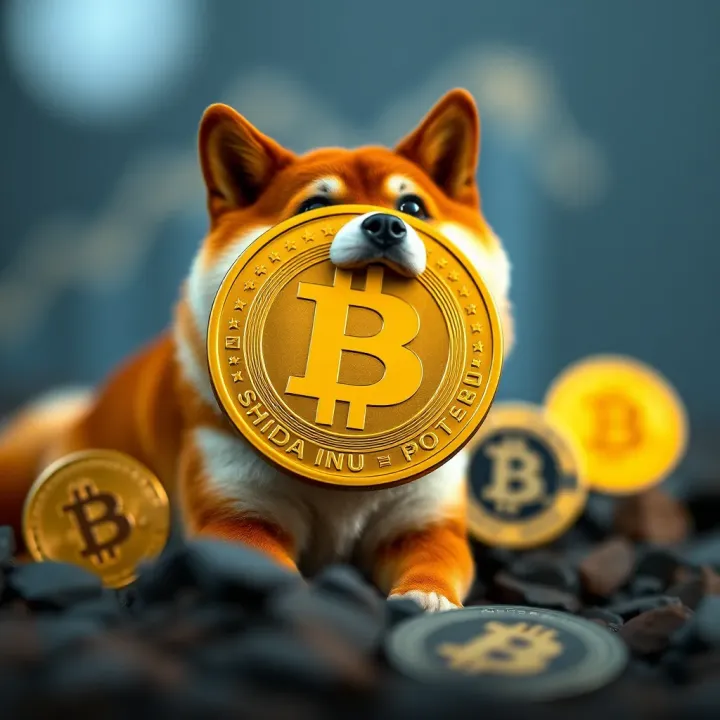
Shiba Inu faces a major hurdle due to its large circulating supply. With over 500 trillion tokens in circulation, the price per coin naturally stays very low since the total market cap is spread thin. For example, even if the overall demand surges, reaching $1 per coin would require a market value beyond what’s considered feasible today. This vast supply acts like a weight on price, making sharp gains difficult without significant burns or demand hikes.
Burn mechanisms, where tokens are deliberately destroyed, offer one way to ease this downwards pressure. Shiba Inu’s developers and community have initiated burning events to reduce supply. However, while token burns help reduce supply, their effectiveness depends on scale and community participation. Small burns may only temporarily impact price, whereas sustained burns linked to platform growth could foster more lasting effects. Still, burning alone cannot fix fundamental issues if demand fails to rise proportionally.
Social media buzz has been a powerful force driving Shiba Inu’s popularity. Platforms like Twitter, Reddit, and niche crypto forums keep the community active, encouraging buying and trading. The enthusiasm here often leads to spikes in volume based on hype rather than intrinsic value. For Kenyan investors, it’s useful to watch these trends but distinguish between excitement and deep adoption.
Beyond chatter, real-world use cases matter more for lasting price growth. Shiba Inu’s expansion into decentralised finance (DeFi), NFTs, and gaming platforms helps build a broader ecosystem. Practical applications encourage holders to use the token rather than speculate alone, which can stabilise demand. If the network gains merchants or popular dapps accepting Shiba Inu, it strengthens the coin's foundation beyond social media fervour.
Shiba Inu’s price also rides the overall cryptocurrency market waves. Bitcoin’s trends, for example, often impact memecoins. During bull runs, altcoins including Shiba Inu tend to climb, while bearish periods hit all coins hard. Investors in Kenya should note how global sentiments ripple through local trading.
Regulatory developments also shape market sentiment. Clearer rules, especially in jurisdictions like Kenya, affect investor confidence. Harsh crackdowns or unclear taxation policies may dampen enthusiasm, whereas transparent frameworks give some security. KRA’s approach to crypto gains, for example, influences how easily Kenyans engage in buying and selling. Global regulation chatter from bodies like the SEC also sets the tone for Shiba Inu’s market behaviour.
Price moves in cryptocurrencies like Shiba Inu emerge from a mix of supply dynamics, community energy, market moods, and legal frameworks. Understanding these helps investors spot the real drivers behind the numbers.
In summary, Shiba Inu’s price depends on complex factors. Large supply challenges set a high bar, while burns offer limited support. Community enthusiasm has pushed demand but needs backing from practical use cases. Meanwhile, market trends and regulations add external pressures that can’t be ignored. Kenyan traders must keep an eye on all these elements to navigate Shiba Inu’s price swings wisely.
Setting a $1 target for Shiba Inu coin is a headline that grabs attention, yet it demands a careful reality check. This section unpacks the feasibility of such a price, guided by hard numbers, market comparisons, and expert opinions. For traders, investors, and financial analysts, understanding whether this target is practical helps manage expectations and make informed investment decisions.
To hit $1 per Shiba Inu coin, the total market capitalisation would have to grow enormously. Considering Shiba Inu's circulating supply is in the hundreds of trillions, multiplying that by $1 pushes the market cap beyond several hundred trillion dollars. For comparison, the entire global crypto market cap rarely crosses $3 trillion. This gap shows just how steep the climb would be for Shiba Inu.
This mathematical insight matters because it highlights supply constraints as a big barrier. Even if demand surges, the enormous total supply puts a ceiling on achievable price per coin without massive changes such as token burns or supply reductions.
When comparing Shiba Inu to major cryptocurrencies like Bitcoin or Ethereum, we see clear differences in supply mechanics and market maturity. Bitcoin’s fixed supply of 21 million coins provides scarcity, a key driver of its price strength. Ethereum also has mechanisms that slightly limit supply.
Shiba Inu, however, started as a memecoin with no such scarcity. Its vast supply means it has to compete on a very different scale. Investors who understand this realise that expecting Shiba Inu to match Bitcoin’s per-coin price ignores fundamental market differences.
Many crypto analysts remain sceptical about Shiba Inu reaching $1 without drastic changes. They point to the tokenomics and sheer supply as roadblocks. Some suggest that unless Shiba Inu massively reduces supply or creates real-world use cases that dramatically boost demand, the $1 mark stays out of reach.
Analysts also highlight that meme coins tend to be highly volatile and driven more by short-term hype than sustainable growth. Hence, relying purely on social media buzz is risky for long-term investors.
Within Kenya’s growing fintech and crypto community, investors often view Shiba Inu as a high-risk, high-reward asset. Many experienced traders advise caution due to volatility and price manipulation risks common to memecoins.
That said, Kenya’s vibrant digital economy and increasing crypto adoption push some investors to keep an eye on tokens like Shiba Inu as part of a diversified portfolio. The real focus for Kenyan investors is on practical factors like secure platforms, regulatory clarity from KRA, and realistic profit expectations rather than chasing unlikely price targets.
Setting a $1 price for Shiba Inu would require unprecedented market growth and structural changes—investors need to dig beyond headlines and understand the facts before committing their funds.
This balanced perspective helps investors avoid unrealistic hopes while recognising the evolving opportunities in crypto investments in Kenya and beyond.
Investing in cryptocurrencies like Shiba Inu coin requires careful evaluation of risks, especially for Kenyan investors. This section highlights key issues such as the volatile nature of memecoins, local regulatory obligations, and practical strategies to safeguard your investment.
Shiba Inu and similar memecoins tend to experience sharp price swings driven more by hype than fundamental value. These tokens often surge due to social media buzz but can just as swiftly lose value. For instance, a single tweet or celebrity endorsement might cause prices to spike overnight, only for them to fall dramatically days later. This unpredictable pattern makes memecoins risky for investors counting on steady returns. Understanding this volatility helps you avoid panic selling during dips and stay alert to market sentiment shifts.
In Kenya, the Kenya Revenue Authority (KRA) has been clear that gains from cryptocurrencies are taxable. Although the regulatory framework remains in development, KRA views profits from crypto trading as income liable for taxation. This means that if you sell Shiba Inu coins for a profit, KRA expects you to report and pay tax accordingly. This aspect is practical for anyone investing in Kenya, as failing to comply could lead to penalties or legal complications.
For Kenyan investors, reporting cryptocurrency gains is done through the iTax system, which is KRA's online portal for tax returns. When filing your returns, include earnings from crypto trading under capital gains or income as relevant. Keeping detailed transaction records is essential for accurate reporting. For example, if you made KSh 100,000 profit selling Shiba Inu coins, you need to declare it during the filing season to avoid issues with KRA.
Diversifying your crypto portfolio reduces exposure to the unpredictable swings of a single token like Shiba Inu. Instead of putting all your funds into one coin, consider spreading investments across multiple assets, including stablecoins like USDT, or established cryptocurrencies such as Bitcoin and Ethereum. Diversification helps cushion losses if one token drops sharply and increases potential for steady gains. Kenyan investors should also balance crypto with other asset classes like stocks or real estate where possible.
Security is crucial in cryptocurrency investment. Always use reputable wallets and trading platforms with strong security protocols. Hardware wallets, such as Ledger or Trezor, offer offline storage that protects your coins against hacking. Additionally, trade on well-known Kenyan and international exchanges that require thorough user verification and have good customer support. Avoid keeping large sums on online wallets or exchanges for long periods to limit risks of theft or loss.
Keep in mind: The cryptocurrency market in Kenya is evolving, and staying informed on legal, tax, and security matters will help you manage your investments more confidently.
Exploring alternatives to Shiba Inu and considering its long-term outlook is key for investors aiming to make informed decisions. These angles help compare Shiba Inu's place in the bigger crypto market and highlight opportunities with better fundamentals or less supply pressure. For Kenyan investors, understanding where Shiba Inu fits alongside other cryptocurrencies reduces risks and helps spot tokens with practical growth potential.
Projects with Stronger Fundamentals
Some emerging tokens boast stronger fundamentals than Shiba Inu, which mainly started as a memecoin. For instance, projects like Polkadot and Solana offer clear use cases through scalable blockchain platforms supporting decentralised finance (DeFi) and Web3 applications. These foundations often translate to sustainable growth driven by real-world utility rather than hype alone. From an investment perspective, tokens powered by solid technology and developer activity command more trust for long-term holding.
Shiba Inu still tries to catch up through its ecosystem expansion, but tokens launched with a specific technological edge tend to attract consistent developer and user adoption. Considering these factors can guide investors who want projects blending innovation and practical appeal beyond just community buzz.
Tokens with Lower Supply Constraints
Shiba Inu’s massive total supply creates a significant barrier to hitting higher per-coin prices. In contrast, tokens with lower maximum supplies generally have more room to appreciate in value. Take Bitcoin, capped at 21 million coins, or Binance Coin (BNB) with a limited circulating supply and periodic burns. This scarcity acts as a natural value prop that memecoins with huge supply often lack.
For Kenyan investors, comparing supply caps alongside demand dynamics is practical. Tokens with fewer coins available are easier to understand in terms of potential price movement. This doesn't imply all with limited supply will soar, but supply constraints can be an important factor when evaluating the likelihood of substantial price increases.
Technological Developments
Shiba Inu has made strides to develop its own blockchain and smart contract platform, called Shibarium, aiming to reduce transaction fees and increase speed compared to Ethereum. These technological upgrades are important steps to move the token's use beyond mere trading or speculation. For investors, watching how these developments play out signals Shiba Inu’s potential longevity in the crowded crypto market.
If Shibarium delivers on promises like cheaper, faster transactions, it could attract DeFi projects, NFT activities, and gamers within Africa and globally. This adoption would help Shiba Inu gain practical use cases, which is often crucial for sustaining investor interest and price stability.
Partnerships and Real-World Integration
Partnerships with businesses or platforms can ground a cryptocurrency's value in real-world applications. Shiba Inu’s ventures into partnerships for NFTs, charity events, and gaming show attempts to broaden its adoption. However, these efforts must deepen to significantly impact prices.
For Kenyan investors, observing collaborations that enable payments via M-Pesa or integration into African digital markets would be particularly relevant. Practical usage in daily transactions or online marketplaces can provide Shiba Inu with a tangible role beyond speculation, aligning with local payment ecosystems and consumer needs.
Choosing alternatives with stronger tech, manageable supply, and solid partnerships offers a clearer path for investment compared to relying solely on Shiba Inu’s price hopes. Keeping an eye on these factors will help investors make grounded decisions in Kenya's growing crypto space.
📈 Discover key factors shaping Binance Coin (BNB) price trends, detailed market insights, and expert predictions to guide smart crypto investment decisions.

Learn how to choose the right leverage for your $10 trading account in Kenya 🇰🇪. Balance risk and rewards effectively for better trading outcomes 💹.
Explore derivative P2P trading in Kenya 🚀 Learn how peer-to-peer platforms for derivatives work, benefits, risks, and safe trading tips 👍📈

Learn how to set up and use Deriv with MetaTrader 5 for Kenyan traders 📈 Explore account setup, trading tools, risk management, and practical tips.
Based on 9 reviews