
Understanding Demo Accounts for Trading in Kenya
📊 Learn how demo accounts help Kenyan traders practice safely, understand market moves, and build skills before trading live with real money.
Edited By
Isabella Turner
A forex demo account lets you try out trading foreign currencies without risking your own money. Think of it as a practice ground where you can place trades using virtual funds that behave just like real money. For Kenyan traders, this means you can test strategies and understand how the forex market works without the stress of losing KSh.
Many Kenyan platforms and forex brokers, like XM Kenya or HotForex, offer demo accounts tailored to local users. These accounts simulate live market conditions, including real-time price movements and spreads, giving you a feel of how trading works in real situations.
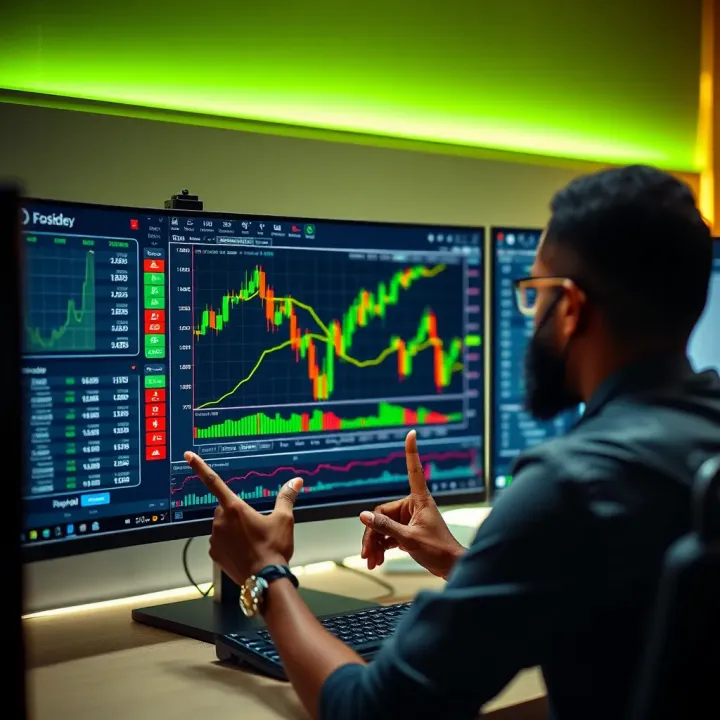
Using a demo account helps you sharpen your skills and understand trading dynamics before committing real cash. This is especially useful for beginner traders or those trying out new strategies.
The broker provides you with virtual money, often between KSh 100,000 and KSh 1,000,000.
You can buy and sell currency pairs such as USD/KES or EUR/USD on their demo platform.
Market prices move in real-time, allowing you to see how your trades perform.
No actual money changes hands, so there is zero financial risk.
Practice without pressure: Mistakes won’t cost you real cash.
Learn platform features: Know how to use the trading software, like MetaTrader 4 (MT4) or MetaTrader 5 (MT5), common in Kenya.
Test strategies: Whether day trading or position trading, you can check what works best.
Understand market moves: Experience how news, like CBK policy changes or global events, affect forex.
No emotional stakes: You won’t feel the real fear or excitement that can impact decisions.
Sometimes demo conditions differ: Some brokers may adjust spreads or execution speeds.
Overconfidence risk: Succeeding on demo doesn’t guarantee live success.
In short, a forex demo account in Kenya offers a safe, practical way to learn the ropes and build confidence. It acts as a bridge between studying forex and trading live in the hustle of Nairobi’s financial markets or beyond. Treat it seriously and use it well before you put your hard-earned shillings on the line.
A forex demo account plays a crucial role for traders, especially those starting in Kenya's vibrant forex market. It serves as a risk-free platform where you can practise trading with virtual money, gaining experience without the fear of losing real cash. This feature is especially valuable for new traders who want to understand market dynamics before committing their savings.
Forex demo accounts provide a sandbox environment that mimics real trading conditions. Instead of using actual money, you trade with imaginary funds while accessing live market prices and charts. This hands-on experience helps you observe how currency pairs fluctuate, test strategies, and improve decision-making skills.
A forex demo account is a practice trading account offered by brokers that allows you to buy and sell currencies using virtual funds. The main purpose is to provide beginners a chance to learn forex trading without financial risk. For instance, a Kenyan trader can open a demo account to practise trading the USD/KES pair without any initial deposit.
The demo account replicates the real market environment by providing live quotes and market data. Although it simulates market conditions accurately, some factors like order execution speed or slippage may differ slightly from live accounts. Still, it offers a useful platform to understand how trades are placed and closed.
When you start a demo account, you receive a set amount of virtual money, often ranging from KS million equivalent in various currencies. This lets you try different trading sizes and strategies without worrying about losses. If you run out of virtual funds, you can usually top up your balance or simply open another demo account.
Selecting a trustworthy broker is essential since the demo experience depends on the quality of their platform. Look for brokers regulated by recognised authorities, such as the Capital Markets Authority (CMA) in Kenya, to ensure fairness and security. Brokers like HF Markets, XM, and HotForex offer demo accounts tailored to Kenyan traders, often integrating popular payment methods like M-Pesa.
Opening a demo account usually involves a simple registration requiring basic details such as your name, email, phone number, and sometimes a KRA PIN for Kenyan users. This process typically takes a few minutes, after which you get instant access to the demo platform.
Many brokers support multiple devices, enabling you to trade on desktop computers, laptops, tablets, or mobiles. Most Kenyan traders prefer mobile platforms because of their convenience and seamless integration with M-Pesa for deposits once they transition to live trading. Moreover, mobile apps usually offer real-time notifications and easy chart analysis on the go.
Practising with a forex demo account allows Kenyan traders to gain confidence and sharpen skills before risking real money. It's the smart first step into the forex market.

A forex demo account provides a risk-free way for traders in Kenya to understand trading dynamics without risking real money. This tool has become essential for both beginners and experienced traders aiming to sharpen their skills and test trading techniques in a simulated environment. Its practical benefits go beyond mere practice; it equips users with confidence and insights needed before stepping into the live forex market.
A demo account lets you grasp the basic workings of forex trading—how orders are placed, how buy and sell positions function, and the role of leverage and margins. This hands-on learning is vital, especially in Kenya, where many new traders join without prior exposure. For example, understanding how to set stop-loss and take-profit levels without risking real cash helps build good trading habits early on.
By using virtual funds on a demo account, Kenyan traders can explore different currency pairs, such as USD/KES or EUR/USD, and observe how their values fluctuate with global economic news or local events. This experience helps traders recognise patterns and build intuition on market behaviour without fear of losing money. For instance, a trader noticing how the shilling reacts to inflation reports gains local market sensitivity.
A demo account offers the chance to design and test various trading strategies—from scalping to day trading—without financial consequences. Suppose you want to test a momentum-based approach during the Nairobi Securities Exchange active hours; a demo environment helps refine your entry and exit points before applying real capital. This trial-and-error process is crucial in finding what suits your trading style.
Tracking your trade history on a demo platform allows detailed analysis of winning and losing trades, helping identify strengths and gaps. Kenyan traders can use this feedback loop to improve decision-making without the stress of losing KSh in volatile markets. Reviewing past demo trades helps adjust strategy parameters, which increases chances of success once shifting to live accounts.
Using a forex demo account is like practising football before joining the national league—it builds skills and confidence without the pressure of high stakes.
By effectively using demo accounts, Kenyan traders can confidently approach live trading, knowing they've minimised beginner mistakes and are better prepared for real market conditions.
Forex demo accounts are useful for practice but come with limitations that every Kenyan trader should understand before relying exclusively on them. While they simulate real trading environments, there's a clear gap between demo and live markets that can affect decision-making and results. Knowing these challenges helps you set realistic expectations and prepare better before committing real capital.
One key difference is the emotional side of trading. Demo accounts use virtual funds, so there's no real financial risk involved. This often means traders don't experience the same stress or urgency as they would with live money, which can lead to taking greater risks or ignoring proper risk management. For example, a Kenyan trader might place a large trade on a demo account with no worry of losing KS0,000, but on a live account, fear of loss might cause hesitation or second-guessing.
This emotional detachment makes it difficult to develop the discipline needed for live markets. Real money trading involves nervousness, excitement, or even panic that impact decision quality. Understanding this gap is crucial so you don’t get a false sense of confidence just because you mastered demo trading.
Another practical difference lies in order execution and liquidity. Demo accounts often assume instant order fills at quoted prices, but live trading deals with market realities like slippage—the difference between expected and actual price filled—and varying liquidity depending on the currency pair and time of day.
For instance, during Kenya's mid-morning when global markets are active, popular currency pairs like USD/KES might have tight spreads and smooth execution. However, less traded exotic pairs could face wider spreads and delays. Such challenges don't show up on demo platforms, meaning traders might be unprepared for the practicalities of placing orders live.
Demo accounts can sometimes create a misleading sense of skill. Beginners may see consistent profits on demo accounts and assume success is guaranteed when switching to real trading. However, this overconfidence can lead to rushing live trades without proper preparation or risk controls.
For example, a trader in Nakuru might develop a strategy over weeks on demo but fail to adjust for real market volatility, leading to losses on a live account. Being cautious and treating demo gains as practice rather than proof of ability is vital.
Virtual trading conditions are often too perfect to reflect live market complexity. In demo environments, traders might find it easy to execute any strategy without facing emotional pressures, unexpected slippage, or sudden news impacting the forex market.
This gap can cause frustration when a trader moves to live accounts expecting similar results. Understanding that demo profits don't always translate into live profits helps set a realistic learning curve and reduces the chances of discouragement or reckless behaviour.
Recognising the limitations of forex demo accounts is key to avoiding surprises when you start trading for real. Demo practice is valuable but must be combined with solid preparation for live emotions and market challenges.
Using a forex demo account effectively means treating it like a real trading environment. Many Kenyan traders miss out because they treat demo trading as a casual game instead of a serious practice ground. To make the most out of your demo account, focus on replicating live trading conditions, maintaining discipline, and preparing for the transition to live markets. This approach builds practical skills that last.
Risk management is the backbone of successful trading, even in a demo account. When practising, apply limits on how much virtual money you risk on each trade—just as you would with real cash. For example, keep risk to around 1-2% per trade based on your demo account balance. This habit helps embed good money management practices and prevents careless trading, which is common when funds feel unlimited.
Without disciplined risk, traders may develop bad habits like overtrading or ignoring stop-loss levels. These mistakes cost real money later. By imposing strict rules on your demo account, you learn to think critically and steadily about each trade’s potential impact. This discipline improves your overall strategy and trading mindset.
Real trading happens within specific market hours, influenced by global events and liquidity. Simulating a live trading schedule on your demo account helps you understand market behaviours relevant to those times. For instance, you can focus on forex sessions that overlap, like the London and New York sessions, where liquidity is higher and price movements faster.
By sticking to certain trading hours on demo, you avoid the trap of trading randomly or at odd times that don’t reflect live conditions. This preparation gives you a more realistic feel for market volatility and helps build timing strategies that traders in Nairobi or Mombasa can relate to.
Jumping directly from demo to live trading often overwhelms new traders. Instead, plan a gradual transition. Start by trading small amounts in your live account to experience real market pressures while limiting potential losses. This gradual approach allows you to adjust emotionally and practically.
For example, if comfortable trading KS0,000 virtually, begin live trading with KS,000 or less. Monitor how your decisions and reactions shift and refine your approach before scaling up.
The emotional side of trading is underestimated by many beginners. Fear and greed affect real-money trades far more than demo ones. Getting used to these emotions requires practice and patience.
Be prepared for losses—they are part of live trading. Keeping expectations realistic prevents frustration. A common mistake is expecting demo success to translate immediately into profits. Managing your mindset, staying calm during swings, and sticking to your plan helps maintain control.
Emotional discipline often separates successful traders from those who burn out quickly.
Begin your live trading with small capital to protect your funds while learning. Small investments help limit losses, letting you test your strategy and gain confidence without risking your entire budget.
For Kenyan traders, integrating M-Pesa or bank transfers for small initial deposits is practical. Starting small also fits well with the realities of most Kenyan traders who may not have large sums set aside for forex.
Building experience with small stakes better prepares you for scaling up gradually once consistency shows in your trading performance.
Selecting the right forex demo account makes a big difference for Kenyan traders trying to find their feet in the market. A demo account isn't just a practice tool; it shapes how you learn, test strategies, and gradually move to live trading. Picking an account with the right features aligned to your needs saves time and builds confidence without risking your hard-earned KSh.
Platform usability and reliability is fundamental. The trading platform should be easy to navigate, responsive, and free from frequent glitches. For example, if you struggle with complex menus or slow loading charts, it disturbs your learning experience and clouds decision-making, especially when practising live market timing. A reliable platform like MetaTrader 4 or MetaTrader 5, commonly offered by Kenyan brokers, allows smooth testing of trades in real time without interruptions.
Access to local and international currency pairs matters for relevance. Kenyan traders often focus on the USD/KES pair due to daily import-export dealings, so your demo account should provide this pair alongside popular majors like EUR/USD and GBP/USD. Having a broader range keeps you versatile and aware of global trends. For instance, during seasons when the shilling weakens, you can experiment on USD/KES while tracking the global market on EUR/USD without switching accounts.
Customer support and educational resources are key pillars for learning. A demo account backed by prompt, knowledgeable support helps when questions arise on trade execution or technical issues. Brokers with tutorials, webinars, and market analysis deepen your understanding beyond simple practice trades. Say, if you're trying to grasp how news affects currency movement, these resources guide you better than wandering aimlessly on a platform.
Choosing brokers regulated for Kenyan clients ensures your demo experience mimics a safe, compliant environment. Regulatory oversight by the Capital Markets Authority (CMA Kenya) means the broker adheres to set standards, reducing the risk of shady practices. Traders can therefore focus on learning rather than worrying if their trades reflect realistic conditions.
Integration with popular payment methods like M-Pesa is a practical advantage. While demo accounts use virtual funds, easy deposit and withdrawal options on live accounts prepare you for smooth fund management later on. Brokers accepting M-Pesa suit Kenyan traders well since it’s the most convenient way to move money across accounts without hassles. This familiarity should start from your demo broker to ease your transition when real money is on the line.
Picking a demo account tailored for Kenyan traders — with user-friendly platforms, a strong selection of currency pairs, reliable support, and local payment options — paves the way for real success in forex trading without unnecessary hurdles.
By considering these aspects, Kenyan traders can maximise the value of their demo accounts and prepare effectively for the live forex market.
📊 Learn how demo accounts help Kenyan traders practice safely, understand market moves, and build skills before trading live with real money.
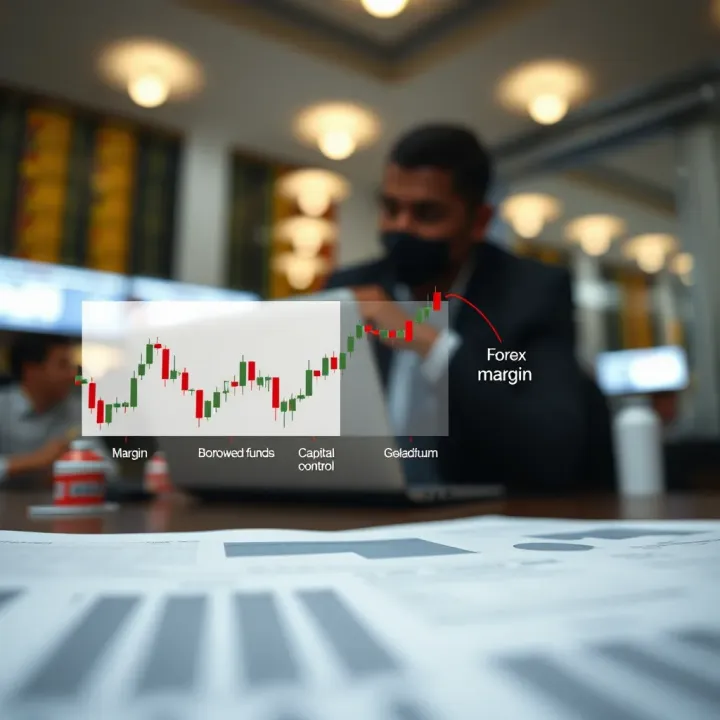
📉 Learn how margin in forex trading helps Kenyan traders control bigger positions with less capital. Understand margin calls, risks, and smart margin management to avoid big losses.

Explore Deriv Forex trading in Kenya 🇰🇪! Learn account setup, tools, risk management, and strategies for smart trading. Start your journey with confidence 🚀.
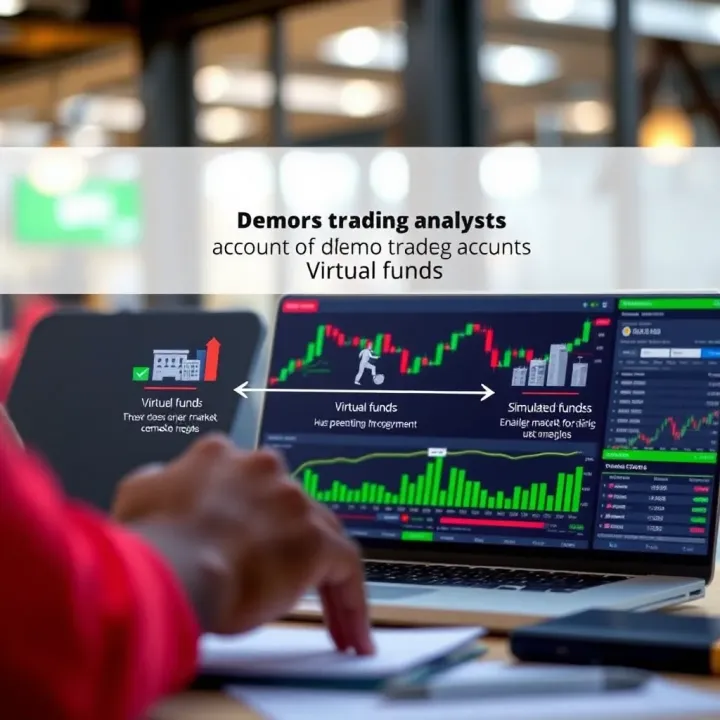
📊 Discover how demo trading accounts work and why Kenyan traders should use them. Learn tips, benefits, and key differences from live trading for smart decisions.
Based on 8 reviews