
Deriv Forex Trading Guide for Kenyan Traders
Explore Deriv Forex trading in Kenya 🇰🇪! Learn account setup, tools, risk management, and strategies for smart trading. Start your journey with confidence 🚀.
Edited By
Jessica Palmer
The New York session is one of the most important periods in the 24-hour forex market. It typically runs from 1 pm to 10 pm East Africa Time (EAT), aligning with New York business hours and overlapping with the London session for several hours. This overlap often triggers a surge in trading volumes, leading to increased volatility and offering prime opportunities for savvy traders.
Since the forex market never sleeps, it rotates through major centres like Sydney, Tokyo, London, and New York. The New York session stands out because it coincides with major economic releases from the US, the world’s largest economy by GDP and a key player in global markets. Kenyan traders who understand the timing and typical market behaviour during this session can better plan their trades, whether it’s day trading or swing strategies.
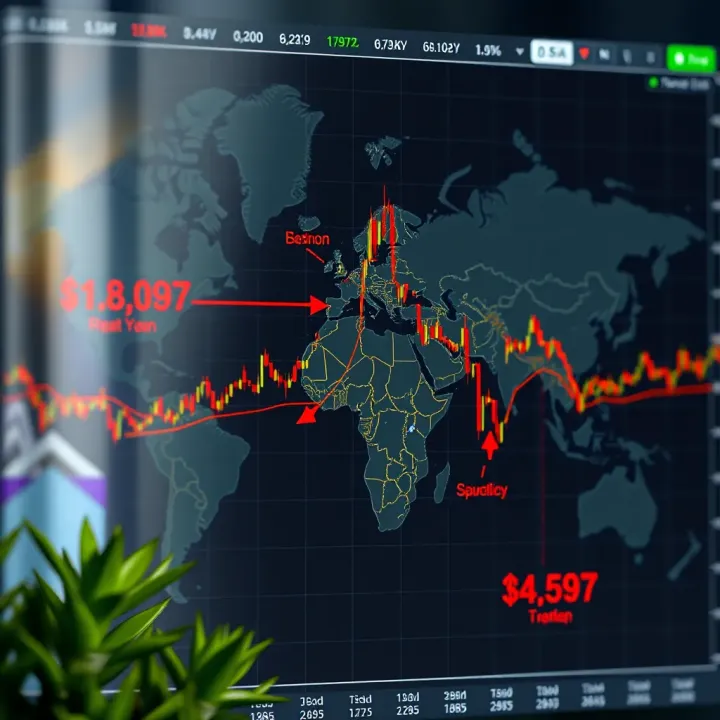
The New York session usually brings a spike in liquidity, which lowers spreads—this often makes it the best time to execute trades, especially in currency pairs involving the US dollar like USD/KES.
Active Trading Hours: 1 pm to 10 pm EAT, matching US market hours. Traders in Kenya will find these hours handy for active participation.
Overlap with London Session: From 3 pm to 5 pm EAT, both London and New York markets are open, intensifying market movements.
Economic Data Releases: US announcements such as non-farm payrolls, Federal Reserve decisions, and GDP data typically come out during this session, often causing sharp price movements.
USD Liquidity: With the US dollar dominating global currency reserves, volumes are usually highest during this time.
Mark Important Economic Events: Use an economic calendar to track US release times, which affect key pairs.
Focus on USD Pairs: Since liquidity is high, USD-related pairs like USD/EUR, USD/KES, and USD/GBP often show clearer trends.
Manage Risk: The volatility spike means potential profits can be high but so can losses. Use stop-loss orders wisely.
Optimal Trading Times: Consider trading during the London-New York overlap for best liquidity and market movement.
The New York forex session is one of the three major trading periods that shape the daily rhythm of currency markets worldwide. Its importance lies in its role as a primary hub for financial activity, influencing market liquidity and volatility significantly. For traders and investors, especially those in Kenya, understanding this session’s timing and behaviour helps in making informed decisions and better timing of trades.
Local time conversion for Kenyan traders: The New York session typically runs between 8:00 am and 5:00 pm Eastern Standard Time (EST). For traders in Kenya, which operates on East Africa Time (EAT), this corresponds to 3:00 pm to 12:00 midnight, given the usual time difference of 7 hours. This timing means most active New York trading hours take place in the late afternoon and night for Kenyan traders, making it essential to plan trading activities around this schedule to take advantage of peak market movements.
This timing also aligns with when global markets wind down in Asia and ramp up in Europe and the US. Kenyan traders may find it easier to monitor the market after working hours, but managing fatigue is key due to prolonged hours.
Comparison with other global trading hours: The New York session overlaps with the London session from 3:00 pm to 5:00 pm EAT. This overlap brings higher trading volume and volatility since two major markets operate simultaneously. Conversely, the Asian session runs earlier, roughly from 4:00 am to 1:00 pm EAT, followed by the London session from 11:00 am to 8:00 pm EAT. Understanding these overlaps helps traders anticipate shifts in market dynamics and capitalise on active periods.
Market liquidity and volume during this period: The New York session sees some of the highest liquidity in the forex market. This liquidity comes from large financial institutions, hedge funds, and individual traders converging during US business hours. For example, the overlap with London amplifies trading activity, often leading to tighter spreads and faster price movements. Higher liquidity generally translates to better trade execution and more reliable price signals, valuable for traders seeking entry and exit points.
During this session, market volume can surge by up to 30%, especially in USD-related pairs, offering more opportunities but also requiring careful risk management.
Impact on currency pairs: Currency pairs involving the US dollar (USD) usually experience the most activity during the New York session. Pairs such as EUR/USD, GBP/USD, and USD/JPY show enhanced movement and volatility, allowing traders to exploit price swings and breakout opportunities. For Kenyan shilling (KES), which often trades against USD, the New York hours can offer clearer signals due to the USD’s influence. Traders should pay close attention to economic announcements from the US, such as Federal Reserve interest rate decisions, which can cause significant shifts during this session.
In summary, the New York forex session’s timing, liquidity, and market impact make it a focal point for traders in Kenya and across the globe. Planning trades around this session can improve strategy efficiency and capitalise on some of the best market conditions available each day.
Understanding how the New York forex session overlaps and interacts with other major trading periods is key to grasping market behaviour and spotting trading chances. The New York session sits between the Asian and London sessions, creating periods where these sessions collide. These overlaps often push up volatility and liquidity — factors that traders can exploit for better entry and exit points.
When the New York session overlaps with London (around 3 pm to 6 pm Kenyan time), forex markets experience a spike in trading volume. Increased activity usually means bigger price swings, which can be both an opportunity and a risk for traders. For example, the EUR/USD and GBP/USD pairs often see sharper movements as banks, hedge funds, and financial institutions from both time zones transact simultaneously.
On the other hand, the overlap between the New York and Asian sessions is shorter and less impactful, typically lasting from 2 pm to 3 pm Kenyan time. Although quieter, this overlap can still offer opportunities, especially around major news releases from the US or Asia. Traders should keep an eye on volatility spikes during these hours, as smaller volume can lead to sudden price slippages.
During these overlap periods, traders often notice wider spreads and faster price fluctuactions. For instance, a Kenyan forex trader looking to scalp might prefer the London-New York overlap for its liquidity, while swing traders might choose quieter hours to minimise risk.
The New York session tends to kick off with high volatility, largely due to market participants reacting to the day’s fresh economic data. Movers include the US dollar and commodities such as oil and gold, given New York's role in both financial and commodity markets. Typically, prices can trend strongly in the first few hours before settling into more range-bound behaviour as the session closes.
Apart from regular market hours, several key economic releases during the New York session influence forex pairs. Reports such as the US Non-Farm Payrolls (NFP), Consumer Price Index (CPI), and Federal Reserve announcements often cause sharp price jumps. For Kenyan traders, timing positions around these releases is vital. For example, the NFP data, published on the first Friday of each month at 3:30 pm Nairobi time, commonly triggers a surge in USD volatility impacting pairs like USD/KES and EUR/USD.
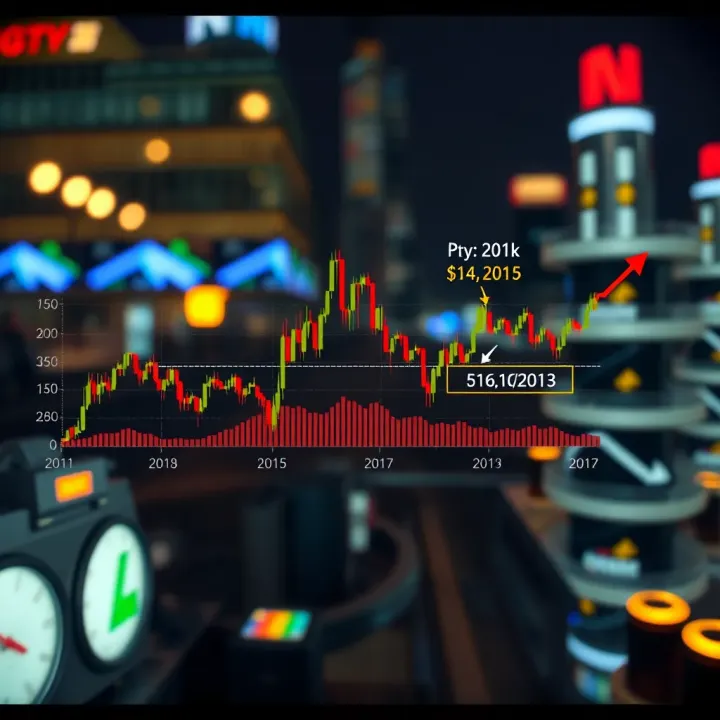
Traders should monitor the economic calendar closely and adjust their strategies accordingly to avoid unexpected losses or to seize potential breakthroughs.
Being aware of these session overlaps and unique New York characteristics helps Kenyan traders fine-tune their approach. Whether aiming for quick wins during volatile overlap hours or steady trades in quieter times, understanding this interplay gives a practical advantage in managing risk and maximising profits.
The New York forex session carries significant weight in global trading due to the involvement of the US dollar, the world's primary reserve currency. Understanding which currency pairs move most actively during this window helps traders anticipate volatility and find better entry points. This section looks at major USD pairs and how regional currencies, particularly from Africa and emerging markets, behave during New York hours.
The US dollar dominates the New York session, accounting for large trading volumes and liquidity. Pairs such as USD/JPY, USD/CAD, and USD/CHF tend to exhibit sharp price movements during these hours as traders react to economic data releases from the US or shifts in global risk sentiment. For example, a stronger-than-expected US jobs report often triggers a quick uptick in USD pairs, providing short-term trading opportunities.
Because many institutions in New York and beyond execute orders during their business hours, the volatility is usually higher compared to Asian sessions. Kenyan traders monitoring these pairs should be ready for rapid price swings, especially around key news events like Federal Reserve announcements or US GDP figures.
The EUR/USD pair, as the most traded forex pair globally, sees heavy activity during the New York session. This period overlaps with the latter part of the London session, creating a liquidity boost that often results in more stable yet pronounced moves. Traders find it beneficial to watch this pair closely for breakout or reversal setups in the afternoon Nairobi time.
Similarly, GBP/USD reacts strongly to US economic updates as well as UK-specific data released shortly before or during New York trading hours. Its spread and volume tighten, offering better trading conditions. For Kenyan forex traders, familiarising with these patterns supports more precise timing of trades and risk management.
The Kenyan shilling (KES), though less liquid on the global forex stage, is nonetheless influenced indirectly during New York hours. Movements in USD pairs, especially USD/KES, tend to reflect shifts in US policy and global market sentiment driven from New York. For instance, a hawkish US monetary stance could strengthen the dollar, leading to a weaker shilling against USD.
Neighbouring currencies like the Tanzanian shilling or Ugandan shilling can follow similar trends, especially through cross trading and regional economic ties. Kenyan traders should watch New York session developments closely, as shocks during this time often filter through to regional forex markets with some delay.
Many African and emerging market currencies rely heavily on commodity exports, such as the South African rand (ZAR) or Nigerian naira (NGN). The New York session overlaps with major commodity market hours in the US, meaning prices of gold, oil, or platinum often move in tandem with these currencies.
For example, a sudden drop in crude oil prices during New York hours can pressure the Nigerian naira, given Nigeria's oil reliance. Similarly, the South African rand may rally alongside rising gold prices. Kenyan forex traders focusing on these currencies can use commodity price updates as a leading indicator for currency moves, helping to improve trade timing.
Monitoring the major USD pairs and regional currencies during New York session hours offers Kenyan traders valuable insights. Staying alert to economic news and commodity price swings in this period can provide the edge needed for successful forex trading.
By understanding these active currency pairs and their behaviour during the New York trading hours, forex participants based in Kenya can align their strategies with market dynamics more effectively, capturing opportunities and managing risks in a timely manner.
Trading during the New York forex session presents unique opportunities and challenges, especially due to the volatility and liquidity experienced during this time. Having clear strategies helps traders manage risks effectively and maximise potential profits. Kenyan traders, juggling work schedules and other commitments, can particularly benefit from tailored tactics that suit the session's characteristics.
The New York session is known for sharp and sometimes unpredictable price swings, especially when economic data releases occur. To handle these sudden moves, traders often use technical indicators like the Average True Range (ATR) to gauge typical price movement boundaries and avoid entering trades during erratic market phases. For example, if the ATR suggests high volatility early in the session, a trader might avoid placing large trades until the market steadies.
Another practical way to manage sudden swings is to trade smaller positions during uncertain times. This approach limits exposure, so if the market moves strongly against you, losses remain manageable. For instance, a Kenyan trader using an Equity Bank platform might choose to reduce their lot size when the US Non-Farm Payroll numbers are about to drop.
Stop-loss and take-profit orders are essential tools in the New York session due to fast-moving prices. A well-placed stop-loss protects your capital by automatically closing a losing position before losses widen. Kenyan traders can set stop-loss levels just outside recent support or resistance zones to avoid being stopped out by normal fluctuations.
Take-profit orders help lock in gains once the price reaches a favourable level. During the New York session, which often sees quick price surges, having preset take-profit points ensures you don't miss the chance to cash in. For example, if trading the USD/KES pair, a trader might place a take-profit target 50 pips away, based on recent high volatility from the previous session.
Proper use of stop-loss and take-profit orders can turn a volatile session into a manageable trading environment, especially for those trading remotely or alongside other daily activities.
The overlap between the London and New York sessions, typically from 3 pm to 6 pm Nairobi time, sees the highest liquidity and volatility. Capitalising on this period can provide better trade execution and tighter spreads. Traders who monitor this overlap are more likely to catch meaningful trends and reversals.
For example, a forex trader based in Nairobi observing GBP/USD may notice stronger intraday moves during this overlap, offering clearer trade signals. Being ready to enter positions during these hours can improve trade success rates.
Economic news and data released during the New York session often cause abrupt market reactions. Kenyan traders should align their strategies to these releases by either avoiding trades just before major announcements or using breakout strategies immediately after.
Take the US Federal Reserve interest rate decisions as an example: the market tends to become volatile before and right after the announcement. Some traders prefer to stay out during the announcement window to avoid sudden losses, while others set entry points after confirming the market direction. Adapting your approach to the timing and nature of news can protect your trades and exploit new trends.
With proper risk management and well-timed entries, the New York session can become one of the most profitable times for forex trading, even for those juggling busy lives in Kenya.
Understanding practical factors is essential for Kenyan traders who want to navigate the New York forex session effectively. Trading during these hours means balancing market opportunities with daily realities like work schedules, family duties, and local resources. This section offers grounded advice on managing time, fatigue, and access to reliable platforms, helping traders optimise their strategies while fitting trading around life in Kenya.
Kenyan traders often juggle forex trading with full-time jobs, school runs, or small business activities. The New York session runs from 3 pm to midnight Kenyan time, overlapping with late afternoon and evening home life for many. This timing means traders must find ways to engage with the markets without neglecting their primary responsibilities.
For example, a teacher may monitor key currency pairs during their lunch break or shortly after work, focusing on crucial market hours before overnight positions. Alternatively, small-scale traders can plan shorter trading bursts at the session start or during overlaps with London’s close, maximising liquidity while preserving time for their families.
Trading late into the night can lead to fatigue, affecting decision-making and increasing risks. It's advisable for Kenyan traders to establish a clear trading schedule that respects their natural energy levels. Taking breaks, limiting screen time, and avoiding impulsive trades during tired hours helps maintain focus.
Some traders use technology like phone alerts or auto-close orders to manage positions without being glued to screens. This approach supports consistent performance and reduces burnout, especially since the New York session can be volatile, demanding quick reactions that tire the mind over time.
Access to dependable brokers with direct connectivity to the New York forex market is crucial. Kenyan traders benefit from brokers that offer low latency—meaning trades execute swiftly—and robust customer support during the session hours.
Brokers like XM, Tickmill, and HotForex have strong reputations in Kenya, providing platforms compatible with M-Pesa funding and with servers optimised for New York trading times. Choosing such brokers ensures smoother execution during volatile hours, reducing slippage and widening spreads, which can otherwise erode profits.
Staying updated with local financial news and economic developments helps Kenyan forex traders make informed decisions during the New York session. Platforms like Business Daily, The Standard Digital, and Nation Africa deliver relevant reports on KRA announcements, CBK monetary policy changes, or county-level economic activities that might impact the shilling or regional currencies.
Combining this local insight with global news feeds on US economic indicators—often released during the New York session—provides a fuller picture. Traders who monitor both local and international updates can better anticipate currency moves and adjust their strategies accordingly.
Practical trading success depends as much on managing your time and tools as it does on market knowledge. Kenyan traders who align their schedules and use local resources effectively can navigate the New York forex session with greater confidence and less stress.
Explore Deriv Forex trading in Kenya 🇰🇪! Learn account setup, tools, risk management, and strategies for smart trading. Start your journey with confidence 🚀.
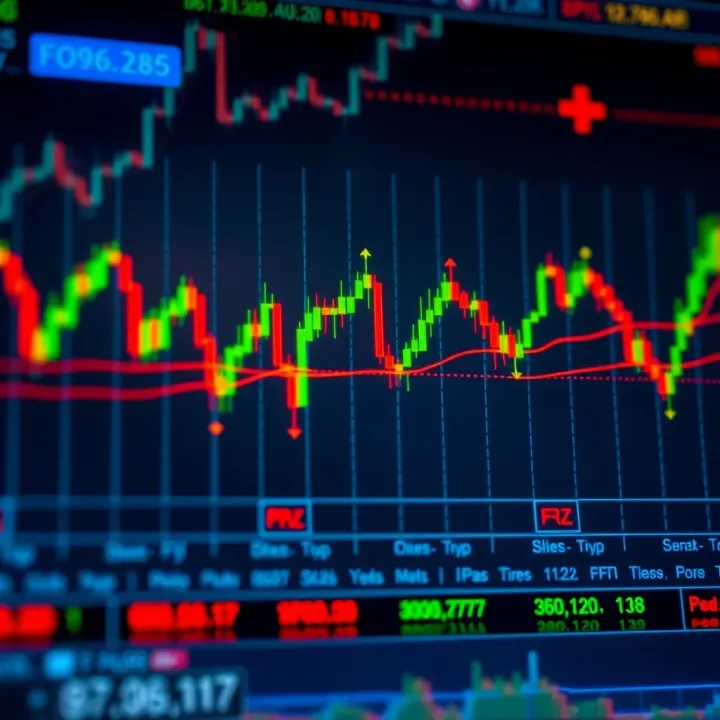
📈 Master forex chart patterns with our practical guide! Learn to spot key trends, predict market moves, and boost your trading skills using helpful PDF resources.

🤖 Explore bot trading in forex: understand how automated systems work, key benefits, risks, setup tips, and insights for traders in Kenya. 📈🇰🇪
📈 Learn how to track the Asian trading session in Kenyan time, understand its market hours & gain tips to trade smart during this key financial window.
Based on 10 reviews