
Understanding Forex Markets for Kenyan Traders
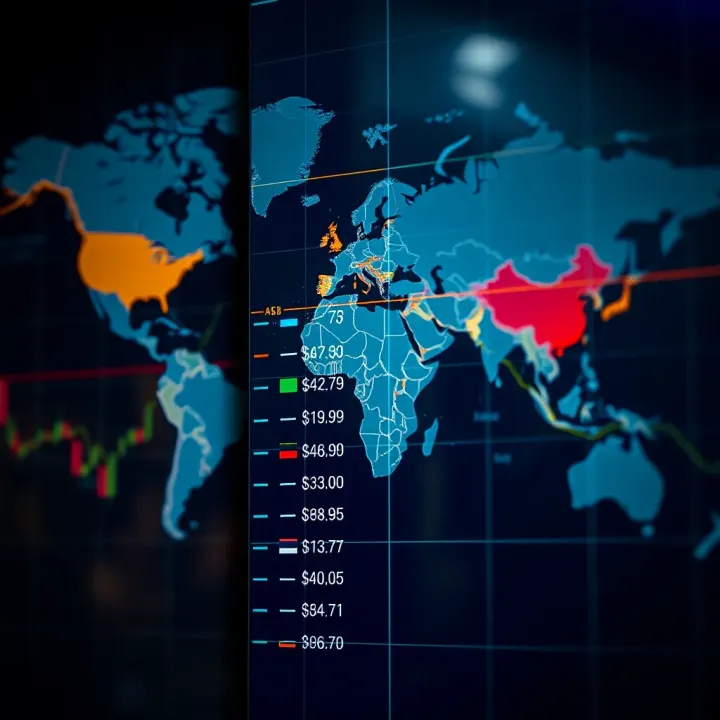
Explore how forex markets work and key players involved 🌍. Learn factors shaping currency values, vital strategies, tech access, and Kenya's regulations 💹.
Edited By
Oliver Davies
Forex trading continues to attract many Kenyans looking to grow their income beyond traditional channels like job salaries or nyama choma stalls. However, succeeding in forex markets requires more than just luck — it demands solid knowledge of how currency pairs move, what drives exchange rates, and how to manage risks effectively. This is where forex classes come in.
Forex classes in Kenya offer practical learning tailored for all levels, from beginners to experienced traders. These courses cover the basics, like understanding major and minor currency pairs, and go further into topics like technical analysis, chart reading, and developing trading strategies. For instance, a typical course might explain why USD/KES rates shift based on factors such as CBK policies, US Federal Reserve decisions, or global economic news.
Learners can attend forex classes through several formats. Physical classrooms in major towns like Nairobi and Mombasa provide face-to-face interaction and live demonstrations. Online courses give flexibility, letting traders study at their own pace with video tutorials, webinars, or interactive forums. It's common to find Kenyan fintech platforms or forex brokers offering tailored training that connects theory to local market realities, such as understanding how to use M-Pesa for funding trading accounts.
Choosing the right forex class depends on your trading goals, schedule, and budget. Look out for courses that:
Focus on real-world applications, not just theory
Include risk management techniques essential for preserving capital
Offer hands-on practice through demo platforms
Provide support or mentorship during and after the training
Successful trading rarely happens overnight. Forex classes help you build foundational skills and confidence before risking real capital.
In summary, forex classes are valuable stepping stones for Kenyan traders who want to navigate the fast-paced currency market with greater skill and less guesswork. By choosing a course suited to your needs and engaging fully with the materials, you set yourself up for smarter, more informed trading decisions.
Forex education is a vital step for anyone keen to trade foreign currencies successfully. Trading forex isn't just about guessing which way a currency will move; it involves understanding market dynamics, applying strategies, and managing risks. Forex classes equip Kenyan traders with the foundational knowledge and skills they need to approach this market wisely.
Without proper education, traders may fall prey to common pitfalls like emotional decision-making or overleveraging, leading to significant losses. For instance, beginners who jump in without grasping how currency pairs or leverage work often end up losing their initial capital quickly. Taking a structured forex course helps avoid such costly errors, turning trading from a gamble into a calculated activity.
Simply put, forex trading involves buying one currency while simultaneously selling another to capitalise on changes in exchange rates. It's the largest financial market globally, with daily turnover exceeding $6 trillion. For Kenyan traders, forex offers opportunities beyond local markets, enabling them to access global financial flows.
This market lets you trade currency pairs such as USD/KES or EUR/USD, where you aim to profit from the fluctuations in their values. Unlike shares or bonds, forex trading runs 24 hours during weekdays, allowing more flexibility to trade around your schedule.
Forex operates over a decentralized network of banks, brokers, and financial institutions, rather than a single central exchange. Trading happens electronically through platforms provided by brokers, making it accessible even to individual traders in Nairobi or Mombasa.
Prices move based on supply and demand influenced by economic news, geopolitical events, and central bank policies. For example, if the Central Bank of Kenya raises interest rates, the Kenyan shilling might strengthen, affecting currency pairs involving KES. Understanding these mechanisms enables traders to anticipate trends rather than guess blindly.
One chief advantage of forex classes is learning how to manage risks effectively. Trading forex without a grasp of risk management is like driving blindfolded. Classes teach methods such as setting stop loss orders and position sizing to limit losses.
For example, if a trader knows to risk only 2% of their account on a single trade, a losing streak won’t wipe out their capital. This discipline helps preserve funds during tough market conditions and keeps traders in the game longer.
Formal education also builds the confidence needed to trade consistently. Many new traders get nervous at the first signs of market volatility, leading them to panic sell or ignore their strategy.
Forex classes reinforce discipline by encouraging planned trading and emotional control. Practising with demo accounts during the course builds skills gradually. Over time, this approach shifts trading from an unpredictable gamble to an informed activity where decisions rest on analysis rather than fear or hope.
A well-structured forex class acts as a safety net, teaching you what markets expect and how to handle them with confidence, rather than leaving you to learn through costly mistakes.
In sum, forex classes serve as the foundation on which Kenyan traders can build practical skills, reduce unnecessary risks, and approach forex markets with the necessary confidence and discipline to succeed.
Forex classes cover several core topics that form the backbone of effective trading. These topics provide traders not just with theoretical knowledge but practical tools to navigate the fast-moving foreign exchange markets confidently.
Major currency pairs involve the most traded currencies globally, such as the US Dollar (USD), Euro (EUR), British Pound (GBP), Japanese Yen (JPY), and the Swiss Franc (CHF). For Kenyan traders, understanding these pairs is vital because they usually have the highest liquidity and tighter spreads, which means trading costs are lower. For example, EUR/USD is the world's most traded currency pair.
Minor pairs don’t include the US Dollar but still involve significant currencies, like EUR/GBP or GBP/JPY. These pairs are less liquid and more volatile, potentially offering higher risks and rewards. Knowing the distinction helps traders decide where to focus their efforts based on appetite for risk and market behaviour.
A pip is the smallest price change a currency pair can make, usually 0.0001 for most pairs. For example, if the USD/KES exchange moves from 109.5000 to 109.5100, that’s a 1 pip move. Pips help traders measure profits or losses in a very precise way.
Lots refer to the size of the trade. A standard lot equals 100,000 units of the base currency, but many brokers offer smaller sizes like mini lots (10,000 units) or micro lots (1,000 units), which are great for practising traders or those with limited capital.
Leverage allows a trader to control a larger position with a smaller deposit. For instance, a leverage of 1:100 means you can control KSh 100,000 with just KSh 1,000 in your account. However, while leverage can amplify profits, it also magnifies losses — so it's crucial to understand how to manage it carefully.
Charts visually represent currency price movements over time, and indicators are tools to help interpret these movements. Common indicators like Moving Averages, Relative Strength Index (RSI), and Bollinger Bands inform traders about trends, momentum, and volatility. For instance, a Kenyan trader might use the RSI to spot overbought or oversold conditions in USD/KES before deciding to enter a trade.

Mastering charts and indicators helps develop a strategy based on evidence, rather than guesswork. This technical analysis allows timely decision-making in a market that never sleeps.
Economic news deeply affects currency prices. Interest rate decisions by the Central Bank of Kenya (CBK), inflation reports, GDP figures, and even political events influence perceptions of currency value. For example, if CBK raises its base rate, the Kenyan shilling might strengthen because higher rates attract foreign investment.
Forex classes teach traders how to monitor such events and interpret their potential market impact. This fundamental analysis complements technical tools for an all-round trading approach.
A stop loss order limits how much a trader can lose on a trade by automatically closing a position if the price moves unfavourably beyond a set point. Conversely, a take profit order locks in gains once a target price is reached. These tools prevent emotion from driving decisions and help lock in profits.
For example, a trader entering a USD/KES buy position might set a stop loss 50 pips below entry to cap losses but a take profit 100 pips above to secure gains.
Knowing how much capital to risk per trade is essential. Position sizing involves calculating trade size based on the percentage of the account a trader is willing to risk. A common rule is risking no more than 1–2% of the trading account per trade.
This technique helps protect the overall account from severe drawdowns. For instance, with a KSh 100,000 account, risking just 1% means a maximum loss of KSh 1,000 on a single trade, which keeps you in the game longer.
Effective forex training focuses heavily on these core topics to build a solid foundation. Mastering currency pairs, analysis methods, and risk controls equips you with skills to trade more confidently and sustainably in Kenya's dynamic market environment.
The variety of formats available for forex classes in Kenya caters to different learning preferences and schedules. Whether you prefer studying from home or engaging directly with instructors, understanding these options helps you pick a format that fits your lifestyle and goals. Each format offers distinct benefits, offering flexibility or hands-on experience crucial for mastering forex trading.
Online courses have gained traction in Kenya due to their convenience. With busy schedules or long commuting times, traders can study forex fundamentals or advanced strategies from their computers or mobile phones at any time. For example, platforms offer pre-recorded videos accessible 24/7, allowing learners in Nairobi and smaller towns alike to progress at their own pace without missing essentials.
Selecting credible online providers is key to avoiding scams or subpar content. Popular Kenyan forex educators often partner with established platforms or advertise verified certifications. Pay attention to platform reviews, instructor experience, and whether courses cover Kenya-specific concerns like local brokers, KRA tax implications, or mobile payment integrations.
Several training centres in Nairobi, Mombasa, and Kisumu offer structured forex classes. These venues provide direct access to experienced traders and tailored content that reflects Kenya’s economic environment. Centres like Forex Academy Kenya host workshops that combine theory with group exercises, which benefit learners craving a classroom atmosphere.
Face-to-face settings allow instant interaction, clarifying complex topics like leverage or technical indicators on the spot. Students also network with peers, sharing practical trading experiences relevant to Kenyan markets. This environment promotes discipline and accountability compared to studying alone online.
Mentorship stands out for personalized attention. An established trader guides you through real trades and market analysis, highlighting pitfalls to avoid. This approach suits Kenyan traders looking for tailored advice—especially those applying forex knowledge alongside other income streams.
Coaching often includes live market sessions where you practise entering and exiting trades under supervision. This hands-on method reduces the gap between theory and practice, enabling you to build confidence before trading with real money. It reflects Kenyan traders’ preference for learning through doing, preparing them for the unpredictable forex markets.
Finding the right format depends on your schedule, budget, and preferred learning style. Combining online courses with mentorship can offer both flexibility and practical skills, preparing you for realistic trading challenges.
Choosing the right forex class is vital for Kenyan traders who want practical skills and a solid understanding without wasting time or money. Forex trading can be complex, so picking a course that matches your learning style, background, and goals improves your chances of success. For instance, a beginner will need a class covering basics with clear examples, while an experienced trader might prefer advanced strategies or technical analysis deep-dives.
Look closely at what the course covers before enrolling. A good forex class should include currency pairs, market terminology, technical and fundamental analysis, and risk management techniques. If you want to trade using charts, ensure the curriculum teaches chart reading and popular indicators like Moving Averages or MACD. Classes missing practical aspects like stop-loss setting or position sizing might leave you unprepared for real trading.
Trainer background matters a lot. Kenyan traders should verify if the instructor has a credible trading history or professional certifications relevant to financial markets. For example, if a trainer claims expertise but lacks a track record or works mostly in entirely different markets, it’s a red flag. You’ll want someone who not only understands theory but has navigated African and global forex markets practically, adapting lessons to local conditions like currency volatility and regulatory frameworks.
Forex class fees in Kenya vary widely, from a few thousand shillings for online tutorials to tens of thousands for in-person intensive sessions. Consider your budget carefully but don't pick only the cheapest option. A course charging KSh 30,000 might seem expensive but could include personalised coaching, live market examples, and ongoing support. Meanwhile, a KSh 2,000 online class may provide only basic information without guidance.
Free courses can be great for novices testing waters. Platforms like YouTube or forex blogs often offer basic lessons, but they may not be structured or updated. Paid courses usually provide well-organised content, videos, downloadable materials, and instructor access. Still, pay attention to reviews and see if paid courses offer genuine value rather than inflated promises. Free webinars hosted by reputable brokers can also provide insights without cost.
Checking what previous learners say gives real insight. Kenyan trading groups on WhatsApp, Facebook, or Telegram often share honest opinions about forex classes. Look for comments on course clarity, instructor responsiveness, and practical usefulness. A course praised for interactive sessions and real market strategies is likely more helpful than one full of jargon with little application.
Some forex classes create tight-knit communities of learners who support each other beyond lessons. Having peer groups allows Kenyan traders to discuss daily market moves, share tips, and stay motivated. Courses with active forums or group chats tend to help participants stick with learning and gain practical know-how faster than solo study. The social element also helps tackle challenges like psychological pressure and market uncertainty.
Choosing a forex class thoughtfully saves time and improves your trading edge by matching your needs with solid content, credible trainers, fair pricing, and a supportive learning environment. This balance is key for Kenyan traders aiming to thrive in one of the most dynamic financial fields today.
Developing practical skills through forex classes is critical for anyone serious about trading in Kenya's lively forex market. Theory alone won't cut it – you need to put knowledge into practice to navigate real market challenges effectively. Practical training sharpens your ability to analyse, make decisions, and manage risks, giving you a much clearer edge.
Many forex classes provide demo accounts or practice platforms where you can trade virtual money. This setup allows you to get familiar with trading software, placing orders, and monitoring trades without risking actual cash. Kenyan brokers like XM Kenya or FXPesa offer demo accounts accessible locally. Using these platforms helps hone skills such as timing trades and testing strategies under safe conditions.
Good forex classes recreate real market movements to give you a feel of actual conditions—everything from currency fluctuations influenced by global events to sudden volatility spikes. For instance, simulating a situation where the Kenya shilling weakens against the US dollar due to inflation reports helps you practice reacting quickly. Such experiences prepare you to respond calmly during live trading instead of making impulsive decisions.
Forex trading relies heavily on recognising and interpreting various market signals like price patterns, volume changes, and economic indicators. Classes teach you how to spot these signals early — say a head-and-shoulders pattern suggesting a trend reversal or a surge in trading volume signalling upcoming price action. Practising this sharpens your instincts and reduces guesswork when choosing trades.
Knowing when to enter or exit a trade can make the difference between profit and loss. Forex classes guide you on planning these moves based on technical levels (support and resistance) and fundamental news, such as upcoming Central Bank of Kenya interest rate decisions. You’ll learn to set realistic stop losses and profit targets, reducing emotional trading. For example, if economic data suggests the shilling might strengthen, you learn when best to open a buy position and when to close it before sudden reversals.
Practical skill development through simulations and sharp analysis equips Kenyan forex traders to face the market confidently and avoid common pitfalls that unprepared beginners fall into.
Putting your forex knowledge into practice is the step where theory meets reality. Without applying what you have learnt, classes are just ideas on paper. Making the move to real trading lets you test your understanding and build confidence while managing real stakes.
Selecting a licensed broker in Kenya is the first practical step after learning forex basics. Licensed brokers are regulated by the Capital Markets Authority (CMA), which means they operate under clear rules that protect your funds. Choosing an unlicensed broker carries risks, such as delays in withdrawals or losing money due to non-transparent practices. For example, brokers like Exness and HotForex Kenya have CMA licences and offer local account funding through M-Pesa, which makes deposits and withdrawals easy and secure.
Before you start trading, your broker will ask you to complete a Know Your Customer (KYC) process. This includes submitting identification like your national ID, proof of address, and sometimes a selfie for verification. This step protects against fraud and money laundering. In practice, completing KYC early speeds up account setup and withdrawal processes, so you don’t face unnecessary delays when you want to access your profits.
MT4 (MetaTrader 4) and MT5 are among the most common trading platforms used by Kenyan forex traders. They are available on both computers and mobiles. These platforms offer charting tools, real-time data, and automated trading options. For instance, MT4’s user-friendly interface helps beginners analyse charts and place trades effectively. Other platforms gaining ground include cTrader and proprietary broker platforms, but MT4 remains a staple due to wide broker support and strong community resources.
Kenyan traders heavily rely on mobile trading due to widespread smartphone use and mobile internet. When trading on mobile, ensure your network connection is stable, preferably using 4G or above. Avoid trading while moving to prevent accidental trade execution. Also, secure your devices with strong passwords since mobile devices are more susceptible to loss or theft. On top of that, using brokers that allow deposits and withdrawals via M-Pesa simplifies your financial transactions.
Forex trading is not a guaranteed way to make quick money, so managing your profits and losses is key. Set realistic profit goals and use stop-loss orders to limit losses. For example, many successful Kenyan traders recommend not risking more than 2% of your capital on a single trade to protect your account. Keeping emotions in check helps prevent poor decisions during losing streaks, so consistent review of your trading journal is a practical approach.
Markets change fast due to economic reports, political events, and global news. Keeping up with financial news sources like Bloomberg, Reuters, or even local business news helps you adapt your trades accordingly. Subscribing to daily forex updates or joining Kenyan trader groups online can also keep you informed. Continuous learning, through refresher courses or webinars, ensures your strategies evolve with the market rather than sticking rigidly to outdated methods.
Applying classroom skills in real trading requires preparation, the right tools, and ongoing learning. Taking these steps carefully boosts your chances of becoming a disciplined and successful forex trader in Kenya.
Explore how forex markets work and key players involved 🌍. Learn factors shaping currency values, vital strategies, tech access, and Kenya's regulations 💹.

Learn how spreads affect your forex trades 📉 and discover practical ways to reduce costs while trading currency pairs in Kenya’s dynamic market environment. 💹
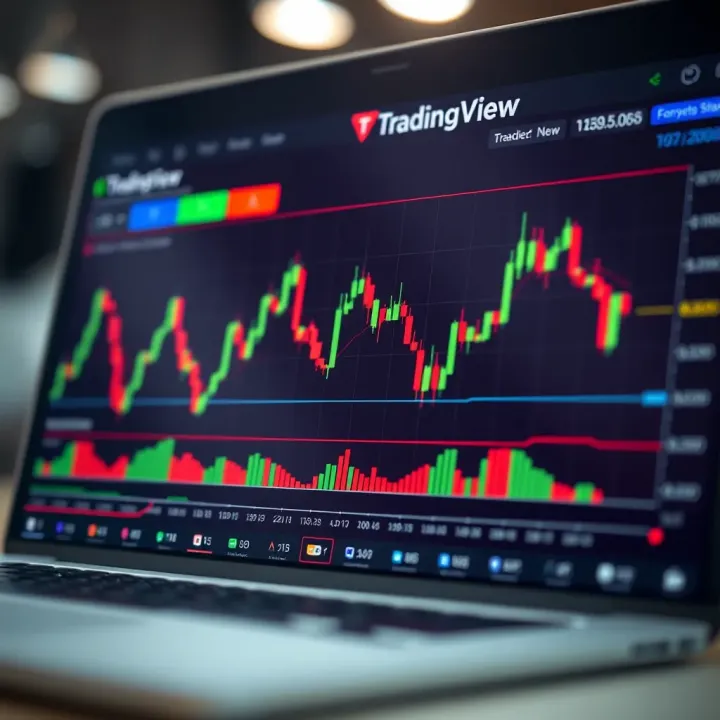
📈 Discover how TradingView helps Kenyan traders with real-time charts, data, and insights. Learn practical setup tips to match Kenya's trading needs and grow your portfolio.

📈 Learn how MetaTrader helps Kenyan traders access forex and commodities markets, set up accounts, use trading tools safely, and maximise profits with practical tips.
Based on 12 reviews