
Understanding Deriv Trading Bots: How They Work
🤖 Explore how Deriv trading bots work, their benefits, risks, and setup tips for Kenyan traders seeking smarter, automated strategies in real markets.
Edited By
Grace Ellis
Trading robots, also called automated trading systems or bots, are software programmes designed to buy and sell financial assets without constant human input. In Kenya's growing investment scene, many traders and brokers are exploring how these robots can help manage trades on platforms like NSE (Nairobi Securities Exchange) or Forex markets.
At their core, trading robots work by following pre-set rules. These rules can be based on technical indicators, price patterns, or economic data. For example, a robot may buy shares of an NSE-listed company once its 30-day moving average crosses above the 100-day average. It can then sell automatically if the price drops below a certain threshold.
Automated trading aims to remove emotions from decision-making, allowing for faster and more consistent actions.
There are clear advantages to using trading robots:
Speed: Robots react instantly to market changes, unlike humans who may hesitate or be distracted.
24/7 Monitoring: They can keep trading around the clock in global markets.
Backtesting: You can test strategies using historical data before applying them in real trading.
However, trading robots also have setbacks. Technical glitches can cause missed opportunities or unintended losses. Some bots depend highly on historical data that might not predict future market shocks, such as sudden political changes affecting Kenyan shilling exchange rates.
Before picking a trading robot, consider these factors:
Strategy Transparency: Understand the logic behind the robot's trading decisions.
Broker Compatibility: Check if the robot works with your chosen trading platform.
Cost and Fees: Evaluate initial costs and any ongoing subscription charges.
Risk Management: Does the robot include stop-loss or portfolio diversification features?
In short, trading robots can be useful tools if chosen and monitored carefully. They are not magic solutions but can support disciplined trading strategies, especially in Kenya's investing environment with fast-paced daily market updates and frequent currency fluctuations.
Trading robots play a significant role in today's financial markets by automating the buying and selling of assets. For traders and investors in Kenya, understanding what trading robots are and how they function helps in making smarter decisions about investing or using these tools. Their ability to operate without human fatigue and emotional interference can improve trade execution, especially in fast-moving markets like forex or cryptocurrencies.
Trading robots, often called algorithmic trading software, automatically place orders in financial markets based on pre-set rules. Unlike manual trading where a person analyses charts and decides when to buy or sell, these robots scan market data continuously and execute trades without breaks. This means you can have trades happening even outside typical trading hours, which is especially useful for markets accessible 24/7, such as crypto.
For instance, a Kenyan forex trader might use a robot programmed to buy the USD/KES pair when certain price patterns appear and sell when it reaches a profit target. This reduces the need to watch the screen constantly and react swiftly in real time.
At the heart of these robots is automated decision-making. They analyse market indicators and patterns using algorithms predefined by developers or users. This automation removes emotional aspects like fear or greed that often lead traders to make poor choices.
In practical terms, this means when the market suddenly swings due to breaking news or unexpected economic data, a robot can respond instantly based on its programmed criteria. While this speed can offer an edge, traders should remember to monitor and adjust these algorithms to align with current market conditions.
Trading robots operate based on algorithmic strategies—sets of rules encoded into software that guide when to enter and exit trades. These may include methods like trend following, mean reversion, or breakout detection.
For example, a robot might be set to buy an asset once it breaks above its 20-day moving average, signalling an upward trend. These strategies rely on historical data and mathematical models but need frequent review to avoid becoming outdated as markets evolve.
Technical indicators such as moving averages, Relative Strength Index (RSI), or Bollinger Bands are key tools that trading robots use to interpret price movements. These indicators help the robot identify potential trade opportunities.
Consider a crypto bot that uses RSI to detect overbought or oversold conditions and executes trades accordingly. This reliance on technical signals allows the robot to make decisions quickly and systematically, reducing the guesswork involved in manual trading.
Once the robot signals a trade based on its strategy, it automatically executes the order on the trading platform. This includes placing buy or sell orders at specified prices or market conditions.
In Kenya, where network connectivity can sometimes be patchy, reliable execution is critical. Trading robots connect directly to brokers’ systems and act faster than a human could. This speed is crucial to capturing sudden price moves for profitable trades. That said, occasional glitches underline the importance of regular monitoring to avoid unexpected losses.
Trading robots provide efficiency and speed that manual trading lacks but require careful setup and oversight to deliver consistent results.
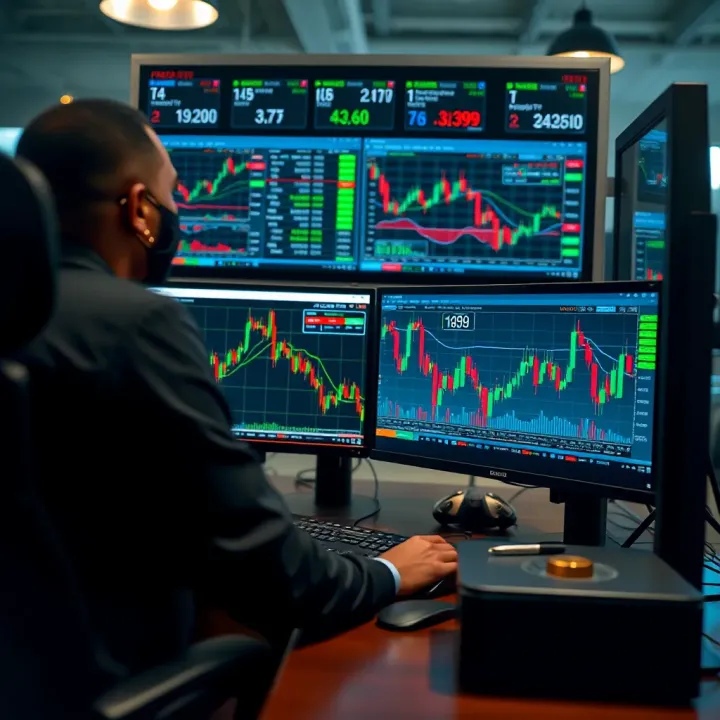
Trading robots bring practical advantages to traders who want to make the most of their time and resources. They automate many processes involved in trading, cutting down on manual work and reducing errors that often come with human involvement. In Kenya's fast-paced trading environment, especially in markets like forex and cryptocurrencies, these benefits become quite valuable.
Automation of repetitive tasks is one of the main benefits of trading robots. Actions such as scanning market conditions, calculating entry and exit points, and placing orders happen automatically. For instance, a forex trader no longer needs to watch price charts all day or manually enter trades. This automation saves valuable time and reduces the effort spent on routine activities, allowing traders to focus on strategy refinement or other business.
Bots can handle multiple markets simultaneously, something challenging for a human to manage effectively. This means you can diversify without spreading yourself too thin. In Kenya, where many traders combine trading with other jobs, this flexibility is particularly handy.
Trading 24/7 without fatigue is another significant advantage. Markets like cryptocurrency operate round the clock, and human traders can’t stay alert all the time. Robots don’t tire or lose concentration; they execute trades based on programmed criteria anytime. This continuous operation ensures no trading opportunities slip away, especially during off-hours when the market might still move significantly.
For Kenyan investors using platforms like Binance or LocalBitcoins, this means potential gains even while asleep or attending to daily chores. It helps level the playing field with professional traders who have more time at their disposal.
Maintaining consistent strategies is easier with trading robots because decisions follow a strict set of rules. Emotional reactions to market ups and downs don’t interfere. For example, fear during a sudden market drop might make a trader sell prematurely, but a robot sticks to its plan.
Bots execute trades based on pre-set conditions, which helps prevent erratic behaviour that could harm a portfolio. Kenyan traders, who might face psychological pressure from fast-moving forex or crypto markets, find that robots provide steadiness.
Preventing impulsive decisions is another benefit. Human traders often act on gut feelings or tips from unreliable sources, leading to costly mistakes. Robots remove this guesswork by relying solely on data and algorithms.
Without the temptation to chase quick profits or panic sell, a robot protects an investor from making snap decisions that can worsen losses. This discipline is especially useful for beginner traders looking to build good habits.
Fast execution of orders is crucial in markets where prices change within seconds. A trading robot processes signals and places trades instantly, something even a skilled trader can’t match manually.
In a volatile market like forex or Kenyan equities on the Nairobi Securities Exchange (NSE), milliseconds can mean the difference between profit and loss. Robots minimise slippage (the difference between expected and actual trade price) by acting swiftly.
Processing large data sets efficiently is another strength of robots. They analyse multiple technical indicators, historical data, and real-time price movements without missing details.
A human trader might miss subtle patterns buried in thousands of data points, but a robot can quickly identify trends and act accordingly. For example, in NSE trading, where many stocks move differently, robots help Kenyan investors by keeping track of complex signals without getting overwhelmed.
Trading robots offer measurable benefits in time-saving, emotional control, and execution speed. Kenyan traders who understand and use these advantages wisely can improve their chances of consistent profits while managing risks effectively.
By considering these strengths, investors can make more informed decisions about adopting trading robots suited to Kenya’s unique market conditions and trading culture.
Trading robots bring efficiency to markets, but they are not without issues. Understanding their challenges and risks helps investors and traders make better decisions and manage expectations. Technical glitches, sudden market shifts, and overconfidence in these systems can lead to losses if overlooked.
Software bugs and glitches can cause trading robots to behave unpredictably or freeze at crucial moments. For example, a poorly tested algorithm might place unintended orders or fail to close a position when it should. This can lead to financial loss or missed opportunities. In Kenya’s relatively new market for automated trading, the risk is higher with less mature or unsupported software.
Connectivity and platform issues pose another real threat. High-frequency trading needs stable internet and platform uptime. A brief disconnect or server downtime can cause delays in trade execution or prevent trades altogether. Imagine a forex robot failing to close a position due to a dropped internet connection during volatile market hours—losses can quickly pile up. Given Kenya's occasional network interruptions, this factor deserves keen attention.
Adapting to sudden market changes is tough even for the smartest robots. These systems run on pre-set parameters and struggle with unusual events like political upheaval or unexpected economic announcements. For instance, when Kenya’s shilling faces sharp fluctuations after unexpected policy news, a trading robot may continue executing trades based on past trends, resulting in losses.
Overfitting to historical data happens when robots are programmed to perform exceedingly well on past market patterns but fail to predict future movements. This narrow approach is risky because markets constantly evolve. A robot that trades like Kenya’s NSE behaved last year might flop if this year's conditions change drastically, like during festive seasons when volume and volatility differ.
Neglecting manual oversight is a common pitfall. Trusting robots blindly without constant monitoring can let errors go unnoticed for long. Even the best trading algorithms need human checks to adjust strategies or pause operations when markets shift unexpectedly.
Potential for amplified losses arises when users assume robots guarantee profits. Automated trades can multiply losses quickly, especially if leveraged trades are involved. A forex robot making repeated wrong calls in a short span during the rainy season, when global commodities prices dip unexpectedly, can drain accounts faster than manual trading.
Being aware of these challenges ensures that traders use robots wisely—not depend solely on them. Combining manual oversight with robotic efficiency provides a balanced approach to navigating Kenya’s dynamic financial markets.
Key points to remember:
Software bugs and internet issues can disrupt robot performance
Market volatility and sudden events challenge automated strategies
Overdependence without review can magnify losses
Understanding these risks puts you in control, helping you avoid costly surprises when using trading robots.
Trading robots are increasingly common in Kenya’s financial scene. They help investors automate trades across different markets, saving time and reducing human error. Knowing which type to use depends on the market you want to trade in and your investment style. This section covers the popular trading robots suited for Kenya’s forex, cryptocurrency, and equity markets, highlighting their operation and benefits.
Forex trading robots work by using programmed algorithms to analyse currency pairs and execute trades automatically. They scan market trends and technical indicators like moving averages or RSI (Relative Strength Index) to decide when to buy or sell. This automates the often fast-paced forex market where prices shift every second. These robots take out the guesswork and can act faster than human traders.
For Kenyan forex traders, bots offer a practical edge. Many local traders participate in the forex market via platforms like MetaTrader 4 and 5, where expert advisors (EAs) are popular. These robots allow beginners to trade without constantly monitoring the markets and help seasoned traders implement more complex strategies consistently. Given the 24/7 nature of forex, these robots operate even while traders rest or attend to other commitments.
Cryptocurrency markets are famously volatile, with prices of coins like Bitcoin or Ethereum fluctuating wildly within minutes. Trading bots built for crypto use advanced algorithms to quickly react to price swings, place orders, and manage risks. They often use strategies like arbitrage, where the bot exploits price differences across platforms, or trend following to catch upward momentum. The quick response time helps protect investments from sudden downturns.
In Kenya, several crypto exchanges support bot integration, such as Binance and Luno. This integration lets Kenyan crypto traders connect their accounts to bots safely, keeping control over funds while benefiting from automated trading. It's important for users to ensure the bots support local payment options like M-Pesa and comply with any CMA regulations that apply to digital assets.
Equity market robots automate buying and selling of shares on the Nairobi Securities Exchange (NSE). They analyse stock price trends, company performance indicators, and broader economic factors to make trade decisions swiftly. This automation helps investors capture the right moment to enter or exit positions without manual delays.
Kenyan investors value equity robots for features like portfolio diversification and risk management tools. These bots can be set to balance investments across sectors like banking, manufacturing, or telecoms according to predefined strategies. They aid both individual investors and fund managers to maintain steady growth and avoid impulsive trades, which are common in the NSE’s dynamic market environment.
Using the right type of trading robot for your target market in Kenya can improve trading efficiency and help manage risk better, but it is crucial to choose tools tailored to local trading platforms and regulations.
Before you commit to using a trading robot, there are several important factors to keep in mind. These considerations help ensure your investment isn’t left at risk by unforeseen issues and that you understand the practical aspects of automated trading before diving in. Trading robots offer convenience and speed, but they’re not foolproof. Taking time to assess providers, costs, testing options, and legal matters protects your financial interests and helps you make informed decisions.
Reputation and user reviews are your first line of defence against losing money to poor or dishonest service. A provider with a history of satisfied users is more likely to offer a stable, well-tested trading robot. Look beyond just star ratings—read detailed reviews and check forums where Kenyan investors share experiences. For example, if many traders mention constant glitches or unresponsiveness, that’s a red flag.
Regulatory compliance is another vital point. Trading services operating in Kenya must follow rules set by authorities like the Capital Markets Authority (CMA). A robot from a compliant provider signals greater trustworthiness and adherence to fair trading practices. Operating without CMA approval, or from overseas providers with unclear regulation, can expose you to legal troubles or fraudulent schemes. Always confirm the provider’s status with official regulators where possible.
Subscription and commission charges vary widely among trading robots. Some charge a flat monthly fee, others a percentage of profits or per trade commission. Kenyan traders should weigh these costs against expected returns to avoid surprises. For instance, a frequent trader using a robot with high commissions may find net profits much lower than anticipated. Reading the fee structure carefully before subscribing prevents unnecessary losses.
Hidden costs to watch out for might include charges for software updates, withdrawals, or API connections to your broker. Some providers advertise low fees but embed additional costs that quickly add up. Suppose a robot requires a premium data feed or constant internet usage; these expenses may not be evident upfront. It’s wise to ask for a full breakdown of all charges and test the robot’s actual cost over time.
Demo accounts and trial periods allow you to test a trading robot without risking real money. Most reputable providers offer simulations matching live market conditions. Use these opportunities to understand the robot’s strategy and performance during different market phases. For example, seeing how it handles the Nairobi Securities Exchange (NSE) slow days or volatile forex sessions in demo mode helps build confidence.
Importance of ongoing performance checks cannot be overstated. Even after purchasing, you must monitor the robot’s results regularly. Markets evolve, and a model that won once may struggle later. Tracking metrics like win rate, drawdowns, and response speed ensures the robot still suits your goals. Routine reviews help you decide if adjustments or immediate shutdowns are necessary, ultimately protecting your capital.
Compliance with Capital Markets Authority (CMA) guidelines requires all automated trading services to operate under recognitions and licences that ensure investor protection. Using a trading robot that aligns with CMA rules reduces risks of scams and market manipulation. If a robot service isn’t registered with CMA, you might be exposed to penalties or forced closure.
Tax responsibilities on robot-assisted trading profits demand attention. The Kenya Revenue Authority (KRA) expects traders to report taxable income from all investments, including gains from automated trading. Failing to declare these profits can lead to fines and legal consequences. It’s sensible to keep detailed records of transactions executed through the robot and consult a tax expert familiar with Kenyan tax law to handle filing properly.
Assessing these factors carefully helps you avoid common pitfalls and supports smarter use of trading robots in Kenya's dynamic financial market.
In summary, choosing the right provider, understanding all costs, testing thoroughly, monitoring performance, and staying within Kenyan legal and tax frameworks are key steps for anyone considering a trading robot. These steps make automation an effective tool rather than a risky gamble.
🤖 Explore how Deriv trading bots work, their benefits, risks, and setup tips for Kenyan traders seeking smarter, automated strategies in real markets.
🤖 Learn how trading bots automate market trades, their pros and cons, and what Kenyan traders should consider before using them for smarter investing decisions.
📈 Learn how to open and manage trading accounts for stocks, bonds, and commodities in Kenya. Get tips on costs, types, and features to grow your investments safely.

📉 Learn how spreads impact your forex trading costs, ways to spot broker differences, and practical tips to manage spreads well in the Kenyan market. 💱
Based on 8 reviews