
TradingView and Binary.com: Guide for Kenyan Traders
📈 Learn how to use TradingView’s charts with Binary.com for smarter online trading in Kenya. Get tips on account setup, risk management, and local trading hacks.
Edited By
Charlotte Hughes
TradingView has become a popular platform for traders and investors worldwide, and Kenyan traders are no exception. The good news is that you don’t necessarily need to pay to get valuable insights and tools. The free version offers plenty to get started with, whether you’re analysing local equities or following global forex pairs.
This guide aims to help you make the most of TradingView’s free features. You'll learn what is included without upgrading, the practical benefits, and where limitations might affect your trading style. By the end, you’ll be able to use the platform confidently for technical analysis, spotting trade setups, and keeping an eye on market sentiment.
Free doesn’t mean useless. Many traders begin with zero cost and still crack winning trades.
First, the free tier lets you access most chart types and indicators. You get a solid range of technical tools such as Moving Averages, RSI, and MACD, which are the bread and butter of many trading strategies. While you’re limited to one chart per layout and a few indicators at a time, this setup works well for simple analysis of one or two instruments.
Second, TradingView’s social aspect shines even in the free plan. You can view ideas and strategies posted by other traders, participate in discussions, and follow experienced experts. This community insight is helpful, especially if you’re new or want to see how others approach Kenyan NSE stocks or regional commodities.
Third, for Ethiopian or Ugandan investors watching Kenyan markets from afar, TradingView’s cloud-based access means you can log in from anywhere—be it your laptop in Nairobi or a mobile device on the matatu ride home.
Finally, the free plan offers real-time data on some markets but has refresh delays with others. For NSE equities, prices update fairly fast, but some global assets might lag slightly unless you upgrade. Still, for most retail traders balancing multiple tasks, this delay is manageable.
In summary, the free version of TradingView provides enough features to analyse charts, gather market intel, and participate in the trading community effectively. As your skills grow or if you trade higher volumes, you can decide whether paid plans with extra charts, alerts, and data feeds become worthwhile.
Next, we will explore the specific features available in the free tier and how to apply them for Kenyan trading contexts.
TradingView offers an accessible entry point for traders and investors who want a practical way to analyse markets without upfront costs. Its free services provide enough tools and information to help users make reasonably informed decisions, especially for those just starting or trading casually. Kenyan traders can benefit by accessing basic charting and market data without needing expensive subscriptions or software.
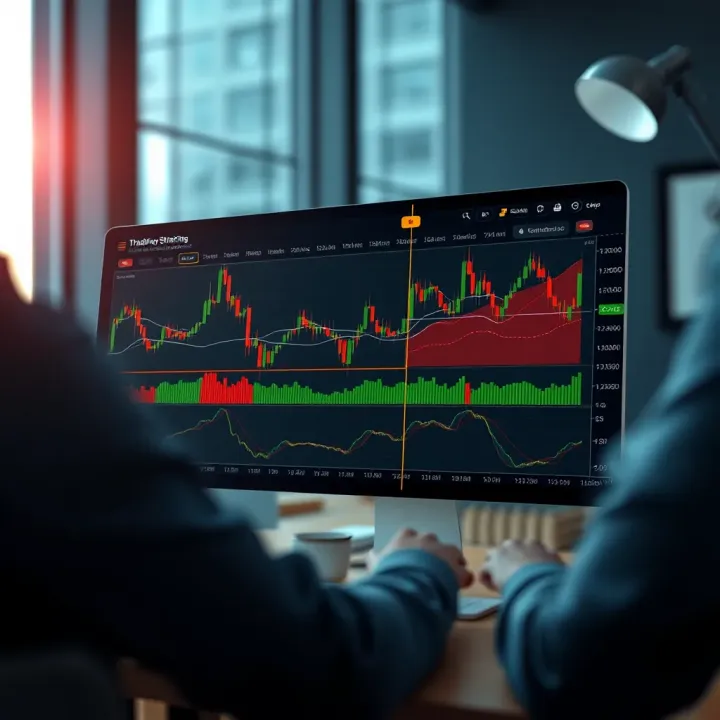
TradingView’s free plan includes fundamental chart types such as candlestick, line, and bar charts. These charts allow users to track price movements visually over different timeframes—from minutes to months. For example, a KenGen stock investor can view its daily candle chart to decide when to buy or sell based on price patterns. Even with the free option, the tools enable effective visualisation of market trends and are a good foundation for technical analysis.
While the free tier restricts the number of technical indicators to a few per chart, the essentials like moving averages, RSI (Relative Strength Index), and MACD (Moving Average Convergence Divergence) are included. Drawing features, such as trend lines and support/resistance levels, help traders identify key price points. The limitation encourages learning to prioritise indicators that fit your strategy. For instance, a casual forex trader focusing on simple trend following can rely on just the moving averages without getting overwhelmed by too many signals.
TradingView includes social elements where users share trade ideas, technical analysis, and strategies openly. These public posts and scripts provide valuable learning resources. A beginner can follow experienced traders, join discussions in chat rooms, or even test public indicators customised by others. This interaction enhances understanding and can spark better trading decisions, especially for Kenyans looking to tap into a larger community beyond local markets.
The free plan suits newcomers who want to learn chart reading and market behaviour without investment in software. As many Kenyan youths and first-time investors use platforms like Equity Bank and KCB to begin saving or trading, TradingView’s free tier provides an easy way to practice analysis. Users can experiment with indicators and chart layouts without pressure while building confidence.
Those who keep an eye on markets occasionally, perhaps to monitor their retirement savings or stock portfolio performance, find the free tools sufficient. The ability to view price movements and basic trends helps casual investors across Kenya stay informed without paying monthly fees. It fits well with the slow-market habits during certain seasons when activity dips.
In Kenya’s hustler economy, budget matters. Many small-scale traders and jua kali entrepreneurs aim to keep costs low, including on tools. TradingView’s free plan offers decent analytical power without forcing a subscription. It allows users to focus capital on actual trades, not software. For instance, a boda boda owner trading in forex after hours can use the free service to monitor opportunities without extra expenses.
The free TradingView plan packs valuable charting and community features that suit many users beginning their trading journey or trading part-time, especially where managing costs is a priority.
Overall, the free services present a practical way for Kenyan traders to sharpen their skills and track markets without financial commitment, making it a solid starting point before considering paid upgrades.
TradingView's free plan provides a solid foundation for traders who need reliable charting and market data without upfront costs. While the premium versions offer advanced tools, the free tier covers the essentials any trader or investor will find useful. Understanding these features helps you decide how to best use the platform and whether a paid upgrade might be necessary.
Candlestick, line, and bar charts are the backbone of TradingView’s charting toolkit on the free plan. Candlestick charts, popular among traders across Nairobi and Mombasa, show open, high, low, and close prices clearly, which helps identify patterns like reversals or breakouts. Line charts provide a simpler view, useful for spotting general trends quickly, while bar charts, similar to candlesticks, give a slightly different visual cue on price movements. For a beginner investor watching NSE (Nairobi Securities Exchange) shares or forex pairs like USD/KES, these chart types allow enough flexibility to analyse price action effectively.
The drawing tools on TradingView include trend lines, support, and resistance levels—key elements in technical analysis. With just a few clicks, you can draw trend lines to spot directional shifts or highlight support and resistance zones where prices often bounce or stall. These tools are vital when planning trade entries or exits, especially when combined with indicators. For instance, a trader marking a resistance level on Safaricom PLC’s price can decide when to take profits or place stop losses. These drawing tools do not require a subscription, and their practical use helps traders organise their analysis neatly.
When it comes to timeframes and layout options, the free plan offers multiple timeframe choices such as 1 minute, 5 minutes, hourly, daily, and weekly charts. This range works for both day traders and long-term investors who prefer scanning different periods. However, the free tier limits users mostly to a single chart layout at a time, meaning you cannot view multiple charts side-by-side. Still, being able to switch between timeframes aids in spotting intraday price movements or confirming longer trends. Kenyan traders watching volatile forex pairs or commodity prices can schedule their analysis efficiently by toggling through these timeframes.
With the free plan, you get access to a wide range of markets including stocks, forex, commodities, and cryptocurrencies. This diversity allows you to monitor global markets alongside regional favourites. For example, a trader interested in both NSE stocks and crypto coins like Bitcoin will find TradingView’s symbol library helpful. However, the data provided has some restrictions; real-time pricing depends heavily on the market and can be subject to delays.
Data delays and limitations affect some markets more than others. While major forex pairs tend to update rapidly, stocks listed on NSE or commodity prices may refresh with delays of a few minutes. This affects decisions for day traders who need up-to-the-second information. For Kenyan retail traders using the free plan, this generally means relying on end-of-day analysis or trading with a slight time lag. Paid plans offer faster data access, but the free tier still suits many beginners or casual investors who do not require real-time data.
Regarding Kenyan market availability, TradingView includes NSE and other regional markets, though the depth of available data varies. Some Nairobi-listed stocks may have delayed price updates, and limits on historical data mean you might not access detailed past price patterns easily. However, the platform’s coverage still compares favourably with other free charting tools available locally and enables users to stay informed about Kenyan stocks alongside international assets.
One of TradingView’s strongest points, even on the free plan, is its public ideas and scripts sharing. Users publish trade ideas, chart analyses, and custom-built technical scripts for others to explore. This crowdsourced knowledge is valuable for traders looking to learn or confirm viewpoints. For example, a newbie investor can follow analyses posted by Kenyan or African traders on Safaricom’s price action to get fresh insights before making decisions.
Beyond ideas, TradingView offers chat rooms and forums where users discuss market conditions and share tips. Engaging with these communities can provide local context or help you discover new trading strategies relevant to the Kenyan market. Rather than working in isolation, you join a network of traders providing real-time feedback and support.
Following successful traders is also possible. The platform allows you to follow top traders, watching their public trade setups and ideas. This social aspect helps you track experienced voices and learn their approach without paying for costly mentorship. It's like having a virtual trading club where ideas flow freely, enhancing your market knowledge.
Even though certain features come with limits in the free plan, TradingView offers enough tools to help Kenyan traders develop good habits and solid analysis skills before considering paid upgrades.
Overall, the free TradingView features form a practical starting point for analysing a range of markets, drawing essential technicals, and tapping into a wider trading community. This balance of tools and social connection supports better trading decisions without straining your pocket.
TradingView's free plan offers useful tools for traders and investors, but it comes with some limitations you should be ready to handle. These constraints mainly concern how many tools you can use simultaneously, the presence of advertisements, and the speed or access to market data. Understanding these restrictions helps you plan your trading setup and decide if the free tier meets your needs or if upgrading makes sense.
Only a few indicators per chart: On the free plan, you can only apply a limited number of technical indicators on any single chart—usually up to three. This matters because many traders use several indicators together to confirm signals. For example, combining the Relative Strength Index (RSI), Moving Average Convergence Divergence (MACD), and a volume indicator gives a fuller picture of the market. With the free plan, you need to prioritise which few indicators actually serve your strategy best.
Single chart layout by default: Unlike paid subscribers who get multiple chart layouts side by side, free users are stuck with only one chart at a time. This presents challenges if you want to compare different assets or timeframes simultaneously. Imagine trying to follow the NSE 20 share index alongside forex rates and commodities but having to switch tabs constantly—that can slow down decision-making during fast market movements. Still, single chart focus can work well for starters who prefer simpler set-ups.
Types of ads shown: While using TradingView for free, you will notice banner ads and occasional pop-ups promoting their premium plans or sponsored content. These ads mostly appear along the sides or the corners of your screen. Unlike aggressive web adverts, TradingView keeps these relatively unobtrusive, but they are still interruptions you wouldn’t face when paying for premium.
How they affect user experience: The ads can distract, especially during intense analysis sessions where you need to concentrate fully on charts and signals. For some Kenyan traders working from matatus or cafes with mobile data, these extra screen elements may increase data use or slow down load times a little. However, if you have reliable internet, ads are more an inconvenience than a major issue.
Delays on certain markets: Real-time data is key for active trading, but free users mostly get delayed price quotes—sometimes by up to 15 or 20 minutes—on markets like stocks and forex. For example, when trading Safaricom shares on the Nairobi Securities Exchange, your quotes might lag, meaning you view prices not exactly current. This delay can affect time-sensitive decisions like entering or exiting a trade.
Comparison with paid plans: Paid subscriptions offer faster data refresh rates and access to real-time market feeds. For day traders or those dealing with volatile markets like cryptocurrency, this speed difference can be critical. Also, premium users get real-time data on African markets that are sometimes unavailable or delayed on the free plan. For anyone requiring up-to-the-minute data to catch quick movements, upgrading is often the better option.
When using the free TradingView plan, being aware of these limitations helps manage expectations and plan trades accordingly, especially given Kenya’s growing appetite for digital trading platforms. The free tools offer good entry points, but smart users know when to switch up for better features.
Making the most of TradingView's free tier means understanding its limits and working cleverly within them. This plan offers useful tools but requires disciplined use to avoid feeling stuck. By choosing the right indicators, tapping into the community, and organising your trading time, you can punch above your weight without spending a shilling.
Not all indicators carry the same weight for every trader. Prioritising those that fit your trading style keeps your charts clean and your decisions sharp. For instance, a swing trader focusing on medium-term trends might rely on moving averages and Relative Strength Index (RSI), while a day trader would prioritize volume and stochastic oscillators. Picking a handful suited to your approach helps avoid clutter and confusion.
Combining a few powerful indicators is smarter than piling on many that overlap or contradict. A good combination might be using moving averages to spot overall trends alongside RSI for overbought or oversold signals. This pairing offers a clear signal without flooding your chart with excessive data, maintaining speed and clarity even during heavy market moves.
TradingView’s public ideas allow you to learn from various traders sharing real-time analysis. Observing these can reveal new strategies or market angles you might not consider. However, always treat published ideas as starting points, not gospel truth. Cross-checking with your own research is key to avoid blindly following others’ views.
The platform also lets you customise and save scripts shared by the community. This feature is particularly handy when a public script aligns with your style but needs tweaks, such as changing alert parameters or visual settings. Saving your versions ensures you keep track of what works best, plus you can quickly access these custom tools during busy trading periods.
With the free plan, some data comes with delays, affecting real-time decisions, especially for active traders. To work around this, schedule your sessions to avoid relying on split-second market moves. For example, reviewing charts and setting your watchlist before or after market hours can optimise analysis when data is stable.
Preparing your analysis before the market opens helps set up a clear plan for the day. Kenyan traders can examine overnight global market moves or commodity prices, particularly relevant for markets like NSE or forex, to make informed decisions. This pre-market homework reduces hasty trades during volatile periods, keeping your strategy grounded.
Remember, efficiency with limited tools often beats having many features underused. By applying these tips, you can stretch TradingView’s free offer into a powerful ally in your trading journey.
Deciding when to move beyond TradingView's free plan depends largely on your trading goals and needs. While the free plan offers solid basic tools, certain features become handy or even necessary as your trading activity grows or becomes more sophisticated. Upgrading provides access to advanced capabilities that can save you time, increase precision, and offer a smoother experience. Kenyan traders should weigh these benefits against costs based on their strategy and market involvement.
Having the ability to view multiple charts simultaneously is a real advantage if you track several assets or markets. The free plan limits you to a single chart, which can slow down your analysis when you want to compare different stocks or forex pairs side by side. For example, a trader monitoring both the NSE 20 Share Index and Forex rates like USD/KES will find it easier to spot correlations or divergences with multiple charts open at once. Upgrading allows custom layouts and more charts, enhancing multitasking and quicker decision-making.
The free version restricts the number of indicators on a chart, which might limit your technical analysis scope. If your trading style relies on combining several indicators such as RSI, MACD, and moving averages, the paid options unlock more slots. Similarly, custom alerts notify you of price movements or indicator signals without having to watch the screen continuously. This matters especially when juggling several assets or market sessions, including outside Kenyan trading hours. Extra alerts mean you stay updated in real time, which can sharpen your entry and exit timing.
Day traders require closely timed data updates to respond swiftly to price changes. The free plan typically involves delayed quotes for many markets, which can be frustrating when seconds count. Real-time data reduces delays and shows live market conditions. This is particularly vital when trading volatile assets or during high-impact news events. For Kenyan traders active in intraday forex or commodities trading, the faster refresh can improve trade timing and risk management.
Certain African stock exchanges or commodity markets may not be fully available on the free plan or may have delays. Paid upgrades often offer better access to regional markets such as the Nairobi Securities Exchange (NSE), Uganda Securities Exchange, or Dar es Salaam Stock Exchange with more accurate, timely data. This improves the reliability of your analysis for African equities and supports better investment decisions in local markets.
Advertisements within the free TradingView interface can disrupt concentration or clutter the screen. Removing ads creates a cleaner workspace, making it easier to focus on chart patterns and signals. This smoother workflow matters when performing detailed analysis or during fast-paced trading sessions. An uncluttered interface reduces distractions and helps maintain a steady trading rhythm.
While free users get basic support, premium accounts receive priority assistance. This can be a significant advantage when technical issues arise or when you need help setting up complex indicators or alerts quickly. For serious traders relying on TradingView daily, timely resolution of problems minimises downtime and potential lost opportunities. Also, priority support often includes better educational resources and earlier access to new features.
Upgrading isn't necessary for everyone, but if you find your trading needs growing beyond basic tools, consider the benefits of enhanced features, real-time data, and a distraction-free experience to improve your edge in the markets.
📈 Learn how to use TradingView’s charts with Binary.com for smarter online trading in Kenya. Get tips on account setup, risk management, and local trading hacks.

📈 Explore TradingView Deriv APK for Kenyan traders: detailed steps to download, install safely, plus market analysis features and mobile vs desktop comparison.
📈 Discover how TradingView helps Kenyan traders with real-time charts, data, and insights. Learn practical setup tips to match Kenya's trading needs and grow your portfolio.
📈 Discover how Kenyan traders can seamlessly combine Deriv and TradingView for smarter trades. Learn setup tips, strategies, and solutions for smooth trading.
Based on 12 reviews