

Understanding Derivatives in Kenya's Financial Markets
📊 Explore how derivatives work in Kenya's markets, types available, risks and benefits for investors and businesses, plus local rules to sharpen your financial skills.
Edited By
Charlotte Mitchell
Dollar Printer FX has grabbed attention as an online platform that promises to help users earn money through foreign exchange (forex) trading and digital investment strategies. It mainly appeals to people eager to tap into the forex market without requiring deep expertise or trading experience.
At its core, Dollar Printer FX claims to automate forex trades using algorithms (computer programmes) designed to spot currency market opportunities. Users are thus meant to benefit from buying and selling currency pairs like USD/KES or EUR/USD through these digital tools.

User registration: Individuals sign up on the platform and often deposit funds using familiar Kenyan payment methods such as M-Pesa or bank transfers.
Automated trading: Once deposited, users enable the system to carry out trades automatically, theoretically applying tested strategies to make profits.
Earnings and withdrawals: Profits are credited back to the user account, which can be withdrawn or reinvested.
Many platforms like Dollar Printer FX pitch this model with claims of consistent returns, low risk, and ease of entry. However, experience from Kenya’s growing online forex and investment community shows that success requires understanding underlying risks.
Forex trading carries inherent risks, including market volatility and the potential for losses. Platforms claiming guaranteed earnings should be approached with caution.
For Kenyan traders, it’s crucial to differentiate between legitimate online forex brokerage firms regulated by the Capital Markets Authority (CMA) and unregulated systems often marketed as "easy earners".
The risk factors include:
Lack of regulatory oversight leading to possible scams.
Limited transparency on algorithm workings.
Dependence on continuous user deposits to sustain payouts.
In summary, Dollar Printer FX attempts to automate forex trading earnings but demands careful scrutiny before engaging. For professionals and serious traders, thorough due diligence, use of CMA-regulated brokers, and strong risk management remain the best route to safer forex participation in Kenya.
Next, we will explore red flags to watch out for and safer approaches related to online forex platforms in Kenya.
Understanding what Dollar Printer FX is and how it works is key before you consider engaging with the platform. It claims to be a digital tool designed to help users earn money through foreign exchange (forex) trading and investments. Since forex markets are complex and often volatile, knowing how a platform operates in this space helps you assess its potential benefits and risks properly.
Dollar Printer FX presents itself as an online trading system that automates parts of the forex exchange process. Users typically register on the platform, deposit funds, and then rely on the system's algorithms or strategies to carry out trades on their behalf. The platform markets its technology as a way to simplify forex trading, making foreign exchange accessible even to those without deep market knowledge.
Platform features usually include real-time currency exchange tracking, automated trade execution, and dashboards where users can monitor their current earnings or account status. However, it's critical to understand exactly how the platform handles funds, manages trades, and how transparent it is with its operations.
The core service marketed by Dollar Printer FX centers around supposedly automated forex trading with minimal input from users. It claims to use proprietary algorithms to analyse currency pair movements and execute trades at optimal moments. Besides trading, some platforms like this may offer investment options that include digital assets or cryptocurrencies as part of their portfolio.
Another possible service might be educational resources or market insights aimed at helping users understand the forex environment better. This can be valuable, but users should verify the quality and credibility of such content. Customer support and advisory services may also be advertised, yet their responsiveness and expertise should be tested.

According to the platform’s claims, users earn as Dollar Printer FX trades forex on their behalf—profits come from correctly timed currency trades that exploit exchange rate fluctuations. Typically, the user must first deposit an amount to be used as trading capital. Earnings are then intended to accumulate automatically through the platform’s trading activities.
Users may also be encouraged to refer friends or recruit new members to earn commissions, which is common with some online investment schemes. In practice, consistent profit from forex trading requires skill and market understanding, which is often lacking in purely automated systems.
It’s important to remember that forex trading carries real risk, and no automated platform guarantees profits. Careful due diligence before investing is necessary, especially in platforms promising easy money through forex.
In sum, knowing how Dollar Printer FX claims to operate, the specific services it promises, and the ways users are meant to benefit helps you approach the platform with eyes wide open. This clarity is essential to making informed decisions and avoiding pitfalls associated with some online forex tools.
Before putting your hard-earned money into any online platform, especially one like Dollar Printer FX that deals with forex and investment claims, it’s vital to check how legitimate it really is. Many Kenyans have seen examples where seemingly promising platforms turned out to be scams or ran into serious legal trouble. Knowing the legitimacy helps you avoid losses and ensures you’re dealing with an entity that respects regulations and safeguards your funds.
A genuine platform often displays transparency in its operations. For example, it should have clear contact details, physical office addresses, and verifiable team credentials. Trusted platforms usually provide detailed terms and conditions, so you know exactly how your money will be handled. In Kenya, legitimate forex brokers often offer demo accounts for trial before you commit real money—this shows they want users to understand the system first. Payment methods should include well-known options like bank transfers, M-Pesa, or other recognised mobile money services, without forcing you to use obscure channels.
Customer reviews and independent ratings can also shed light. If you find the platform discussed positively on established Kenyan financial forums or news sites like Business Daily, that’s a good sign. Also, check if the platform regularly publishes trading performance reports rather than just promotional claims.
Beware of promised quick, guaranteed profits with little effort. Forex trading always carries risk; no one can assure consistent gains without losses. If Dollar Printer FX pressures you to deposit large sums immediately or offers rewards for bringing new clients (referral schemes that feel more like recruitment), these are major warning signs.
Lack of clear information on how exactly profits are made or absence of corporate registration documents is another red flag. In some cases, the platforms avoid answering questions or delay user withdrawals, which can indicate liquidity problems or fraud. Be cautious if their website uses poor grammar or outdated information—this could hint the platform is not professionally managed.
Regulatory approval plays a key role in safeguarding your investments. In Kenya, the Capital Markets Authority (CMA) oversees forex and investment firms. Any platform claiming to operate forex trading must have a valid CMA licence or be registered as a recognised entity.
Without licensing, there’s little legal recourse if things go wrong. For example, if Dollar Printer FX doesn’t appear on CMA's official registered firms list, you risk losing all your money with no protection. Licensed entities must follow strict rules for transparency, capital reserves, and client fund segregation, which helps prevent misuse of your funds.
Always verify the licensing status before investing. You can contact CMA directly or check their official website for up-to-date listings of approved forex brokers and investment firms.
Understanding these components when examining Dollar Printer FX or similar platforms equips Kenyan traders and fintech professionals to make informed decisions, minimising the risk of falling victim to fraud or regulatory breaches.
Trading on platforms like Dollar Printer FX involves considerable risks that every user must recognise. These risks are not always apparent upfront, yet they can significantly impact your finances. In Kenya’s context, where digital trading is growing fast, understanding these pitfalls is crucial for anyone thinking of investing their hard-earned KSh.
Many online forex services promise high returns, but the reality often involves volatility and uncertainty. Price swings in forex markets can wipe out profits in moments, especially when leverage — borrowing to trade with more than your deposit — is used. For example, a trader putting in KS0,000 with high leverage might lose more than their initial investment if the market moves against them. Besides market risks, some platforms may lack transparency about fees or order execution, leading to hidden costs or unfair trade conditions.
User feedback on Dollar Printer FX and similar platforms often highlights problems such as difficulty withdrawing funds, unresponsive customer support, or claim delays in profit payments. Some traders report sudden account freezes reportedly for "security checks", which can turn into permanent loss of access. Such issues typically point to poor platform management or, worse, less scrupulous operations. For instance, a Kenyan trader who invested KS0,000 on a similar site found their withdrawal requests ignored for weeks, impacting their personal budget.
Kenyan traders face unique financial risks beyond just market fluctuations. Lack of regulation means there’s little recourse if something goes wrong. Unlike established financial institutions supervised by bodies like the Capital Markets Authority (CMA), unlicensed platforms operate with limited accountability. This leaves Kenyan investors vulnerable to scams or fraudulent schemes. Moreover, the use of mobile money platforms like M-Pesa for deposits increases exposure if the platform turns fraudulent, since reversing such transactions can be near impossible.
Be cautious when dealing with online forex platforms. Thoroughly research the platform, check for regulatory licences, and start with amounts you can afford to lose.
In sum, while platforms like Dollar Printer FX may appear attractive, it’s vital to weigh their risks carefully. Educating yourself on the platform’s reputation, understanding the volatility of forex markets, and realising Kenya-specific risks can save you from severe financial losses. Always remember, no online trading system guarantees profits without a tradeoff in risk.
Navigating online forex and investment platforms in Kenya requires a cautious and informed approach. Many platforms, including Dollar Printer FX, promise attractive returns, but not all operate within the legal frameworks or offer genuine opportunities. Understanding how to verify and protect yourself before investing can prevent losses or exploitation. This approach is especially relevant for Kenyan traders and investors who often face challenges like limited regulatory oversight and the rise of online scams.
Start by thoroughly researching any online platform before committing your money. Look for clear information about the company’s registration, licensing, and physical presence. In Kenya, licensed forex brokers must be registered with the Capital Markets Authority (CMA). You can check the CMA website for a list of authorised firms; if a platform is missing, it raises serious doubts.
Pay close attention to user reviews and feedback from verified sources. While no platform has perfect ratings, patterns of complaints about delays in withdrawals or unexplained fees should ring alarm bells. Also, examine the platform’s transparency: do they plainly explain how trades work, fees charged, and the risks involved? Beware of platforms that make unrealistic profit promises or use aggressive recruitment tactics.
Use trusted forums and social media groups focused on Kenyan investors to gather community insights. Sometimes fellow traders share first-hand experiences that reveal hidden details. Also, test the platform with a small amount of money or a demo account if available before scaling your investment.
Once confident about an opportunity, employ safe investment habits to protect your funds. Always use strong, unique passwords for your trading accounts and enable two-factor authentication where possible. Never share your login details with anyone, even if they claim to be platform support.
Start with a modest investment you can afford to lose. Investing lump sums without proper risk assessment is risky, especially with forex platforms known for volatility. Diversify your investment instead of putting everything into one platform or asset.
Make use of platforms that support secure payment methods like M-Pesa or recognised bank transfers which offer some transaction protection. Avoid paying through unfamiliar or untraceable channels.
Regularly monitor your account transactions and withdrawals. If anything seems suspicious or difficult to withdraw, act quickly by contacting platform support and, if necessary, reporting to Kenyan regulators such as CMA or the Police Cyber Crime Unit.
Remember, no matter how convincing an online forex platform sounds, protecting your capital should be your top priority. Proper research and cautious practices can save you from costly mistakes.
By applying these verification and safety measures, Kenyan investors can better navigate the complexities of online forex trading and reduce the risk of falling victim to fraudulent schemes like some reports surrounding Dollar Printer FX suggest.
📊 Explore how derivatives work in Kenya's markets, types available, risks and benefits for investors and businesses, plus local rules to sharpen your financial skills.

📊 Discover how derivatives work in calculus & finance with clear examples. Understand their role in academics and real-world use in Kenya and beyond.
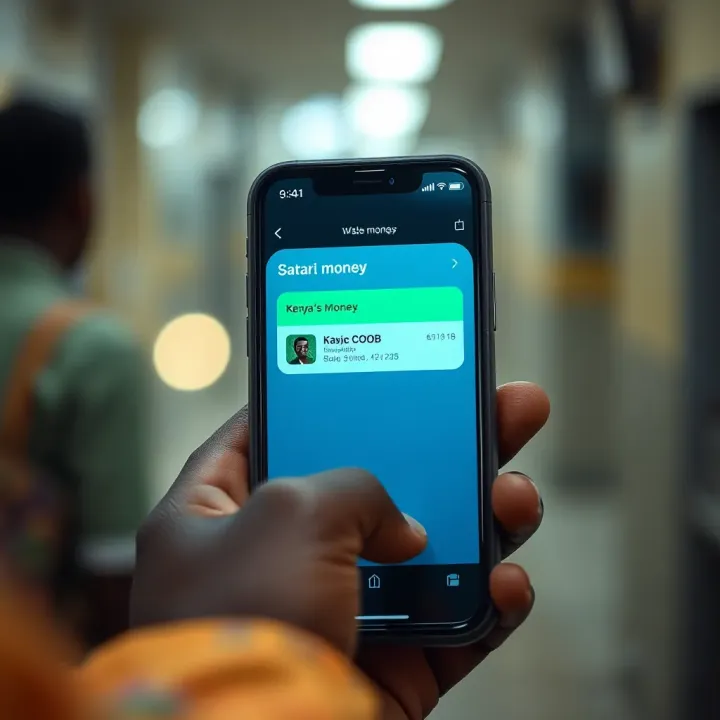
Discover what Sarafu means in Kenya 🇰🇪, its role from physical cash to M-Pesa digital money 💸, its history, and how it shapes daily spending and saving habits.
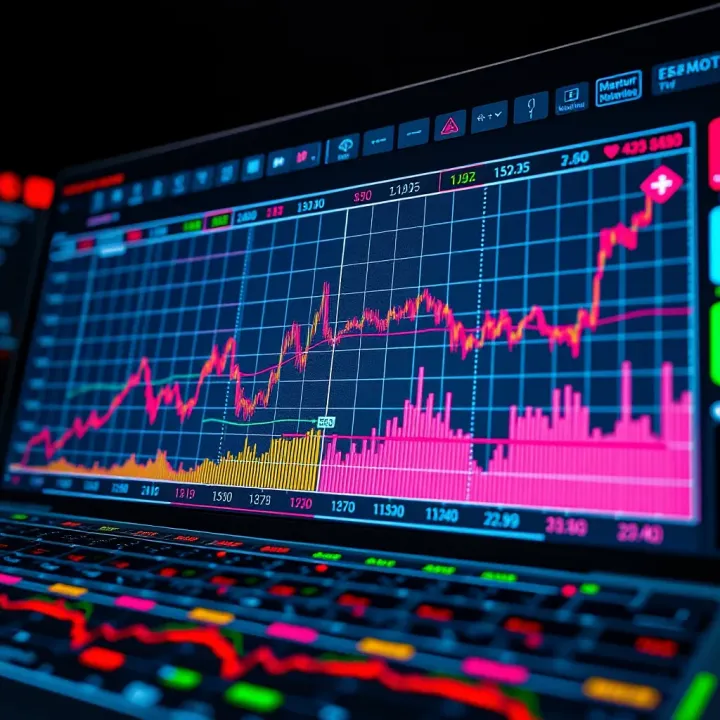
🔍 Discover how turbo prediction boosts forecasting with stats and computing. See top uses in sports betting, finance, plus tips relevant for Kenya and beyond.
Based on 13 reviews