

Understanding Forex Trading Spreads
📉 Learn how spreads impact your forex trading costs, ways to spot broker differences, and practical tips to manage spreads well in the Kenyan market. 💱
Edited By
Henry Morgan
Margin level is one of the foundational concepts in forex trading that every trader needs to understand clearly. It tells you how much of your available margin you are using and helps you protect your trading account from going into loss beyond what you can afford. In Kenya, where many traders participate using platforms like FXPesa or HotForex Kenya, knowing your margin level helps avoid sudden surprises like margin calls or forced trade closures.
At its core, margin level is expressed as a percentage. It compares the value of your equity (your account balance plus or minus open trade profits or losses) to the used margin (the money set aside to keep your trades open). This percentage shows how much buffer you have before your broker steps in to close trades to prevent further losses.
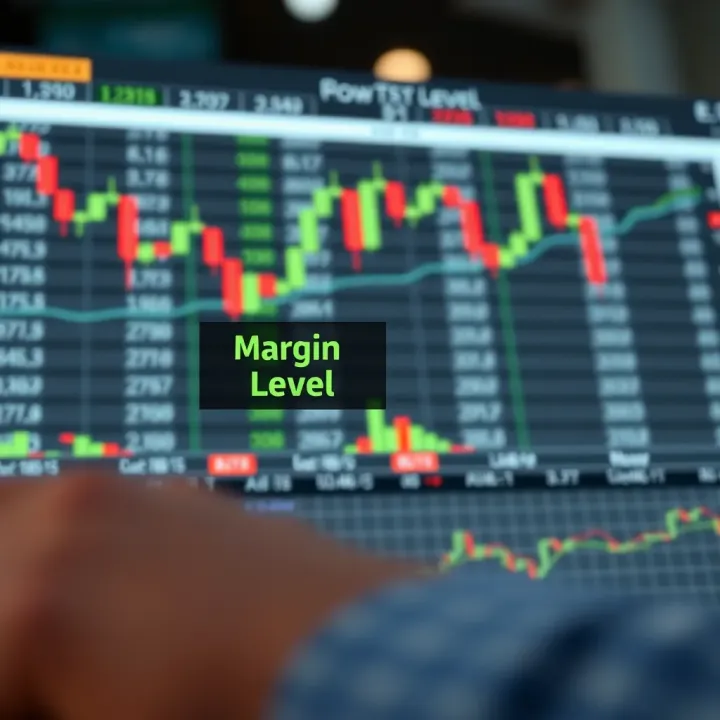
A low margin level indicates higher risk and could mean your account is near a margin call. Keeping an eye on it helps you manage risk proactively.
The formula is quite straightforward:
For example, if your trading account has KSh 50,000 equity and you have used KSh 10,000 in margin, your margin level is (50,000 / 10,000) × 100 = 500%. This means you have a comfortable cushion before the broker takes any action.
If this margin level drops below a certain threshold (often 100% or as set by your broker), you risk a margin call, where the broker may require you to add funds or start closing your losing trades.
Risk Management: It helps you understand how exposed your account is. A higher margin level means safer territory.
Avoiding Margin Calls: Brokers use margin level to decide when to intervene and close trades automatically.
Trade Size Decisions: Understanding how margin affects your level lets you choose trade sizes that match your risk appetite.
In Kenyan trading circles, many underestimate how fast margin level can drop when market volatility picks up. That sudden fall can wipe out months of gains in hours if you're not careful.
Always monitor your equity and margin used regularly, especially during volatile times.
Use stop-loss orders to limit potential losses that could drain your equity.
Avoid over-leveraging—Kenyan brokers often provide leverage up to 1:500, but higher leverage means swifter margin erosion.
Keep some funds aside as reserve so you can top up if your margin level gets low.
With these basics, Kenyan forex traders can better manage their accounts, reduce risk, and trade with more confidence.
Margin level is a critical concept that every forex trader needs to understand. It tells you how much of your available funds are being used to keep your trades open, and it helps keep your account safe from wiping out entirely. For Kenyan traders, knowing your margin level can prevent sudden margin calls and show you how much room you have for new trades or to handle market swings.
First, margin refers to the amount of money a trader needs to put aside—or lock up—to open a position. It does not come out of your total funds immediately but acts like a good faith deposit. Margin level, on the other hand, is a percentage that shows the relationship between your current equity and the used margin. Equity is basically your account balance including both realised profits and losses, plus any unrealised profits or losses from open trades.
Think of margin as the petrol in your car's tank reserved for a particular journey—your trade. Margin level then tells you how healthy your overall fuel situation is for continuing that trip without running dry.
The margin level directly affects the safety and flexibility of your trading account. Trading platforms usually display this percentage to indicate how close you are to a margin call—a warning that you're running low on funds to hold your positions.
For example, if your margin level falls below 100%, it means your equity is less than the margin you’ve set aside, which often triggers a margin call. At this point, your broker may ask you to either add more funds or close some positions.
If the margin level drops too low, say to 50%, brokers may start closing your positions automatically to protect both you and themselves from further losses—this is known as a stop out. This automatic closure can happen suddenly, especially if markets move rapidly, so maintaining a buffer margin level is essential.
Keeping a healthy margin level is like keeping some safaricom airtime on deck—it lets you continue communicating without abrupt cuts.
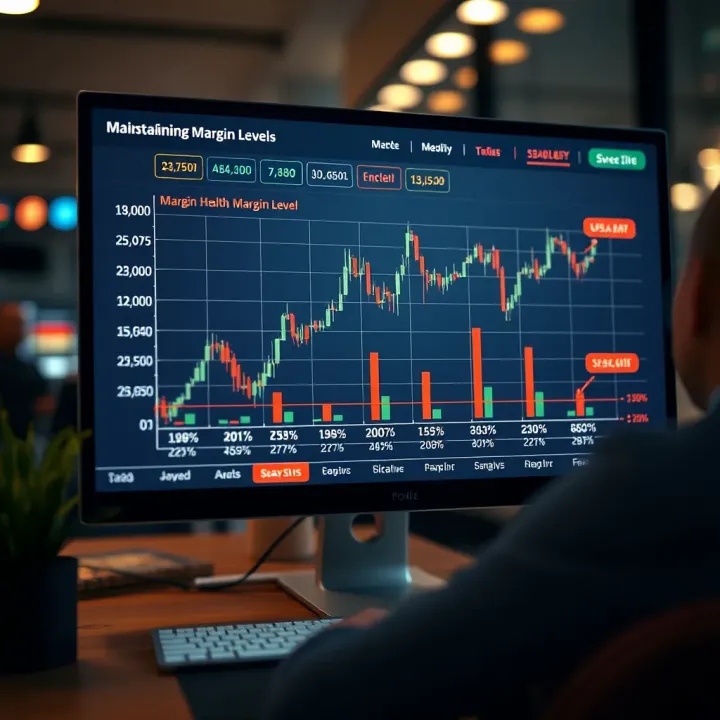
In practice, always monitor your margin level and avoid stretching your account thin with too much leverage. In trading, margin level is a guardrail; it doesn’t stop you from making trades but keeps you aware of your limits and helps you manage risk better.
Understanding how margin and margin level link together empowers you to trade more confidently and avoid surprises caused by margin calls or forced position closures.
Understanding how to calculate margin level is essential for any forex trader. This calculation helps you monitor your account’s health and make timely decisions to avoid margin calls. Knowing your margin level means you can better manage risks and protect your capital, especially when the market moves against your positions.
Margin level is expressed as a percentage. The formula traders use is:
Equity is the total funds in your trading account, including unrealised profits or losses.
Used Margin is the amount of money reserved to keep your open positions running.
This formula tells you how much of your available funds support your open trades. A higher margin level means more buffer against sharp market moves.
When your margin level falls below the broker’s required limits, you risk receiving a margin call or even automatic liquidation of your positions.
Imagine you start with a trading account of KSh 100,000. You open a position that requires KSh 10,000 as margin. After some market movement, your equity changes due to profit or loss.
Your equity after the trade moves to KSh 110,000 (a KSh 10,000 profit).
Your used margin remains KSh 10,000.
Plugging these values into the formula:
plaintext Margin Level = (KSh 110,000 / KSh 10,000) × 100 = 1,100%
This margin level of 1,100% means your account is comfortably supporting your trades.

Now, say the market swings the other way, and you end up with an equity of KSh 8,000 (a loss of KSh 2,000). Used margin is still KSh 10,000.

```plaintext
Margin Level = (KSh 8,000 / KSh 10,000) × 100 = 80%
At 80%, you are dangerously close to typical margin call levels (often around 100%). In this case, the broker may ask you to add funds or close positions to avoid liquidation.
By regularly calculating margin level with exact figures in Kenyan Shillings, you get clear insight into your trading risks. This also helps you decide when to close or add to positions, and when to deposit more funds.
In sum, calculating margin level using this simple formula and local currency examples offers Kenyan traders a practical tool to stay on top of their forex trading account safety.
Margin level plays a big role in how forex traders in Kenya manage their accounts and keep risks in check. For many traders, especially beginners, understanding margin level is what separates a controlled trade from a messy margin call. It tells you how much of your funds are tied up in open positions and how much room you have before the broker steps in. Knowing this helps you avoid sudden losses that could wipe out your investment.
Risk management starts with keeping a healthy margin level. In Kenya, where forex trading is gaining popularity among retail traders, margin calls are more common than many expect. When your margin level drops too low, brokers usually issue a margin call, demanding more funds or closing positions automatically. This can happen faster than you might think, especially if the market suddenly moves against you.
For example, imagine you have KSh 100,000 in your trading account and you've used KSh 50,000 as margin to open trades. If your open trades lose value and your free margin drops, your margin level percentage decreases. Once it hits the broker's margin call level—often around 100%—you’ll get a warning. Not topping up your account or closing losing positions can lead to a stop out, where the broker closes trades at a loss to protect itself and your account.
Being aware of your margin level means you can act early. Set alerts on your trading platform or check regularly to avoid being caught off guard. Remember, a margin call doesn’t just freeze your trades; it might force an exit at the worst time.
Leverage magnifies your buying power but also affects your margin level directly. Kenyan brokers commonly offer leverage ratios like 1:100 or 1:200, which means you can control a position 100 or 200 times larger than your margin deposit. While this may seem attractive, it also tightens your margin level buffer.
Using too much leverage means even tiny adverse market moves will lower your margin level quickly. For instance, with a leverage of 1:200, a 0.5% loss on your position could equate to a 100% loss of your margin, triggering a margin call almost immediately.
This means you must balance leverage carefully. Trading with moderate leverage gives you more breathing room and helps maintain a safe margin level. It’s better to grow your investment steadily than to risk losing it all overnight. Many Kenyan traders find that a leverage ratio between 1:20 and 1:50 provides a sensible compromise between risk and reward.
Understanding margin level isn't just about calculations; it’s about protecting your capital and making informed trading moves.
By keeping both your risk management strategies and leverage in check, you can navigate forex trading with greater confidence and fewer surprises in the Kenyan market.
Brokers play a vital role in protecting traders and the overall market by closely monitoring margin levels. Their main aim is to ensure that clients do not take on more risk than their accounts can handle. This supervision helps prevent major losses that could affect both the trader and the broker.
Brokers set specific margin call and stop out levels to keep your account in check. A margin call occurs when your margin level falls below a certain threshold, usually around 100% or higher depending on the broker’s policy. At this point, the broker alerts you that your funds are running low compared to the open positions. This is a sign to either deposit more funds or close some trades to free up margin.
If your margin level continues to drop and hits the stop out level — typically set at 50% or less — the broker will automatically start closing your losing positions. This is to stop your account from going into negative balance. For example, suppose you started with KSh 100,000 and your margin starts shrinking due to losing trades. If your margin level hits the stop out point, the broker closes enough positions to bring your account to a safer position. This process happens in real-time, ensuring your losses don’t spiral uncontrollably.
When your margin level drops, it means your available funds are getting dangerously low relative to your used margin. This often happens because your open trades are losing money. As your margin level declines, you lose flexibility to open new trades or manage existing ones.
At a low margin level, you risk receiving a margin call if you haven't already, which demands prompt action to add more funds or reduce exposure. Ignoring a margin call usually leads to hitting the stop out level, forcing the broker to intervene. This enforcement protects both you and the broker from bigger financial harm.
Remember, maintaining a healthy margin level helps you stay in control and gives you room to manoeuvre, especially in volatile markets like forex.
Kenyan traders should be aware that market conditions, leverage ratios, and broker-specific terms all affect these levels. Understanding how your broker monitors margin levels gives you the edge to manage trades wisely and avoid unexpected liquidations.
In brief, brokers enforce margin levels by automatically monitoring account equity against used margin, sending warnings at margin calls, and closing positions at stop out levels to keep your trading within safe limits. This system is a safeguard, ensuring you know when to step back or adjust your strategy before losses pile up.
Managing your margin level well can prevent costly losses and keep your forex trading account afloat. For Kenyan traders, this means balancing risk carefully and avoiding margin calls that may force your broker to close your positions automatically.
Start by setting conservative trade sizes relative to your available funds. For example, if your trading account holds KSh 50,000, avoid opening positions that require excessive margin, as this lowers your margin level and exposes you to rapid equity drops. Also, keep an eye on the currency pairs' volatility. Pairs involving the Kenyan shilling like USD/KES can have sudden swings due to local economic news or CBK policy shifts. Such swings can hit your margin level hard if you're overleveraged.
Having a cash buffer can help too. Kenyan traders often face variable income or unexpected expenses, so avoid using all your capital in trades. Keeping some KSh aside protects you from forced closure of trades when margin levels fall below broker thresholds.
Modern trading platforms, including the ones most popular in Kenya, provide tools to help maintain healthy margin levels. Use stop-loss orders to automatically close trades before losses eat into your margin too much. Setting stop-loss levels based on market support and resistance reduces emotional decisions.
Many brokers also offer margin alerts. Enable these notifications to get warned when your margin level approaches danger zones, say 100% or lower. This early warning lets you close positions or add funds before a margin call occurs.
You can also set limits on maximum leverage you use. While brokers may offer up to 1:500 leverage, choosing a lower leverage like 1:50 can protect your equity. It controls the exposure and keeps your margin level healthier for longer, especially in the unpredictable forex market.
Consistently monitoring your margin level and using available tools is not just smart—it keeps your trading sustainable and prevents nasty surprises.
In practice, it helps to review your trades daily or weekly to check if your margin level aligns with your risk tolerance. Kenyan forex traders should combine good money management with smart use of trading tools for steady growth over time rather than chasing quick wins that could wreck their margin level instantly.
📉 Learn how spreads impact your forex trading costs, ways to spot broker differences, and practical tips to manage spreads well in the Kenyan market. 💱
📊 Understand free margin in forex trading: learn how to calculate available funds not tied in trades, manage risk effectively, and seize new opportunities safely.
📊 Discover how forex sentiment captures traders' mood and how Kenyan forex traders can combine it with analysis for smarter currency trading decisions. 🇰🇪💱
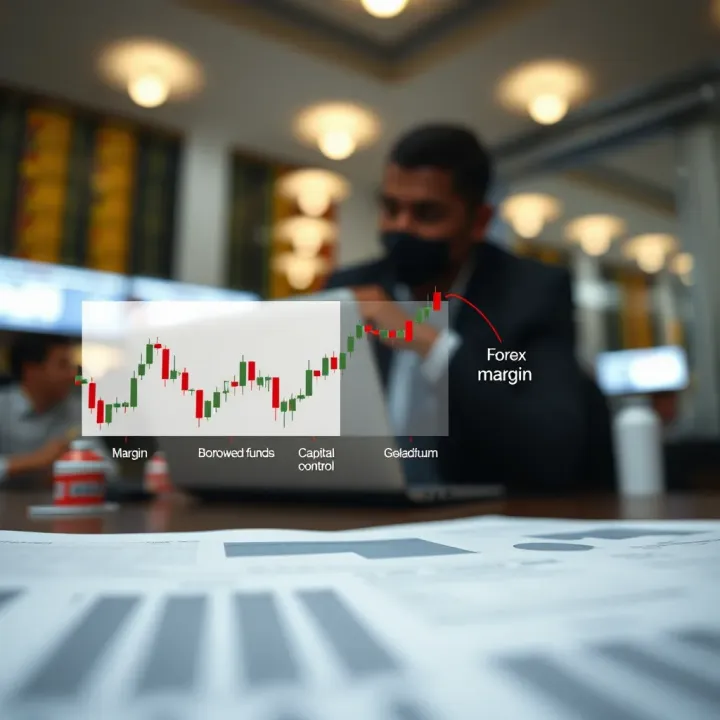
📉 Learn how margin in forex trading helps Kenyan traders control bigger positions with less capital. Understand margin calls, risks, and smart margin management to avoid big losses.
Based on 11 reviews