

Understanding Trading Charts for Kenyan Investors
📈 Master trading charts with this practical guide for Kenyan investors. Learn to read price movements, use key indicators, and avoid common mistakes in local markets.
Edited By
Charlotte Hughes
Online trading has grown rapidly in Kenya thanks to wider internet access and mobile money services like M-Pesa. It lets investors buy and sell financial products such as stocks, forex, commodities, and cryptocurrencies without visiting a physical exchange. Instead, all transactions happen on digital platforms, which are accessible through your computer or mobile device.
For Kenyan investors, online trading opens doors to global markets and opportunities previously out of reach. However, understanding the basics before diving in is key to avoiding pitfalls. This guide breaks down what online trading involves and highlights factors to consider for safer, smarter investing.

Online trading is the act of buying and selling financial assets using internet-based software provided by brokers or trading firms. Unlike traditional trading that requires brokers’ direct involvement, online platforms give users control over when to trade and at what price.
Stocks and Equities: Shares of companies listed on exchanges like the NSE (Nairobi Securities Exchange) or international ones such as the NYSE.
Forex: Currency pairs, such as USD/KES, traded based on exchange rate fluctuations.
Commodities: Gold, oil, and agricultural products.
Cryptocurrencies: Digital currencies like Bitcoin and Ethereum.
Online trading suits many Kenyans because:
Accessibility: No need for physical presence; trade anytime from Nairobi, Mombasa, Eldoret or even rural areas with internet access.
Affordability: Lower fees compared to traditional brokerage services.
Speed: Instant execution of trades helps respond swiftly to market changes.
Note: Although online trading offers real potential, it is not a shortcut to easy wealth. Knowledge and discipline matter more than quick wins.
Before you start trading, note these essentials:
Choose a Regulated Platform: Look for brokers licensed by regulators like the Capital Markets Authority (CMA) to protect your funds.
Understand the Market: Learn about the asset you want to trade; forex requires different skills compared to stocks.
Budget Wisely: Only invest money you can afford to lose.
Practice with Demo Accounts: Most platforms offer simulated trading – use these to build confidence without risking real money.
This foundation helps Kenyan investors approach online trading with better preparation and reduces the chance of costly mistakes. The rest of this guide will cover selecting platforms, managing risks, and navigating Kenya’s specific legalities related to online trading.
Online trading lets investors buy and sell financial assets using the internet instead of traditional physical exchanges or brokers. It opens up access to markets worldwide directly through digital platforms on computers or mobile phones. For Kenyans, this means you can participate in markets like the NSE, New York Stock Exchange, or forex markets from the comfort of your home without needing to visit a brokerage office.
This method of trading is faster and more flexible compared to traditional investing where transactions might take days and often require intermediaries. Online trading platforms provide real-time market data, enabling you to make informed decisions quickly and execute trades instantly. This is especially useful in Kenyan markets where timing can affect profits due to volatility.
Trading financial assets via the internet means conducting all transactions using an online platform. You can buy or sell stocks, currencies, bonds, and commodities through websites or apps that connect you to financial markets globally. In practice, a Kenyan trader could open an account with a regulated broker, fund the account via M-Pesa or bank transfer, and start trading shares or forex pairs without delays caused by paperwork or physical visits.
Difference between online trading and traditional investing lies mainly in speed, control, and access. Traditional investing may involve longer decision cycles and relies heavily on financial advisors or brokers executing orders on your behalf. Online trading gives you direct control over timing and choice of assets, often suitable for short-term strategies like day trading or swing trading. However, traditional investing is generally more passive, focusing on long-term growth through dividends and capital appreciation.
Stocks and shares represent ownership in companies and are the most familiar assets traded online. Buying stocks lets you participate in the success of businesses, such as Safaricom or Equity Bank, through price increases or dividends. Kenyan investors can access local stocks on the NSE or international shares via global brokers, widening investment opportunities.
Forex (foreign exchange) involves trading different currencies against each other. This market operates 24/7 and is the largest financial market globally. For instance, Kenyan traders often focus on pairs like USD/KES or EUR/USD, speculating on currency movements influenced by economic news or government policies. Forex trading requires understanding macroeconomic factors and is popular for its high liquidity and potential short-term gains.
Commodities include goods like gold, oil, coffee, or maize. These are tradable online mainly through contracts for difference (CFDs) or futures. Kenyan investors might trade gold as a hedge against inflation or agricultural commodities reflecting local production and weather patterns. Commodities provide portfolio diversification, as their prices often move differently from stocks or bonds.
Bonds and ETFs (exchange-traded funds) offer more stable investment options. Bonds are essentially loans to governments or companies with fixed interest returns. ETFs bundle various assets into one tradeable unit, allowing you to invest in a mix of stocks or bonds at once. These assets suit investors looking for income and reduced risk compared to stocks.
Order placement and market order execution work simply with online platforms—you decide the asset and quantity, then place an order. Market orders execute instantly at the best available price, while limit orders specify the maximum you’ll pay or minimum you’ll accept, waiting until the price matches your terms. For example, you might place a limit order to buy Safaricom shares at KSh 35 if they’re currently at KSh 37.
Role of brokers and trading platforms is to act as intermediaries and provide the technology for trading. Brokers licensed by the Capital Markets Authority (CMA) ensure your transactions are secure and comply with regulations. Platforms handle real-time price feeds, execute your orders, and often offer tools like market news, charts, and risk management options. Choosing a trusted broker with good platform features is key to smooth online trading experience in Kenya.
Online trading bridges Kenyan investors to the global financial world, offering fast, accessible, and flexible investment options that suit diverse goals and levels of expertise.
Starting out in online trading calls for more than just signing up on a platform. For Kenyans, understanding the fundamentals before risking any capital can save money and prevent unnecessary losses. This section focuses on essential considerations like setting clear financial goals, grasping the costs involved, and knowing the skills needed to trade effectively. A solid foundation helps investors trade more confidently and make smarter decisions.
Knowing whether you want to make quick gains or build wealth steadily is key. Short-term goals might involve trading forex or stocks for daily or weekly profits, which requires active monitoring and a higher risk appetite. For example, some Kenyans may want to earn extra cash within a few weeks to cover school fees. Long-term objectives suit those aiming to grow savings over months or years, such as investing in exchange-traded funds (ETFs) or bonds, which tend to be less volatile.
Clear goals influence your trading style, risk tolerance, and choice of assets. Without this clarity, it's easy to jump into trades that clash with your expectations or financial situation.

Trading shouldn't disrupt your household budget or emergency funds. It's wise to allocate only disposable income—money you can afford to lose without affecting daily life or debt repayments. For instance, if you earn KSh 50,000 a month, committing KSh 5,000 to trading might be reasonable, but risking KSh 20,000 could strain your finances.
Keeping a separate trading account helps track performance and avoids mixing funds. This discipline is especially important for Kenyan investors who might be sending money to relatives or managing school fees alongside trading activities.
Online brokers often require a minimum deposit to start trading. Some platforms allow as little as KSh 1,000, making them accessible to most Kenyans. Others might ask for KSh 20,000 or more, which could be a challenge for beginner traders. It's important to choose a platform with deposit requirements that suit your budget.
Remember, the deposit isn't a fee—it’s your trading capital. Starting small lets you practise strategies and understand the market without big risks.
Costs can eat into profits if not carefully managed. Brokers may charge commissions per trade, fixed fees, or spreads (the difference between buying and selling prices). For example, some platforms have zero commission but wider spreads, meaning you pay more indirectly.
Some also levy fees for withdrawals, inactivity, or currency conversion, especially if dealing with US dollars instead of Kenyan Shillings. Always read the fine print. Knowing the fees upfront helps you calculate the real cost of trading and plan accordingly.
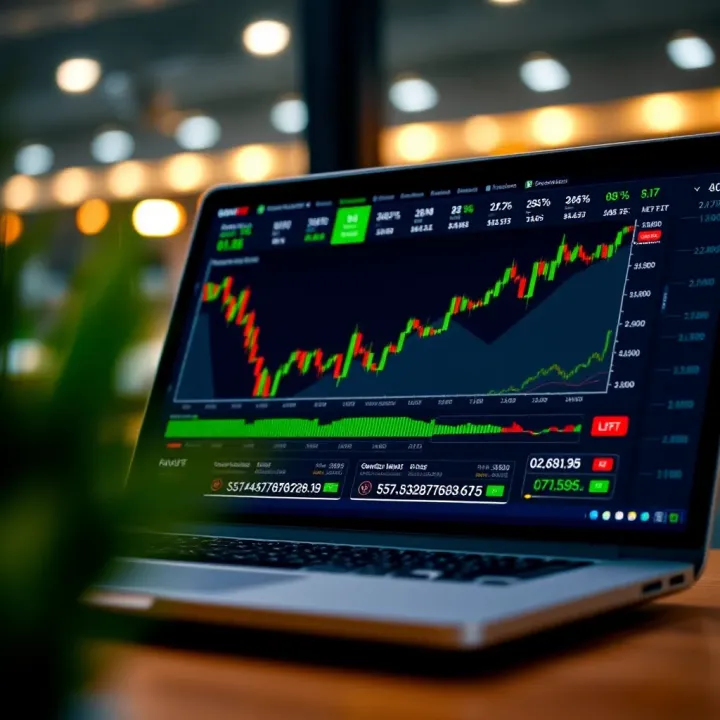
Charts visually display price movements over time. Understanding them is like reading a map for trading routes. For example, knowing how a candlestick chart shows trends or reversals can guide when to buy or sell.
Key indicators like moving averages or the Relative Strength Index (RSI) help spot momentum and potential turning points. Kenyan investors can use freely available tools on platforms like EGM Securities or Olymp Trade to practise interpreting these charts before risking real money.
Fundamental analysis looks at a company’s health or economic factors – say, how a Nairobi-based firm’s profits or Kenya's interest rate changes might influence stock prices. Technical analysis, on the other hand, focuses purely on price data and patterns.
For practical trading, combining both approaches often works best. For example, a trader might use fundamental news about the Central Bank's policy to understand long-term trends and technical charts to find the precise entry and exit points.
Starting online trading without clear goals, an understanding of costs, or basic skills is like sailing without a compass. Taking time up front to prepare reduces the chance of costly mistakes.
Picking the right online trading platform makes a big difference for Kenyan investors. The platform you settle on affects your trading costs, ease of use, access to markets, and how safely your funds are handled. With many options available, including both local and international brokers, it’s worth taking time to compare features carefully. Getting this choice right helps avoid hassles and can boost your confidence when managing investments.
Kenya's Capital Markets Authority (CMA) regulates local brokers to protect investors. When you choose a broker licensed by CMA, you benefit from legal safeguards, periodic audits, and dispute resolution frameworks. This means your funds have added protection compared to unregulated brokers. For example, EGM Securities is a CMA-regulated firm, giving traders peace of mind.
International brokers might not fall under CMA oversight, which could complicate complaint procedures if issues arise. While some international firms have strong reputations elsewhere, Kenyans should confirm CMA licensing for legal security and better recourse options.
Convenience in depositing funds is key, especially in Kenya where M-Pesa dominates mobile payments. Local brokers and some international platforms have integrated M-Pesa, allowing traders to fund accounts directly without costly forex conversions or bank charges. This smooth process reduces barriers to getting started or adding funds.
Besides M-Pesa, look for platforms supporting Kenyan bank transfers, credit/debit cards, or other popular mobile wallets. A platform that accepts KSh directly often improves cost-effectiveness, avoiding exchange rate fees common when dealing in foreign currency accounts.
The trading platform should be easy to navigate, especially since many Kenyan investors use smartphones. A clean, responsive design with simple menus helps you act fast in volatile markets. Platforms like Olymp Trade offer mobile apps with intuitive layouts, real-time price feeds, and simple order placement.
Mobile apps are essential because relying on desktop only limits flexibility. A good app means you can check your positions, deposit funds, or exit trades wherever you are—whether stuck in matatu traffic or at home.
Reliable customer support saves time and frustration. Look for platforms offering local language support or quick response times via phone, chat, or email. Some firms provide dedicated Kenyan account managers for tailored help.
Educational resources matter too. Platforms that offer tutorials, webinars, and updated market analysis help traders build skills and stay informed about local and global market events, boosting chances for sustainable gains.
Different investors have varied interests—from stocks and forex to commodities and ETFs. Choose platforms offering a wide range of assets you want to trade. For instance, if you prefer dealing in Nairobi Securities Exchange (NSE) shares alongside global forex pairs, ensure the broker covers these.
Access to diverse assets also helps with risk management through diversification. Avoid platforms limited to only one asset type as this restricts your investment options.
Most trading platforms require a straightforward registration process involving personal details, proof of identity, and sometimes proof of address to comply with know-your-customer (KYC) rules. Kenyan investors usually upload national IDs or passports and utility bills.
After verification, depositing funds—commonly via M-Pesa or bank transfer—is next. Some platforms allow instant funding, which means you can start trading within hours, while others may take a day or two.
EGM Securities is well-known locally with CMA regulation and accepts M-Pesa deposits. It is reliable for NSE shares but may have limited global asset options. Olymp Trade, an international platform, offers a smooth user experience and a variety of assets but lacks CMA regulation, meaning less local oversight.
Other platforms might offer faster execution speeds or lower fees but may not support M-Pesa. Choosing the right platform depends on what matters more for you—regulatory safety, asset access, or payment methods.
Selecting your trading platform carefully is the foundation for a smooth online trading experience. Consider regulation, payment convenience, user-friendliness, and portfolio options to make the best choice for Kenyan investors.
Online trading offers exciting opportunities, but it carries risks that can lead to losses if not managed well. For Kenyan investors, understanding these risks and learning how to avoid common mistakes can make all the difference in safeguarding capital and growing wealth steadily. This section explores the key aspects of risk management and how to spot potential scams in Kenya's online trading environment.
Market volatility means how much prices of traded assets, such as stocks or forex pairs, fluctuate over time. Several factors influence these price movements, including supply and demand, investor sentiment, and economic indicators. For example, a sudden change in interest rates by the Central Bank of Kenya can cause the Kenyan shilling's value in forex trading to shift sharply. Traders need to be aware that volatile markets can create both profit and loss opportunities quickly.
Local and global events also have a significant impact on markets. Political developments in Kenya, such as elections or county budget announcements, can affect investor confidence and market prices. At the same time, international events like the US Federal Reserve interest rate decisions or changes in oil prices influence global commodity and currency markets. For instance, a surge in global oil prices often raises fuel costs locally, impacting stock prices in related sectors. Kenyans trading online must monitor these events closely and factor their potential effects into trading decisions.
Using stop-loss and take-profit orders helps control losses and lock in gains automatically. A stop-loss order instructs the trading platform to sell an asset when its price hits a set lower limit, preventing further losses if the market moves against you. For instance, if you buy a stock at KSh 100 and set a stop-loss at KSh 90, your position will close if prices fall to 90, limiting loss to KSh 10. Conversely, a take-profit order closes the trade when a desired profit level is reached.
Diversification means spreading your investments across different assets or sectors to reduce overall risk. Instead of putting all KSh 100,000 into a single stock, you might split it between shares, bonds, and forex. This way, poor performance in one asset class might be balanced by gains in another. For Kenyan traders, diversification can involve combining shares traded on the Nairobi Securities Exchange (NSE) with international assets available through global platforms, lowering exposure to local market swings.
Beware of red flags such as promises of guaranteed returns, unusually high profits with little risk, or pressure to deposit huge sums quickly. Some brokerages might claim insider tips or use aggressive marketing to lure inexperienced traders. These warning signs often lead to scams or fraudulent platforms aiming to steal money.
Kenya’s Capital Markets Authority (CMA) regulates brokers and trading platforms to protect investors. Always verify that your broker is licensed by the CMA by checking their official public listings. Legitimate brokers follow strict rules on transparency, client fund protection, and reporting. Trading with unlicensed platforms risks losing your funds without recourse. Staying informed about CMA updates and warnings helps Kenyan traders avoid fraud.
Protecting your investments starts with understanding risks, using practical tools like stop-loss orders, diversifying assets, and dealing only with regulated brokers. This approach gives you a solid foundation to trade confidently in Kenya’s online markets.
Online trading in Kenya is subject to specific legal frameworks and tax regulations that every investor must understand. Knowing these rules protects you from legal trouble and helps you manage your profits efficiently. Being clear on legal and tax requirements also builds trustworthiness in the market, especially when dealing with brokers or platforms.
The Capital Markets Authority (CMA) is the main body regulating online trading activities in Kenya. It ensures that brokers and trading firms follow proper licence procedures and maintain transparency in their operations. For example, CMA approval means a broker must comply with financial reporting and client fund protection rules, reducing chances of fraud.
CMA’s oversight extends to investor education and dispute resolution, so traders have some support when things don’t go as expected. Before trading, always check the CMA’s official list of licensed brokers—trading with an unlicensed entity is risky and illegal.
Kenyan investors need to adhere to CMA guidelines by registering accounts properly and submitting required disclosures like Know Your Customer (KYC) documents. This helps prevent money laundering and ensures that trading is fair and transparent.
Compliance means filing timely reports on transactions when asked, especially if you trade large volumes or manage funds on behalf of others. Brokers typically assist clients with this, but self-traders must be proactive to avoid penalties. Staying updated on CMA notices is useful as regulatory requirements can change.
Trading profits are subject to capital gains tax (CGT) in Kenya, charged at a flat rate of 5%. This applies when you sell assets such as shares or forex contracts for more than you bought them. For instance, if you bought shares from the Nairobi Securities Exchange (NSE) and sold them at a profit, you'll owe CGT on the gains.
It’s important to keep detailed records of purchase prices, sale prices, and associated costs (like broker commissions). These documents help calculate the exact taxable gain. Paying CGT on time avoids unnecessary fines and interest.
All trading income must be reported to the Kenya Revenue Authority (KRA) during your annual tax returns. This includes gains from local and foreign platforms. You should declare capital gains under KRA’s prescribed sections, providing supporting documents when required.
KRA views undeclared trading profits as tax evasion, which can lead to audits or penalties. Many investors use accounting software or consult tax professionals to ensure accurate submissions. Remember, even if you use mobile payment services like M-Pesa to withdraw profits, reporting is mandatory.
Staying on the right side of legal and tax requirements not only safeguards your investments but also makes your trading experience smoother in the long run.
Understanding and respecting Kenya’s regulatory and tax environment will help you trade with confidence, keeping your funds safe and compliant with the law. Always work with licensed brokers and maintain thorough records to navigate this landscape effectively.
📈 Master trading charts with this practical guide for Kenyan investors. Learn to read price movements, use key indicators, and avoid common mistakes in local markets.
Learn how Maven Trading works for Kenyan investors 🇰🇪. Explore account setup, funding via M-Pesa, trading options, risks, and local regulations 📊💼.

📊 Discover how Trade View helps Kenyan investors analyse market trends, access live data & make smart decisions in local and global markets. Learn key features & tips!

📈 Learn how to trade and grow your savings in Kenya. Discover easy market choices, smart platforms, risk tips, and useful tools to start trading wisely today.
Based on 11 reviews